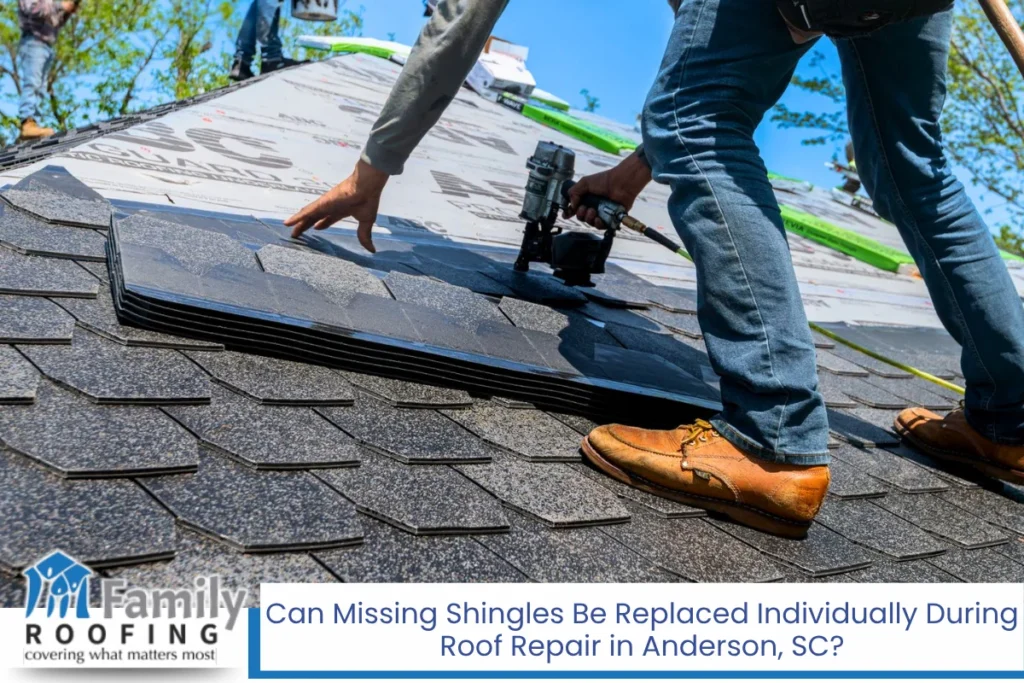
Can Missing Shingles Be Replaced Individually During Roof Repair?
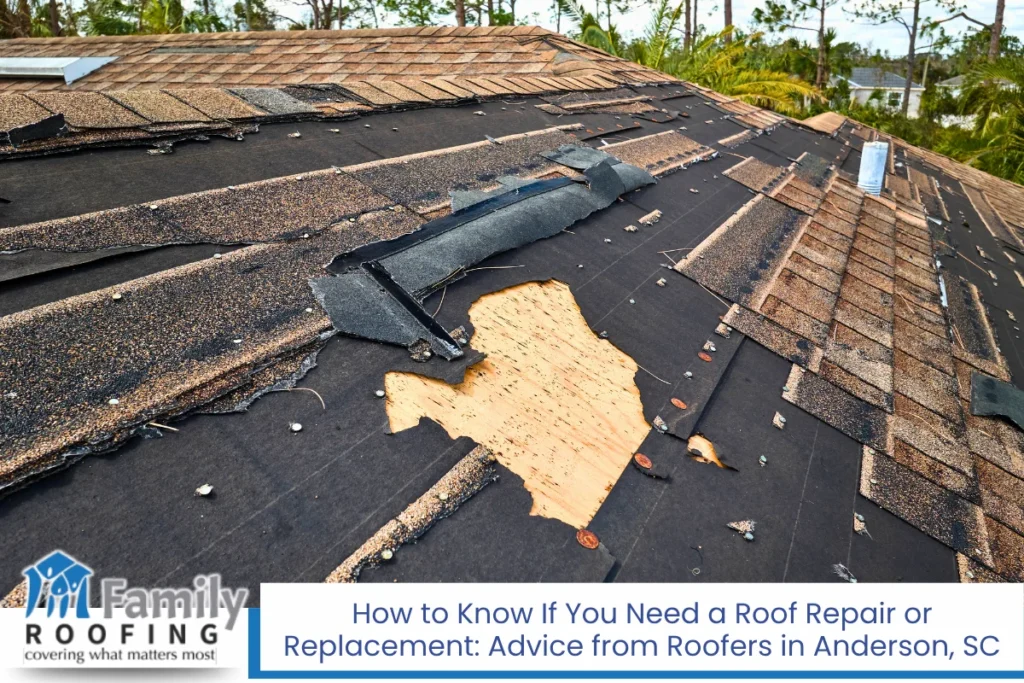
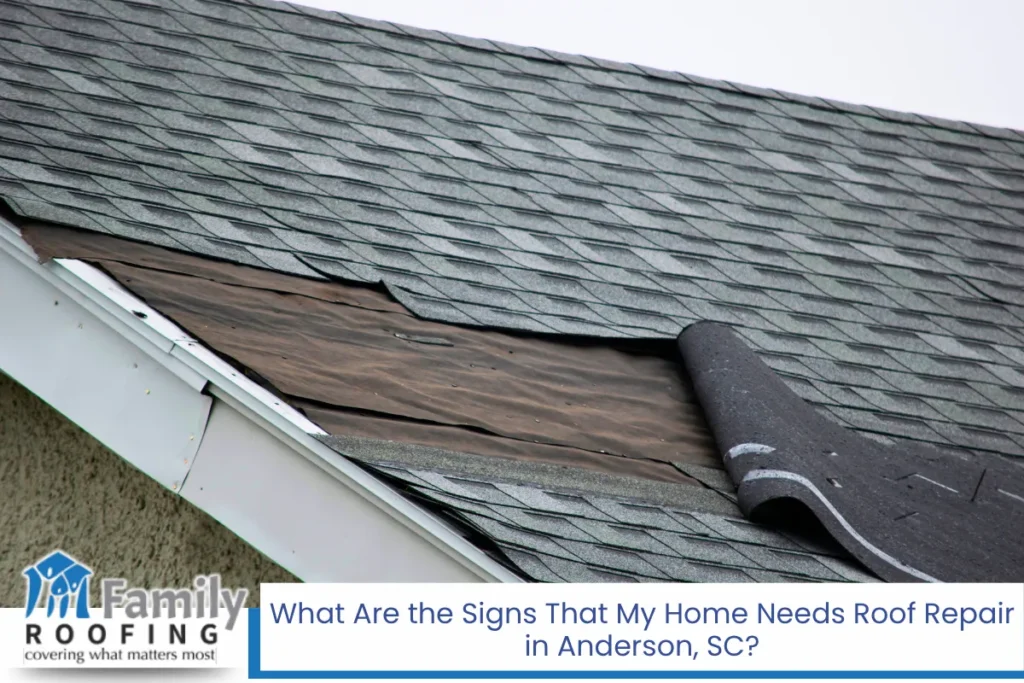
If you need roof repair in Anderson, SC, you have probably looked up at your home and wondered whether those bare spots where shingles used to be really demand a brand-new roof or just a targeted fix. It is a fair question, and ignoring missing shingles can result in costly repairs later when water finds its way under the remaining material. The good news is that localized damage may not require a full roof replacement. When the damage is confined to a small area, the roof decking underneath is dry and solid, and the existing shingles around the gap are still pliable, individual shingle replacement is both practical and code-compliant. However, if your roof shows widespread curling, cracking, or soft decking, spot repairs become risky and may violate manufacturer installation recommendations. Anderson’s hot summers, humidity, and severe thunderstorms can turn a few missing shingles into a symptom of deeper aging or storm damage. The sections below walk through assessment criteria, local codes, insurance considerations, and how a professional roofing contractor evaluates the best path forward.
Key Takeaways
- Individual shingles can be replaced without replacing the entire roof, but only when the surrounding shingles are still flexible, the roof deck is solid, and local code and manufacturer guidelines are followed.
- Widespread damage, brittle old shingles, or repeated storm issues usually make a complete roof replacement safer and more cost-effective in the long run.
- Anderson, SC homes must follow the adopted 2021 International Residential Code and manufacturer installation specifications for any roof repairs.
- Homeowners insurance often covers storm-related missing shingles, but policies typically exclude wear-and-tear or deferred maintenance, and replacing a few shingles may cost less than your insurance deductible.
- A professional inspection can help determine if a simple repair will suffice or if a full replacement is the smarter investment. Schedule one before making any decisions.
What Causes Missing Shingles on Anderson, SC Roofs?
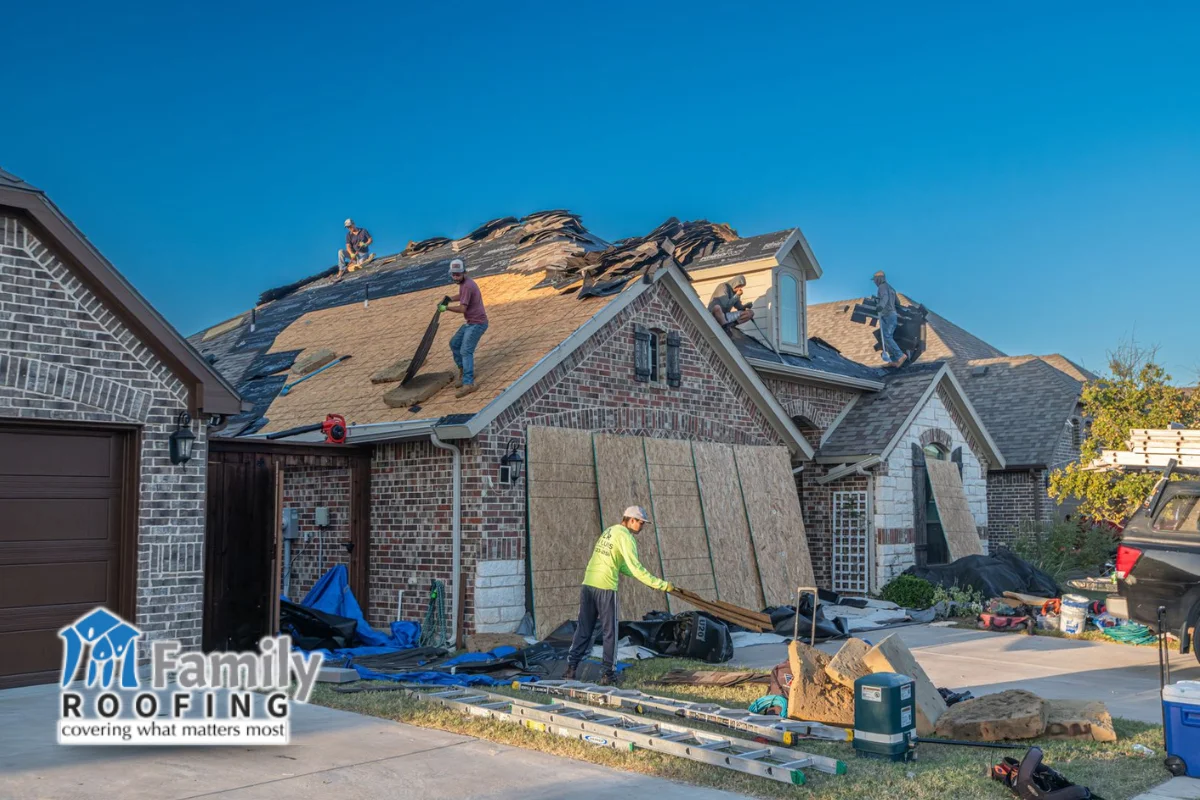
High winds and severe thunderstorms are common in Anderson, SC, and they are the most frequent reason shingles go missing. Wind uplift peels back tabs, hail cracks surfaces, and thermal expansion loosens fasteners over years of seasonal cycling. Beyond storms, long-term UV exposure makes asphalt shingles brittle, which increases the chance they will snap off during even moderate gusts. Asphalt shingles become brittle in cold weather and overly pliable in extreme heat, compressing the window of time when they can absorb impacts without damage.
Common causes include:
- A few missing shingles after a thunderstorm or sustained wind event
- Nail pull-through and adhesive strip failure on older or improperly fastened roofs
- Gradual UV degradation causing old shingles to lose flexibility and crack
- Aging beyond the typical service life, since asphalt shingle roofs last between 20 and 30 years depending on the product and local weather conditions
Metal roofing responds differently to these forces. Panel fasteners and seams are the vulnerable points rather than individual pieces, so damage patterns look very different on a metal system. Missing shingles also compromise surrounding roof areas because the overlapping design relies on every piece staying in place. Homes in upstate South Carolina built before the mid-2000s may already have shingles past their expected life span, which means a blown-off tab could signal a larger aging problem rather than an isolated event.
Understanding the root cause matters because it shapes whether individual shingle replacement is a lasting solution or a temporary fix for a damaged roof that needs more attention.
When Is It Safe to Replace a Few Missing Shingles Only?
Under the right conditions, replacing a few shingles is a practical and code-compliant solution that avoids the cost and disruption of tearing off an entire roof. Here are the conditions where localized repairs typically make sense:
- The roof is relatively young, generally under 15 years for standard three-tab asphalt shingles or under 20 to 25 years for architectural asphalt shingles in the Anderson climate.
- Damage is confined to a small area, and the rest of the roof looks uniform with no widespread curling or granule loss.
- Surrounding shingles are still flexible and do not crack when carefully lifted. Older shingles may crack when lifted for replacement, complicating repairs significantly.
- The roof deck underneath is dry, structurally sound, and free of soft spots. It is important to check for hidden water damage beneath missing shingles before closing the area back up.
Residential roofing manufacturers generally allow localized repairs as long as their nailing patterns, fastener specifications, and sealing instructions are followed. Small areas of storm damage on otherwise healthy roofs are the most common candidates for this kind of work. The quality of shingles and adherence to manufacturer warranties can affect how well the repair holds up over time, so matching the performance rating of the existing shingles matters.
A qualified roofer should always verify there is no hidden moisture intrusion under the few shingles being replaced. Surface-level fixes over a rotting deck just delay a bigger problem.
Warning Signs You Need More Than Just a Few Replacement Shingles
Visible missing shingles can be a symptom of widespread roof failure that simple patching will not address. Missing shingles can lead to roof leaks, and water intrusion can damage insulation and interior spaces if the underlying issues go unresolved. Missing or curling shingles indicate potential roof damage that goes beyond a single bare spot.
Watch for these common signs that point toward a full replacement rather than spot repairs:
- Multiple slopes or large sections with lifted, curling, or cracked shingles
- Granule loss exposing black asphalt or fiberglass mat across broad visible areas, and excessive shingle granules collecting in gutters signal roof deterioration
- Water stains on ceilings suggest leaks in the roof, along with recurrent leaks inside or damp attic insulation
- Sagging rooflines indicate serious structural issues that patching cannot address
- Fresh damp spots in the attic reveal active leaks that need immediate attention
When a large percentage of old shingles are damaged, manufacturers and many insurance company policies lean toward full roof replacement rather than piecemeal fixes. Repeatedly patching an old roof can void remaining warranty coverage and may end up costing more over three to five years than a one-time replacement. Structural damage beneath the surface, structural repairs to the deck, and hidden moisture all add complexity that a few new tabs cannot solve.
Safety and structural integrity always take priority over saving a few dollars with minimal repairs.
Read Does Homeowners Insurance Cover Roof Repair in Anderson, SC?
How Anderson, SC Codes and Manufacturer Rules Impact Shingle Repairs
All roofing work in Anderson must comply with local building codes and shingle manufacturer instructions. Residential construction in Anderson is governed by the 2021 South Carolina Residential Code (SCRC), which adopts the 2021 International Residential Code (IRC) with state-specific modifications. Under the IRC, a recovery or overlay is not allowed where two or more layers of roof covering already exist, or where existing materials are water-soaked or deteriorated to the point they cannot serve as an adequate base.
Key code and manufacturer considerations:
- Repairs must restore the roof to a weather-resistant condition, not just cover a cosmetic gap. Proper flashing, drip edges, and underlayment are typically required when sections of shingles are replaced.
- Replacement shingles should carry wind resistance ratings that meet or exceed the design wind speed for the area, verified through ASTM D7158 or ASTM D3161 testing classifications.
- Permits for small roof repairs are generally not required in Anderson, SC, but larger projects affecting roof structure may need a permit from the building department.
- Code enforcement can request documentation that repair materials meet or exceed the original roof’s performance level.
Hiring roofing contractors who understand local codes and manufacturer specifications protects you from future compliance issues. A repair done with the wrong fasteners, wrong wind-rated shingles, or missing underlayment can create legal, insurance, and performance problems down the road.
Matching New Shingles to Old Shingles: Appearance vs. Performance
Perfectly matching replacement shingles to an existing roof is often more difficult than SC homeowners expect, especially on older roofs where the original product has been exposed to years of sun and rain. Asphalt shingles weather and fade over time when exposed to sunlight, so a fresh bundle pulled from a supplier will almost always look darker or more vibrant than the weathered shingles already on your roof.
Other matching challenges include:
- Discontinued shingle lines or colors, forcing a near-match rather than an exact match
- Texture and profile differences between older products and newer manufacturing generations
- Slight variations in granule size and distribution even within the same product family
Local codes and most homeowners insurance policies focus on using comparable quality roofing materials rather than identical color. Mismatched shingles can reduce curb appeal and resale value, and this is most noticeable near the front of the home where buyers and appraisers look first.
A practical tip: whenever you have a new roof installation, save a bundle or two of matching shingles in a dry storage area. Having those on hand makes future small repairs blend in far better than hunting for a close match years later.
Costs, Insurance Claims, and Paying for a Few Missing Shingles
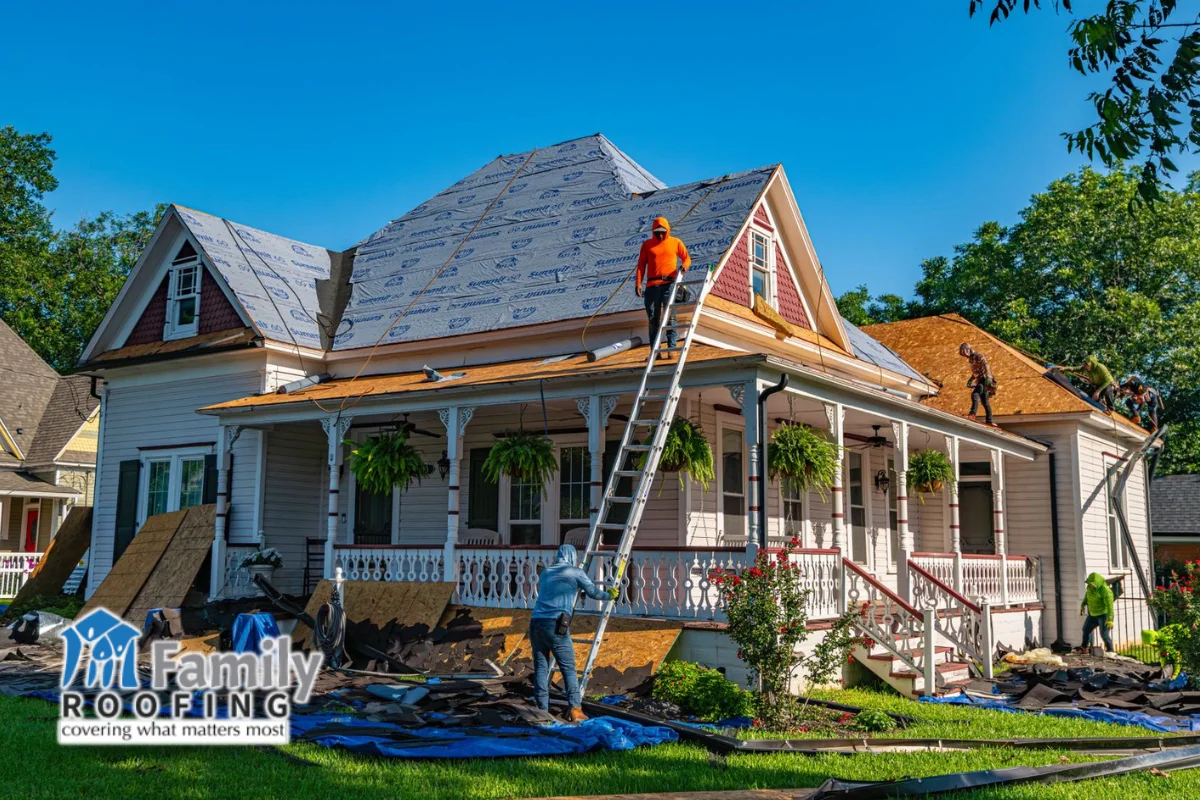
Replacing a few shingles usually costs far less than a full roof replacement, but that does not always mean filing an insurance claim is the right move.
Cost factors for potential repairs include roof pitch, height, access difficulty, and the extent of damage. Replacing a few shingles may cost less than your insurance deductible, which means many homeowners pay small roofing repair bills out of pocket. Filing a claim for a minor fix can sometimes raise future premiums without providing meaningful financial benefit.
When storm damage is more widespread, an insurance claim may be justified. Here is what to know about the claims process:
- Homeowners insurance often covers storm-related roof damage, but policies generally exclude normal wear-and-tear or deferred maintenance.
- Insurance may require documentation for roof damage claims, including photos, written inspection reports, and contractor estimates. Documentation helps homeowners navigate the claims process more smoothly.
- Insurance coverage generally requires replacement with materials of like kind and quality. However, matching issues (such as discontinued shingle lines or severe discoloration) may complicate repairs and are evaluated based on specific policy terms.
- Insurance claims may not cover costs below your deductible, and many policies in South Carolina apply percentage-based wind or hail deductibles.
- The difference between actual cash value and replacement cost coverage matters significantly on an old roof. ACV policies subtract depreciation, which can drastically reduce the payout on aging asphalt shingles.
A licensed roofing contractor can provide an independent estimate and structural assessment to help you weigh repair versus replacement costs before you file an insurance claim. Document damage with photos immediately after any storm event so you have evidence if the situation worsens.
How Professional Roofers Replace Individual Asphalt Shingles
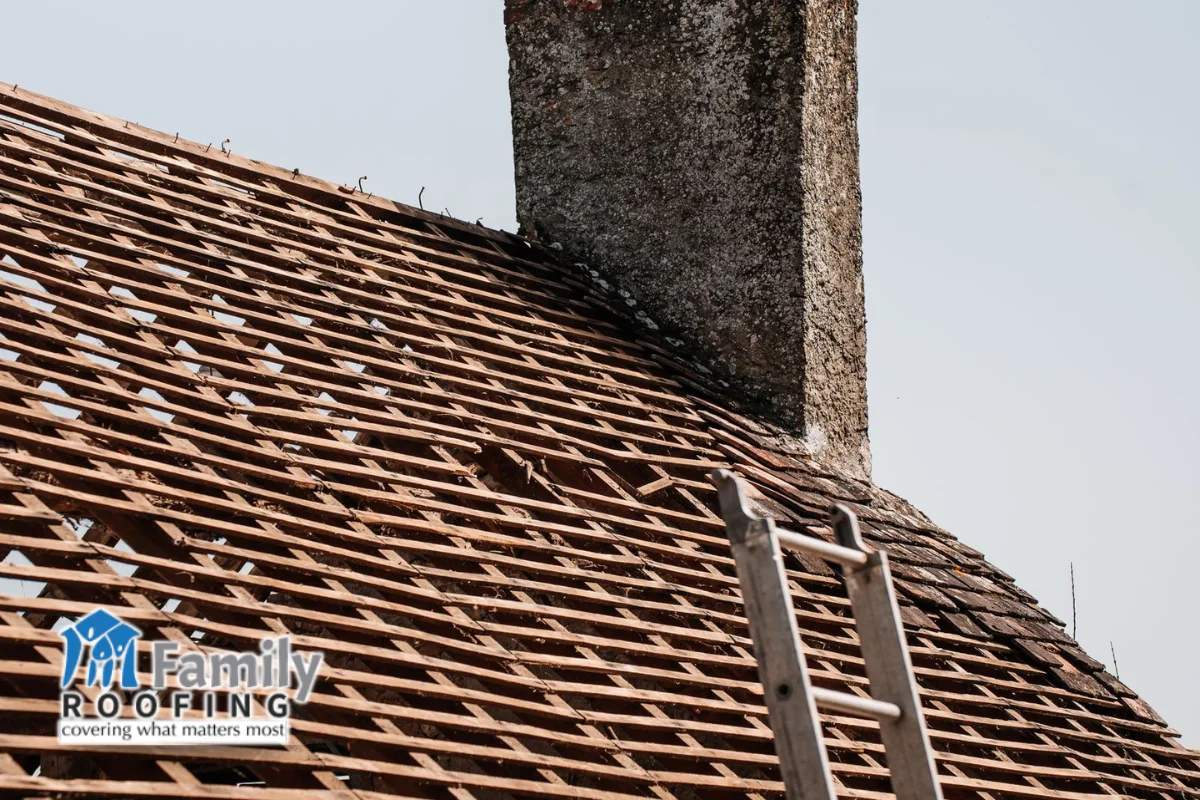
While homeowners can learn how the process works, working at height is dangerous, and repairs should be handled by trained roofing professionals with proper fall protection. Replacing asphalt shingles can be completed in seven steps, and a qualified crew can typically finish a small patch in a matter of hours.
Here is the general process:
- Inspect the roof surface and attic below the missing shingles to identify the full scope of damage
- Carefully break the adhesive seal and lift surrounding shingles without cracking them
- Remove all the nails from the damaged area without tearing nearby shingles or puncturing the roof decking
- Inspect the roof deck for rot and moisture during replacement of shingles, repairing any soft spots before proceeding
- Slide in new shingles cut to size, properly nailing per manufacturer guidelines with correct fastener type and placement
- Reseal tabs to resist Anderson’s wind and heavy rain, since proper sealing is critical for the longevity of replacement shingles
- Perform a final check of flashing, underlayment, and surrounding work area
The ideal temperature range for replacing asphalt shingles is between 45 degrees and 85 degrees Fahrenheit. Outside that window, adhesive strips may not bond correctly, and shingles can be too brittle or too soft to handle properly. Proper fastening during shingle replacement is essential to prevent wind damage and future blow-offs in the same spot.
Professional roofers check flashing, underlayment, and deck condition while the area is open, not just swap shingles and leave. Quality workmanship during even a small repair prevents callbacks and protects against leaks inside your home when the next round of storms rolls through.
Choosing Between Roof Repair and Full Roof Replacement in Anderson, SC
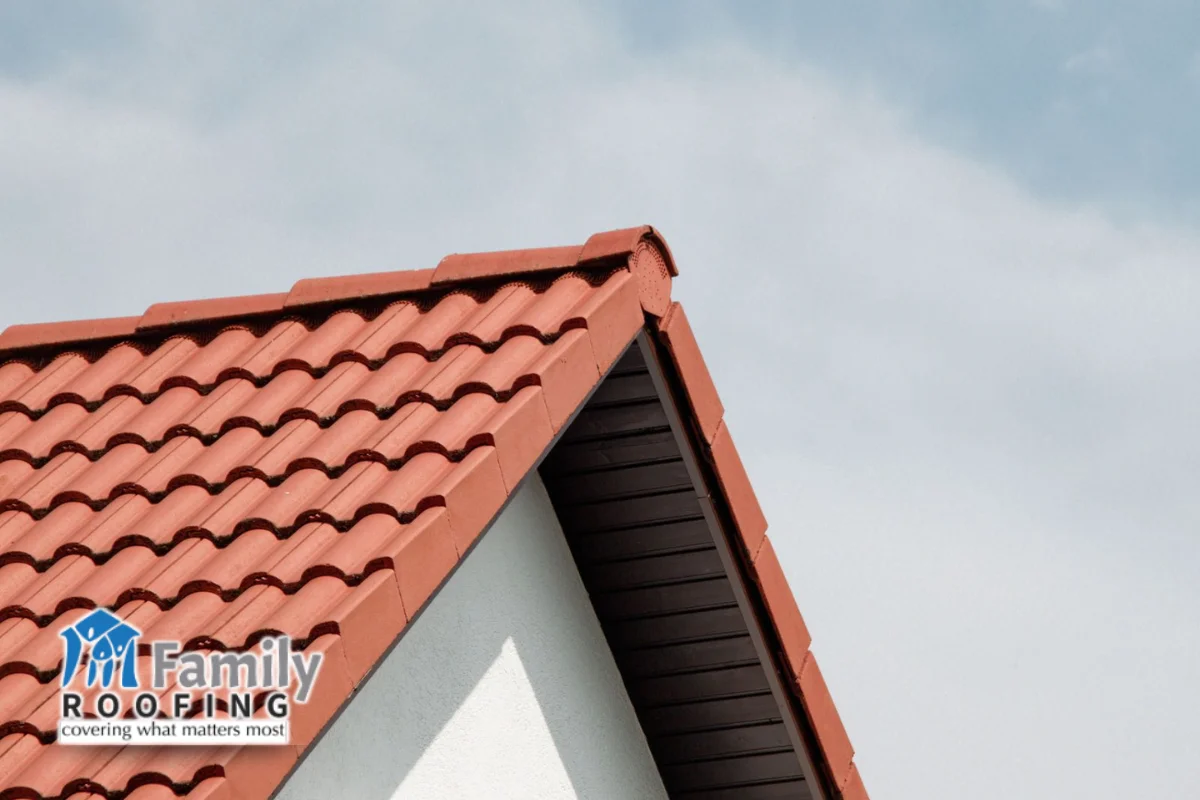
Missing shingles are just one of several factors a roofing contractor considers when recommending repair or replacement. The decision comes down to a handful of practical questions:
- How much remaining service life does the existing roof have? If your roof is within a few years of its expected end, a full replacement is usually the better long-term investment. Architectural asphalt shingles in the Anderson area typically last 22 to 28 years, while three-tab products often reach 15 to 18 years before they need to come off.
- How often have you called for roof repairs in the last three to five years? Accelerating repair frequency is a reliable signal that the whole roof is failing.
- Has a roof inspection revealed moisture, mold, or structural issues in the attic or roof decking? These problems do not resolve with surface patches.
- Are you planning to sell the home soon? A new roof can significantly boost appraisal value and buyer confidence, while a patched roof raises questions.
Most residential roof replacements take one to three days, depending on size and complexity, so the disruption is shorter than many homeowners expect. For some homeowners, incremental patching is acceptable when budget is tight and the roof is still fundamentally sound. But temporary fixes should not become a long-term strategy on a roof that has already exceeded its useful life. Energy bills can also climb when a deteriorating roof allows heat transfer and moisture buildup in the attic.
Get at least one thorough professional inspection and a written estimate from a reputable roofing service before making a decision. Many homeowners find that seeing the numbers side by side, repair cost versus replacement cost, makes the choice much clearer.
Roof Repair in Anderson, SC – Call Family Roofing
We are Family Roofing, and we have been helping homeowners across Anderson, SC and the surrounding upstate area with honest, dependable roofing services for years. Whether you have a few missing shingles after a storm or you are facing a decision between localized repairs and a complete roof replacement, we are here to give you a straight answer. We inspect asphalt shingle roofs and metal roofing systems with careful documentation that supports homeowners insurance claims when storms cause damage. We follow local building codes and manufacturer guidelines on every project because cutting corners helps no one. Our goal is to protect your home and your budget, not to oversell work you do not need. We offer free inspections so you can make an informed decision without pressure. Call us at (864) 261-0841 or fill out our online contact form to schedule your roof inspection today. We handle residential roofing and commercial roofing projects across Anderson and the surrounding areas.
Frequently Asked Questions
How Quickly Should I Replace Missing Shingles After a Storm in Anderson, SC?
Address missing shingles as soon as safely possible, ideally within a few days of the storm. Exposed underlayment or roof decking can absorb moisture during the next heavy rain, leading to rot, mold growth, or leaks inside your home. Do not climb onto a wet or storm-damaged roof yourself. Instead, arrange a professional inspection and request emergency tarping if the exposed area is large. Document damage promptly with photos and written notes, as this evidence strengthens any insurance claim you may need to file later. Quick action almost always results in smaller, less expensive repairs and reduces the chance that localized damage escalates into a need for a whole roof tear-off. Post storm inspections are one of the most cost-effective steps you can take.
Can One Missing Shingle Really Cause a Roof Leak?
Yes, even a single missing shingle can lead to water getting under adjacent shingles, particularly during wind-driven rain that is common with Anderson’s summer storms. The shingle system works as overlapping layers, and removing one piece exposes nails, joints, and underlayment to direct water contact. Roof leaks from a single missing shingle might not show up immediately on your ceiling. Moisture can travel along decking or rafters before eventually staining drywall in a completely different spot. If you notice a bare patch, do a visual check from the ground and, when safe, inspect the attic after heavy rain for any fresh damp spots. Treat even small areas of visible damage seriously and have them evaluated before the next storm.
Do I Need to Be Home While Roofers Replace a Few Shingles?
You do not usually need to be home during small shingle repairs, but being present at the start or end of the job is helpful. Meet the crew leader beforehand to review access points, gate locks, pets, and any concerns about landscaping or outdoor furniture near the work area. Reputable roofers will protect the property below the repair zone from falling debris and perform a basic cleanup when the work is finished. After the job, walk the property with the contractor to review what was done and ask any questions. Payment, repair photos, and warranty information can all be handled electronically if your schedule does not allow you to be on site. Regular maintenance visits follow a similar process.
How Do Seasonal Roof Inspections Help Prevent Missing Shingles?
Routine spring and fall inspections allow roofers to find loose, lifted, or cracked shingles before they blow off during a storm. Professional inspections are recommended every three to five years at a minimum, though regular inspections after significant weather events are also wise. During these visits, a roofer checks nail placement, seal strips, flashing, and sealant around penetrations where early signs of leaks can begin. Keeping tree branches trimmed and gutters clear also reduces wind turbulence and standing water that stress shingles over time. Proactive regular maintenance extends your roof’s useful life and cuts down on emergency roofing repair calls after severe weather conditions hit the area.
Are There Upgrades That Reduce the Chance of Shingles Blowing Off Again?
When replacing missing or damaged shingles, ask your roofing contractor about higher-performance products with better wind ratings. Shingles tested under ASTM D7158 carry class ratings that correspond to increasing wind speed resistance, and upgrading to a higher class can make a meaningful difference during future storms. Using the correct number of nails, placing them in manufacturer-specified locations, and applying enhanced starter strips at eaves and rakes all improve wind uplift resistance. Proper attic ventilation with balanced intake and exhaust reduces heat buildup that prematurely ages roofing materials from below. While no roof is storm-proof, thoughtful upgrades during even a small repair can reduce the likelihood of future shingle loss and extend the service life of your existing roof.
Disclaimer: This article provides general information about roof repairs and missing shingles in Anderson, SC. It is not a substitute for advice from a licensed roofing contractor, insurance professional, or legal expert familiar with your specific property and circumstances.
Read Can a Leaking Roof Be Repaired Without Replacing It? Ask Local Pros for Roof Repair in Anderson, SC