Roof repair in Anderson, SC is something many homeowners put off until a drip lands on the living room floor. The problem is that Upstate South Carolina weather does not wait for convenient timing. Heavy rain, summer thunderstorms, intense UV exposure, and occasional hail events chip away at roofing material year after year, often causing damage you cannot see from the ground. A few lifted shingles or a hairline crack in flashing may seem minor, but left unchecked, these small issues invite moisture into the attic, insulation, and framing. Ignoring small roof issues can lead to major structural damage, mold, and repair costs that dwarf what a timely fix would have required. The solution is straightforward: learn the early signs of trouble and call a qualified roofing contractor for a detailed inspection before the next storm rolls in. The sections below walk you through exactly what to look for, inside and out.
Key Takeaways
- Missing or damaged shingles, curling edges, and granules collecting in gutters are among the most common signs that your roof needs attention.
- Water stains on ceilings, mold growth in the attic, and sudden spikes in energy bills often point to leaks or moisture issues that start at the roof.
- Sagging rooflines, soft decking, and separated fascia boards are structural red flags that demand immediate professional evaluation.
- Anderson, SC building codes require permits for roof replacement and significant repairs, and contractors must be properly licensed in South Carolina.
- Scheduling a professional inspection at least once a year, and after every severe storm, is the most reliable way to determine whether you need a targeted repair or a full roof replacement.
Visible Exterior Signs Your Roof May Be Failing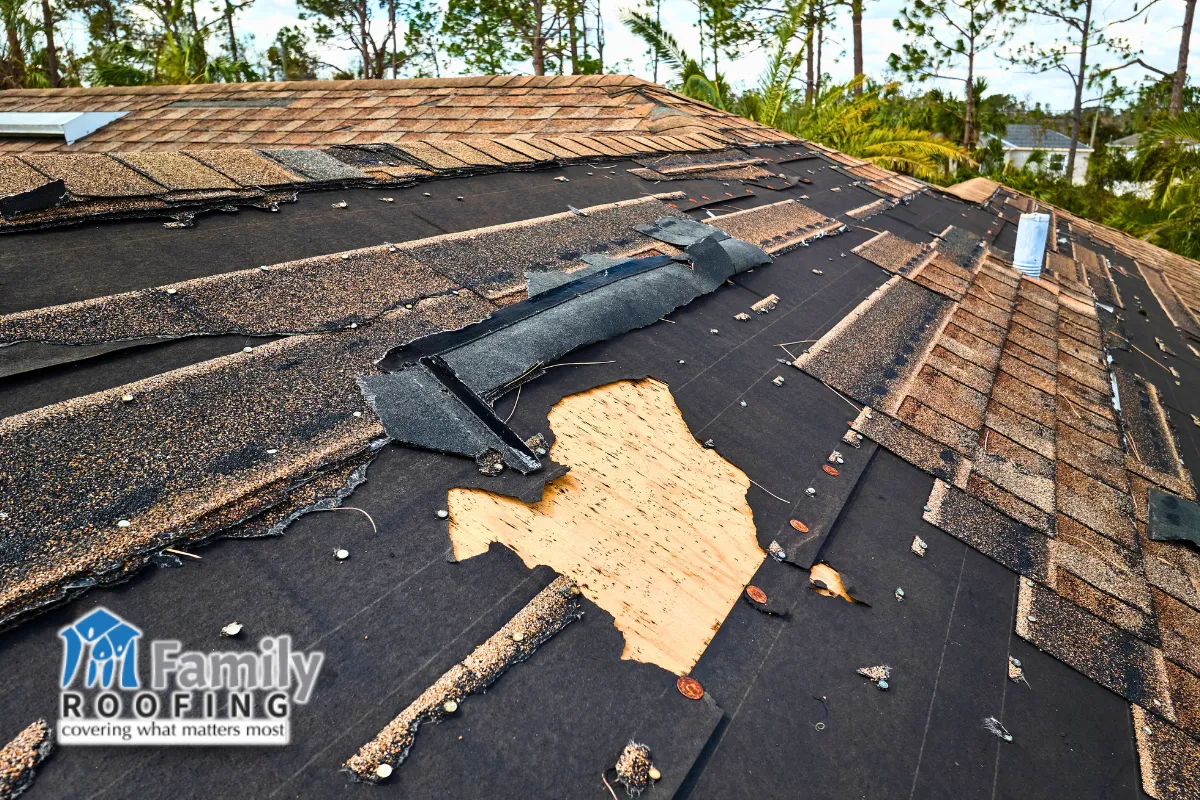
Many roof problems in Anderson start right on the surface, where sun, wind, and storms hit first. You do not need to climb a ladder to spot trouble. A slow walk around the perimeter of your home with a pair of binoculars can reveal a surprising amount of visible damage.
Here are the exterior indicators to watch for:
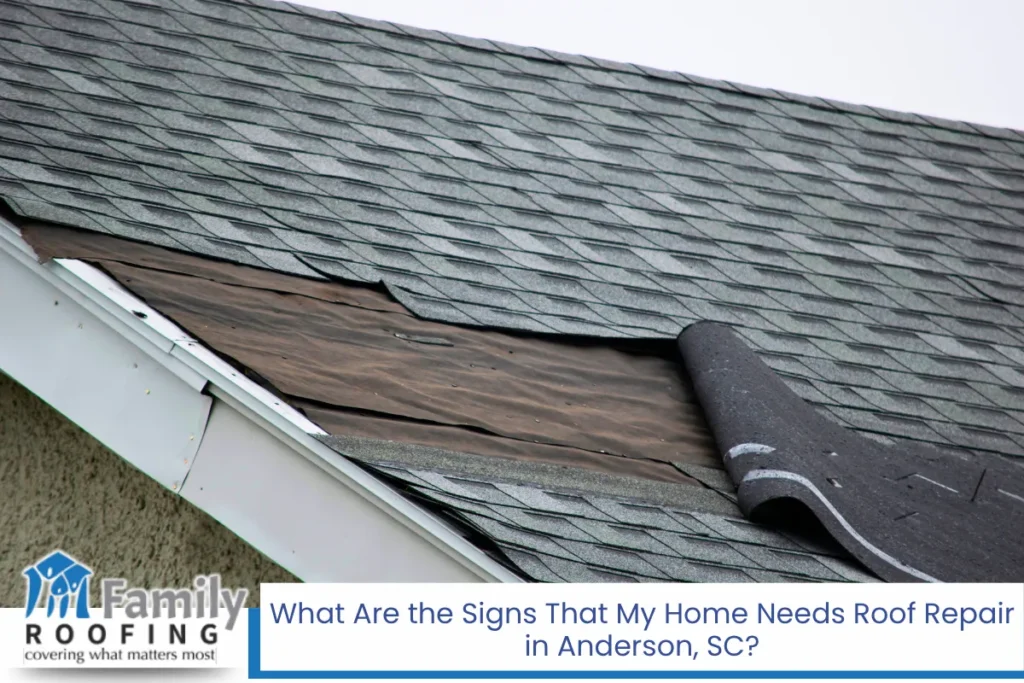
- Missing shingles or displaced tabs, especially after thunderstorms. Missing or damaged shingles can lead to water leaks that reach the interior within one or two rain events.
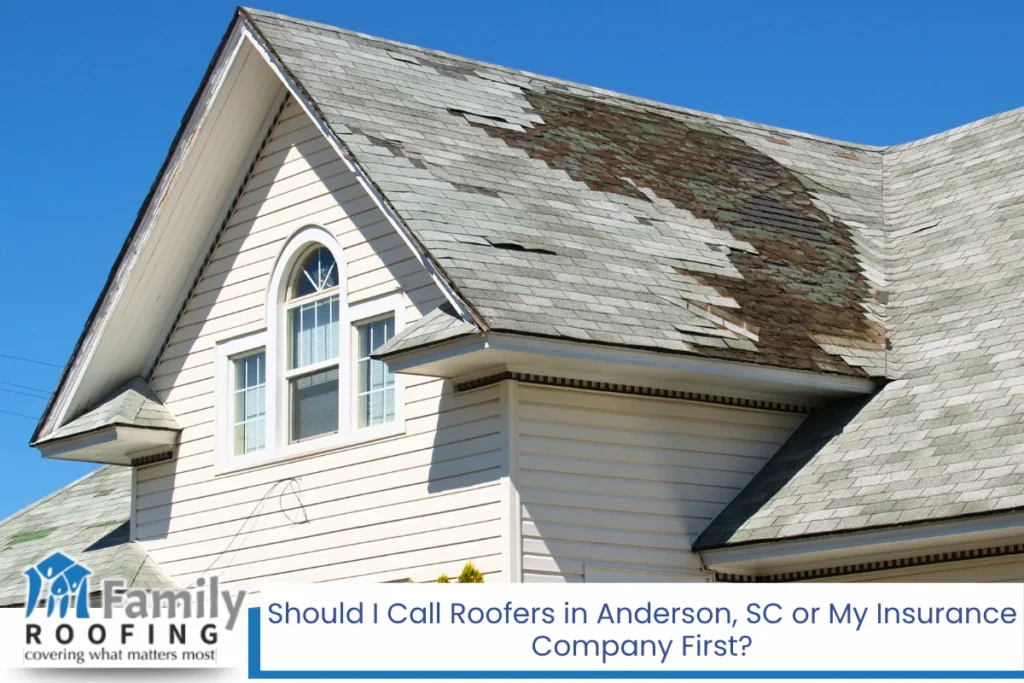
- Cracked, curled, or buckled shingles. UV radiation and heat cycling break down asphalt over time, particularly on south- and west-facing slopes where sun exposure is greatest.
- Granules collecting in gutters or pooling at downspout exits. This is one of the clearest signals that asphalt shingles are nearing the end of their service life. Once that protective granule layer is gone, the underlying mat deteriorates quickly.
- Rusted, bent, or loose flashing around chimneys, skylights, and pipe boots. Metal flashing around chimneys and vents can become damaged and allow leaks, often after a single storm event shifts the material just enough to break its seal.
- For homes with metal roofing, look for early corrosion on fastener heads, panel movement at seams, or loose screws along edges.
When surface defects are isolated to one small area, a targeted repair may solve the problem. Widespread issues across multiple slopes usually signal that the roof needs a more extensive plan or a full replacement conversation.
Interior Warning Signs: What Your Attic and Ceilings Reveal
Inspecting the inside of your home often catches roof trouble earlier than looking at the exterior. The attic and upper ceilings act as an early warning system for moisture that has already penetrated the roofing material above.
Key interior indicators include:
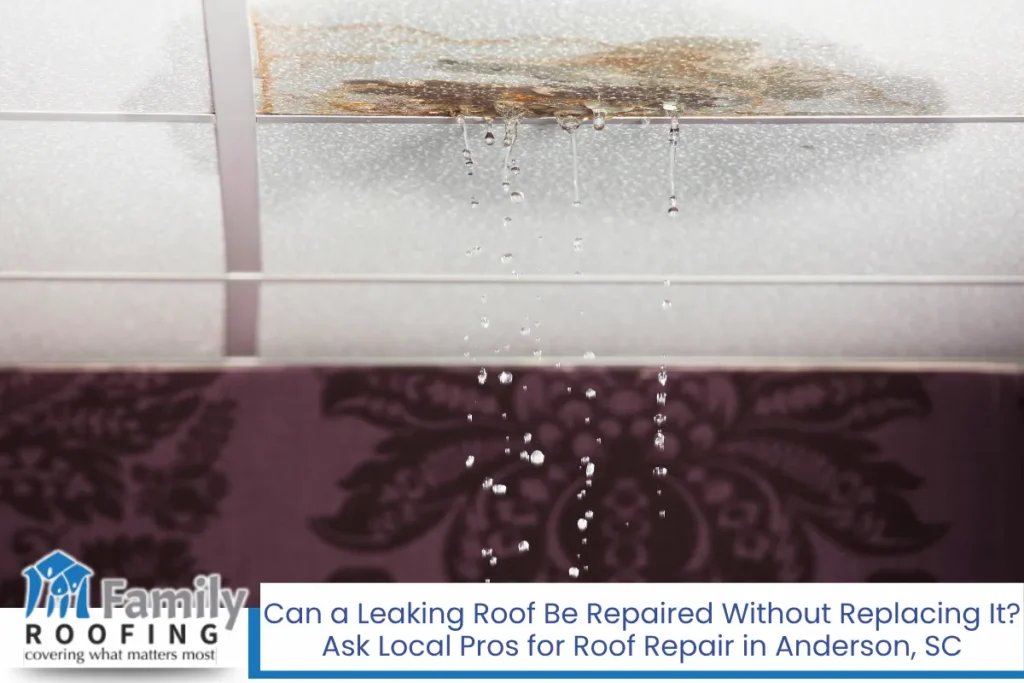
- Water stains or brown rings on ceilings and upper walls. Water stains on ceilings indicate roof leaks, even if they dry between rainfalls and seem to disappear.
- Peeling paint, bubbling drywall, or swollen trim around windows. These are signs of chronic moisture finding its way behind wall surfaces over weeks or months.
- Musty odors, visible mildew on rafters, or mold spots on insulation. Moisture in the attic can lead to mold growth and wood deterioration, and Anderson’s humidity accelerates this process considerably. Mold growth on ceilings also signals potential roof leaks that may not yet be obvious from outside.
- Daylight visible through the roof deck when you stand in the attic. Daylight visible in the attic suggests gaps in the roof’s exterior, and this is an urgent structural concern rather than a cosmetic one.
- Unexpected spikes in your cooling or heating bills. Higher energy bills can result from damaged roofs allowing conditioned air to escape through compromised decking or saturated insulation.
After heavy rain or hail, take a flashlight into the attic and look for fresh damp spots or active drips. Catching leaks inside at this stage is far less expensive than addressing the water damage they cause over time.
Structural Red Flags: Sagging, Soft Spots, and Roofline Changes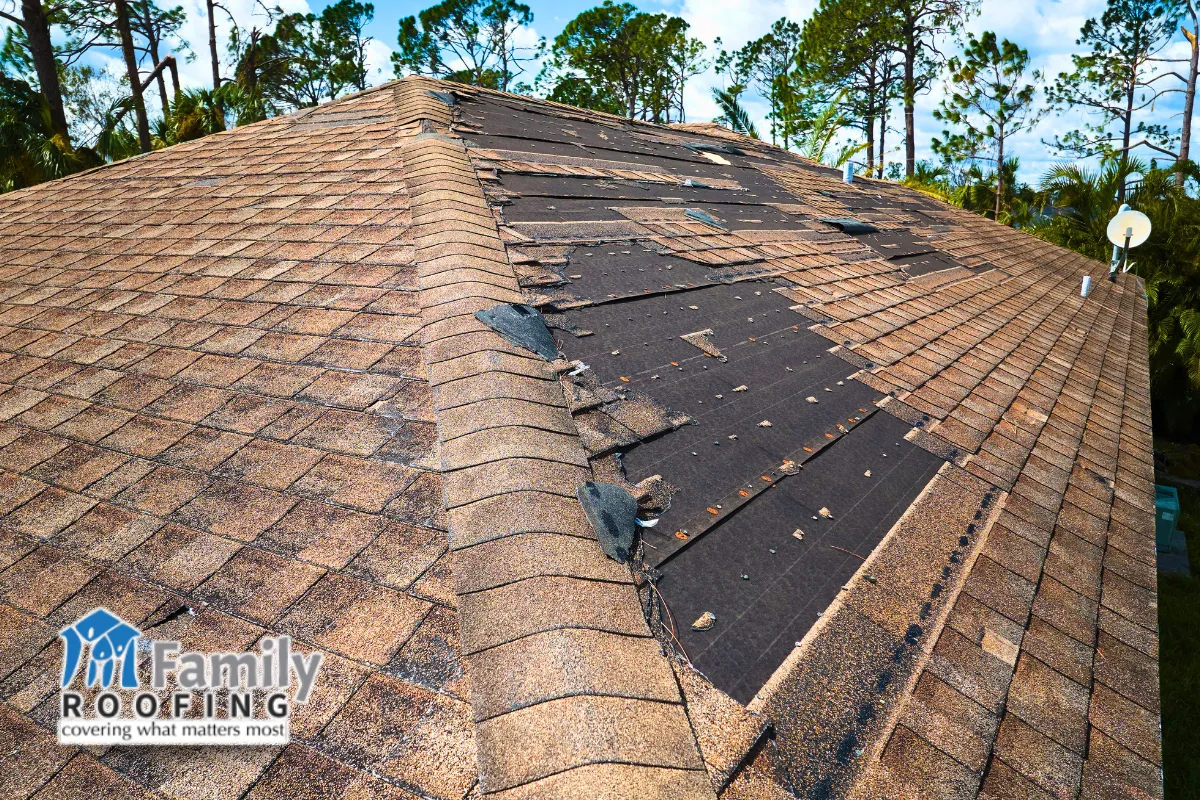
Any change in your roof’s shape or stiffness is a serious safety concern. Structural movement means the framing, sheathing, or support members underneath the shingles or panels are no longer performing as they should.
Watch for these conditions:
- A sagging ridge line, dips between rafters, or visible waves across the roof surface. Sagging roofs may indicate structural issues caused by long-term moisture exposure, insect damage, or compromised framing.
- Soft or spongy areas underfoot when walking in the attic. If decking flexes noticeably, water has likely saturated the boards or the plywood beneath them, and collapse becomes a real possibility.
- Fascia boards pulling away from the roofline, soffit panels showing rot, or gutters separating from their mounting points. These external clues often trace back to water that has been running behind the roofing system for an extended period.
When sagging or rot reaches this extent, the project typically moves beyond a minor repair. A roofing contractor experienced with structural corrective work or a new roof installation should evaluate the situation promptly to protect both the home and anyone inside it.
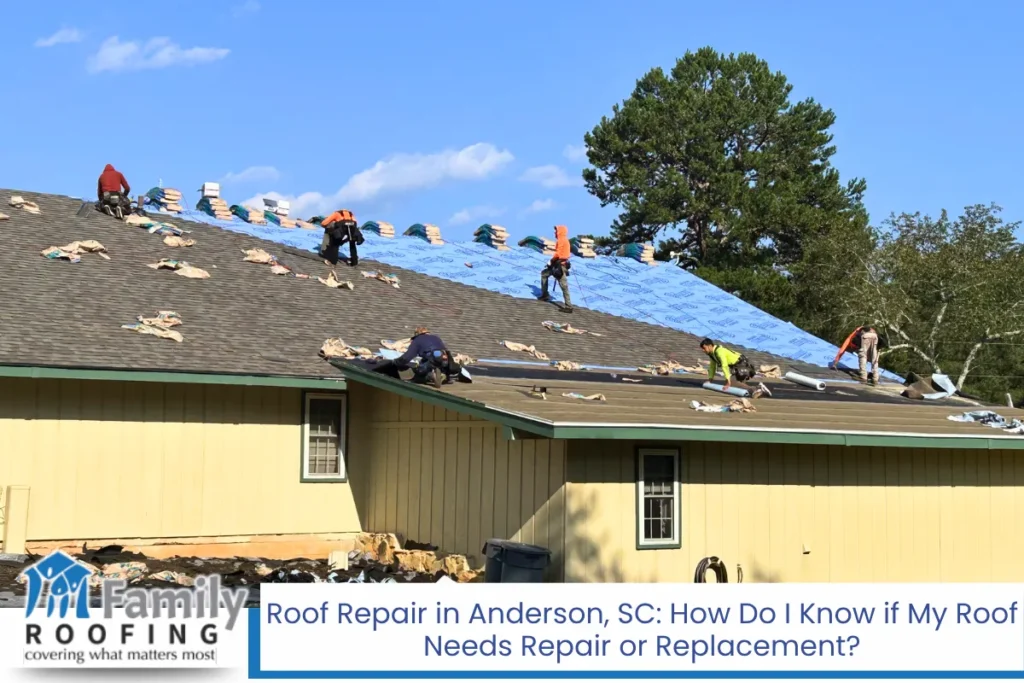
Read Roof Repair in Anderson, SC: How Do I Know if My Roof Needs Repair or Replacement?
Storm, Heat, and Humidity: How Anderson Weather Damages Roofs
In Anderson, SC roofs face challenges from heavy rain, humidity, heat, wind, and occasional hail. These weather conditions combine to age roofing materials faster than in milder climates.
- High winds during thunderstorms can lift shingles, crease their edges, or remove them entirely. Signs of storm damage may include missing shingles and dented flashing, and once underlayment is exposed, water intrusion can happen within hours.
- Hail impacts create bruises, cracks, and divots on both asphalt shingles and metal roofing panels. These marks may not cause immediate leaks, but they shorten roof life by weakening the material at each impact point.
- Intense UV exposure throughout summer months dries out the oils in asphalt, making shingles brittle and more prone to cracking or curling. South-facing slopes take the hardest hit.
- Anderson’s humidity promotes algae growth and moss growth on shaded roof slopes, especially under overhanging trees. Moss and algae growth can trap moisture against roofing materials, accelerating surface deterioration beneath what looks like a cosmetic issue.
Post-storm inspections identify hidden roof damage that often goes unnoticed until the next heavy rainfall. After any severe weather event involving hail or high winds, scheduling a roof inspection is one of the most cost-effective steps a homeowner can take.
When Is Roof Repair Enough – and When Do You Need a New Roof?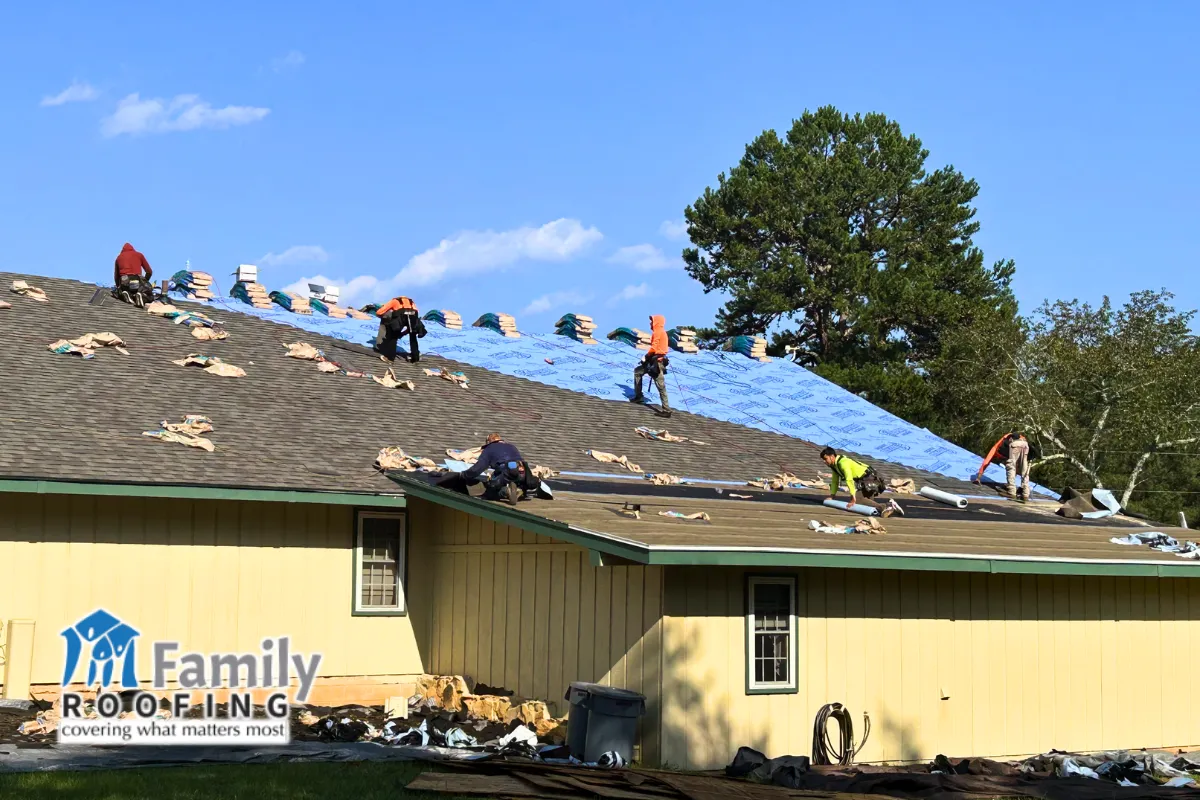
Not every damaged roof in Anderson needs a full roof replacement. Many homeowners find that targeted repairs handle the problem at a fraction of the cost, especially when the roof still has years of service life remaining.
Roof repair typically makes sense when:
- Damage is limited to a small area, such as a few missing shingles or a single leak at a flashing joint.
- The roof’s condition is otherwise sound, with no widespread granule loss or recurring moisture problems.
- The roof has not yet reached mid-life for its material type.
A re roof project or full replacement becomes the better investment when:
- Shingle failure, cracking, or curling is spread across multiple slopes.
- Multiple rooms show leaks inside after storms.
- The roof has reached or exceeded its expected lifespan.
Speaking of lifespans, asphalt shingles last between 20 and 30 years depending on quality and installation. Architectural asphalt shingles are popular for their durability and tend to hold up closer to the 30-year mark. Metal roofs can last significantly longer than asphalt shingles, often exceeding 40 years with proper maintenance. Metal roofing offers superior durability and energy efficiency, which is why it has gained traction across Upstate South Carolina. For commercial buildings, TPO, PVC, and EPDM are common commercial roofing materials, though residential properties in Anderson overwhelmingly use asphalt or metal systems.
Ongoing patch jobs on an aging, damaged roof often cost more in the long run than a timely roof replacement. When requesting estimates, ask the roofing company to clearly separate potential repairs from replacement options so you can compare both paths side by side.
Permits, Codes, and Roof Inspections in Anderson, SC
Anderson homeowners must follow local building codes and permitting rules when they repair roofs or install a new roof. This is not optional. Anderson County enforces state-modified versions of the 2021 International Codes, including the International Residential Code, which governs roof structure, flashing, wind resistance, and covering standards.
A few tips to keep in mind:
- Permits are typically required for a new roof or when repairs involve a substantial portion of the existing roof surface. Smaller patch repairs may not require a permit, but it is worth confirming with the local building department.
- Professional roofing services providers usually handle the permitting process and schedule any required city or county inspections on the homeowner’s behalf.
- Always confirm that your roofing contractor is fully licensed and carries proper liability and workers’ compensation insurance in South Carolina before work begins.
Annual roof inspections can prevent costly repairs by catching minor problems early. Regular inspections can extend a roof’s lifespan by 5 to 10 years, which translates to thousands of dollars in savings. Keep copies of permits, inspection approvals, and warranty documents for future homeowners insurance or real estate needs.
Roof Repair, Insurance Claims, and Protecting Your Budget
Storm-related roof damage may be covered under many homeowners insurance policies, but coverage depends on your specific terms, deductible structure, and the cause of the damage. Understanding how the claims process works before you need it saves time and frustration.
Professional inspections help document damage for insurance claims. A detailed written report with photos, measurements, and material notes gives your insurance company the information they need to evaluate the claim fairly.
Documentation homeowners should gather includes:
- Photos of the damage from multiple angles
- The date, time, and type of storm that caused the damage
- Notes on any leaks inside or temporary fixes applied
- Receipts for emergency tarping or other protective measures
Keep in mind that the insurer, not the roofer, ultimately decides whether storm damage qualifies for coverage. Policies may use replacement cost value or actual cash value to calculate payouts, and some include separate wind and hail deductibles that are percentage-based rather than a flat dollar amount. Contact a roofing professional before filing so you understand whether the extent of damage justifies an insurance claim. Ask for clear repair costs versus full replacement estimates so you can compare those figures against your policy limits.
Choosing a Professional Roofing Contractor You Can Trust
The quality of the roofer matters as much as the quality of the materials going on your roof. A skilled contractor turns a stressful situation into a straightforward project, while a careless one can create problems that outlast the shingles.
Qualifications to verify before signing anything:
- A verifiable business address and phone number in or near Anderson
- Active licensing in South Carolina and proper liability and workers’ compensation insurance
- Demonstrated experience with residential roofing in Anderson’s climate, including familiarity with local permitting requirements
- Written estimates that include clear timelines, detailed descriptions of materials, and warranty coverage for both labor and product
Be cautious of high-pressure sales tactics, door-to-door pitches immediately after storms, or vague promises about guaranteed insurance approval. A trustworthy roofing contractor earns your confidence through transparency, not urgency. Check references, ask for recent project photos, and review third-party ratings to confirm the contractor’s reputation for professional roofing work. Whether you need roofing projects handled quickly after a storm or you are planning ahead for replacing an aging system, the right partner makes the difference.
Roof Repair in Anderson, SC – Call Family Roofing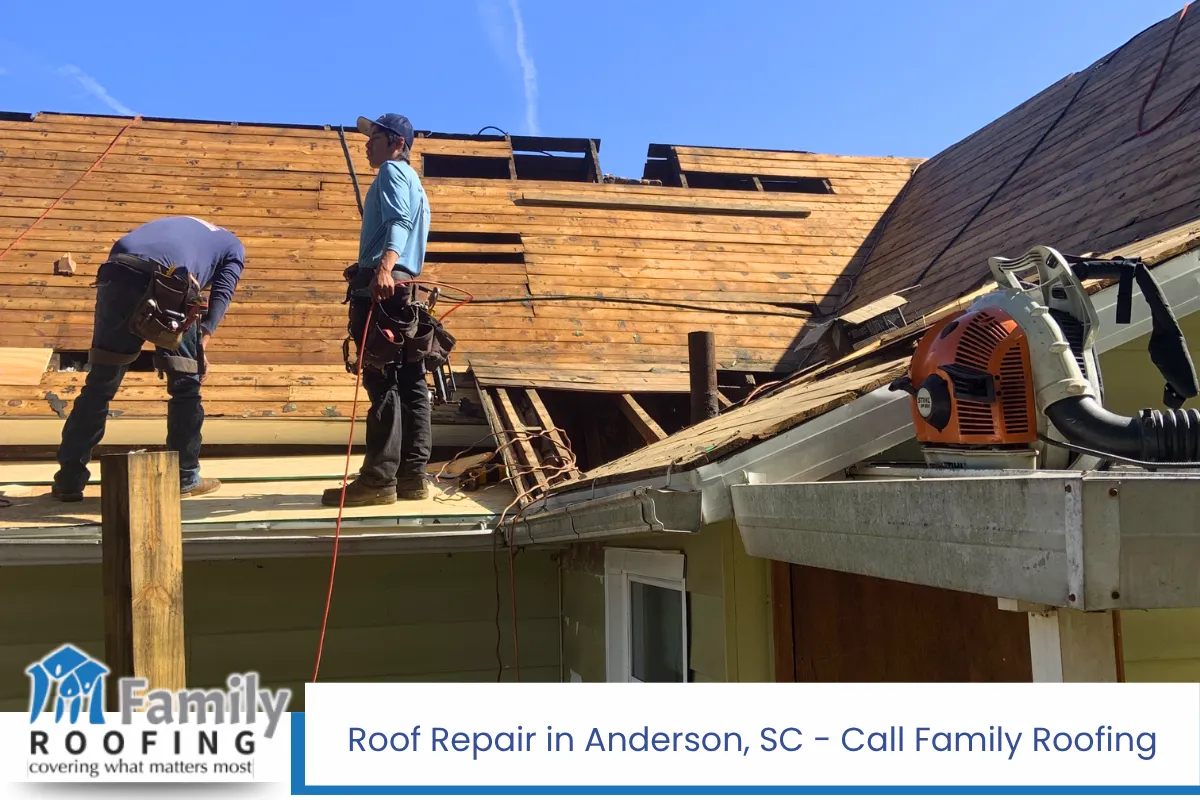
If you have noticed any of the warning signs described in this article, we are ready to help. At Family Roofing, we provide thorough roof inspections, honest assessments, and high-quality residential and commercial roofing solutions throughout Anderson, SC and the surrounding areas. We believe every homeowner deserves a clear explanation of their roof’s condition and straightforward options for repair or replacement. Our team is fully licensed, insured, and experienced with the specific weather challenges that roofs face here in Upstate South Carolina. We also offer free inspections so you can understand your options before committing. Call us today at (864) 261-0841 or fill out our online contact form to schedule your assessment. We look forward to helping you protect your home.
Frequently Asked Questions
How often should I schedule a professional roof inspection in Anderson, SC?
Plan for at least one professional inspection per year, ideally in the spring or early fall before the most intense weather seasons. If a severe storm with high winds or hail passes through your area, schedule an additional check regardless of when your last inspection took place. Homes with older roofs or significant tree cover may benefit from inspections every six months, since debris accumulation and shade-driven moisture issues develop faster in those conditions. Documented inspections also build a maintenance record that strengthens your position if you ever need to file an insurance claim or if you decide to sell your property and want to demonstrate the roof’s condition to potential buyers.
What should I do if I notice an active roof leak during a storm?
Move furniture, electronics, and personal belongings away from the affected area as quickly as you can. Place buckets or large containers under active drips, and lay plastic sheeting over flooring or carpeting to limit water damage. Do not attempt to climb onto the roof while it is wet or while wind is still gusting. Contact a roofing contractor as soon as conditions allow to arrange emergency tarping or temporary fixes that keep additional water out until a permanent repair can be scheduled. Taking photos of the leak and any interior damage while it is happening also provides useful documentation if you later need to file an insurance claim with your provider.
How long does a typical roof repair take once work begins?
Many small repairs, such as replacing a few damaged shingles or resealing a section of flashing, can be completed within a single working day. Larger jobs that involve decking replacement, multiple leak points, or work across several roof areas may require two to three days depending on the complexity and square footage involved. Your contractor should provide an estimated timeline in writing before work starts so you can plan accordingly. Weather conditions and roofing material availability can sometimes push the schedule beyond the original estimate, particularly during peak storm season when demand for roofing repair across the region increases significantly. Regular maintenance and addressing issues early help keep most repairs on the shorter end of that timeline.
How can I prepare my home and yard before roofers arrive?
Move vehicles out of the driveway and away from the side of the house where work will take place, since debris and materials need space to land safely. Inside the home, cover or relocate fragile items stored in the attic beneath the repair area, as vibration and incidental debris can shift during the process. Trimming the grass short around the perimeter of the house makes post-job cleanup easier and helps the crew locate stray nails with a magnetic sweeper. Keep pets and children indoors or in a supervised area well away from the work zone for the duration of the project. If you have outdoor furniture, potted plants, or decorations near the roofline, temporarily move those items to maintain clear access for the crew.
Will roof repairs be noisy and disruptive to my daily routine?
Roof work involves hammering, nail guns, footsteps on the deck, and material being moved across the surface, all of which can be heard clearly inside the home. If you work from home, have young children napping, or are sensitive to noise, consider planning errands or activities outside the house during the noisiest portion of the job, which is typically the tear-off and nailing phases. Most contractors work during standard daylight hours and aim to complete repairs as efficiently as possible to limit disruption. Talk to your roofer ahead of time about the expected schedule so you can coordinate around the loudest periods. Many homeowners find that knowing the timeline in advance makes the temporary inconvenience much easier to manage.
Disclaimer
This article provides general roofing information for Anderson, SC homeowners and does not constitute legal, insurance, or structural engineering advice. Consult a qualified roofing professional, licensed contractor, or insurance representative for guidance specific to your property and situation.
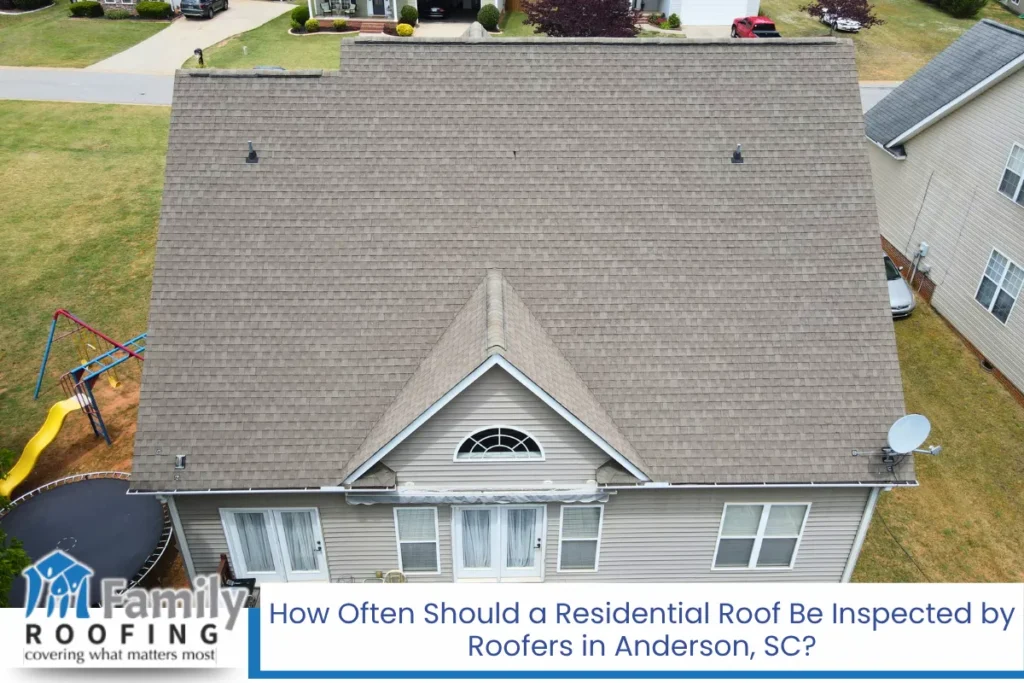
Read How Often Should a Residential Roof Be Inspected by Roofers in Anderson, SC?