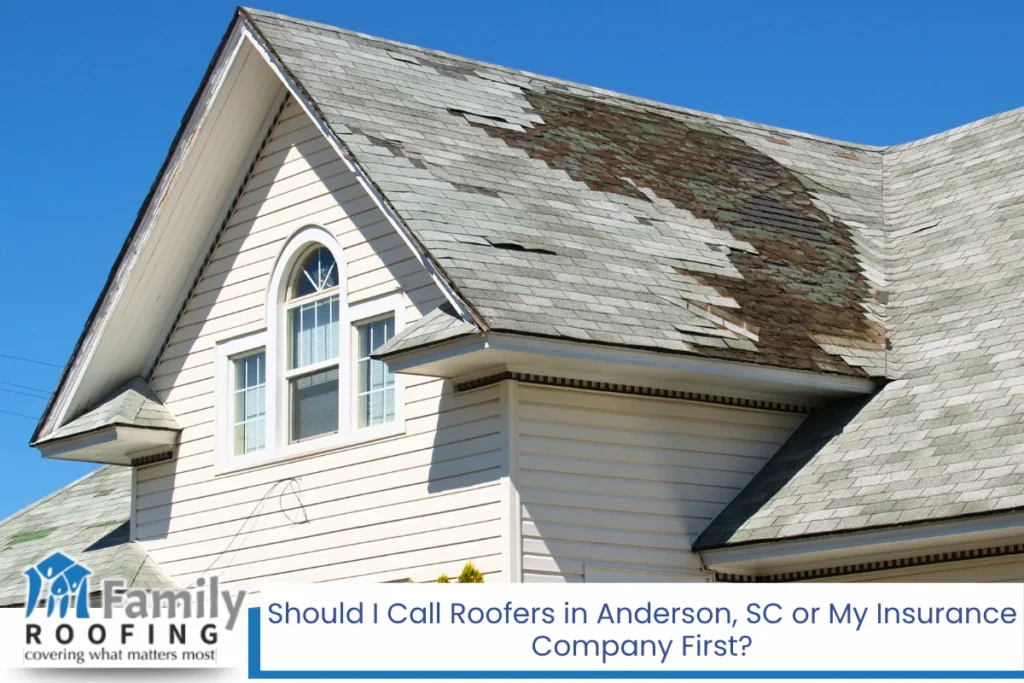
The Quick Answer When Your Anderson Roof Is Damaged
If you are searching for roofers in Anderson, SC because a storm just rolled through and you are staring at water dripping from your ceiling, you need a clear answer fast. Here it is: in most cases, contact your insurance company first. But if water is actively entering your home or the roof structure looks unsafe, call a roofer for emergency repairs before anything else. That stress you feel when hail hammers your shingles or you spot a growing stain on the ceiling is real, and making the wrong first call can lead to denied insurance claims, unexpected out-of-pocket costs, or unsafe temporary fixes. This article gives you a step-by-step framework, rooted in standard homeowner insurance practices and Anderson-area building requirements, so you know exactly who to call, when to call them, and why the order matters.
Key Takeaways
- In most non-emergency situations, contact your insurance company first to report the loss before scheduling permanent repairs. This protects your eligibility for coverage and starts the official claim file.
- If you have an active leak, a tree through the roof, or any safety hazard, call a roofer for emergency mitigation immediately, then notify your insurer right away.
- Licensed local roofers in Anderson can document damage with photos and detailed reports, perform temporary repairs, and coordinate with the adjuster during the claims process.
- Safety, preventing further damage, and thorough documentation are the top priorities in the first 24 to 48 hours after you discover roof damage.
- Larger roof repair or replacement projects in the Anderson area may require permits, which reputable contractors will handle as part of their roofing services.
Who To Call First: Clear Rules You Can Follow in Anderson, SC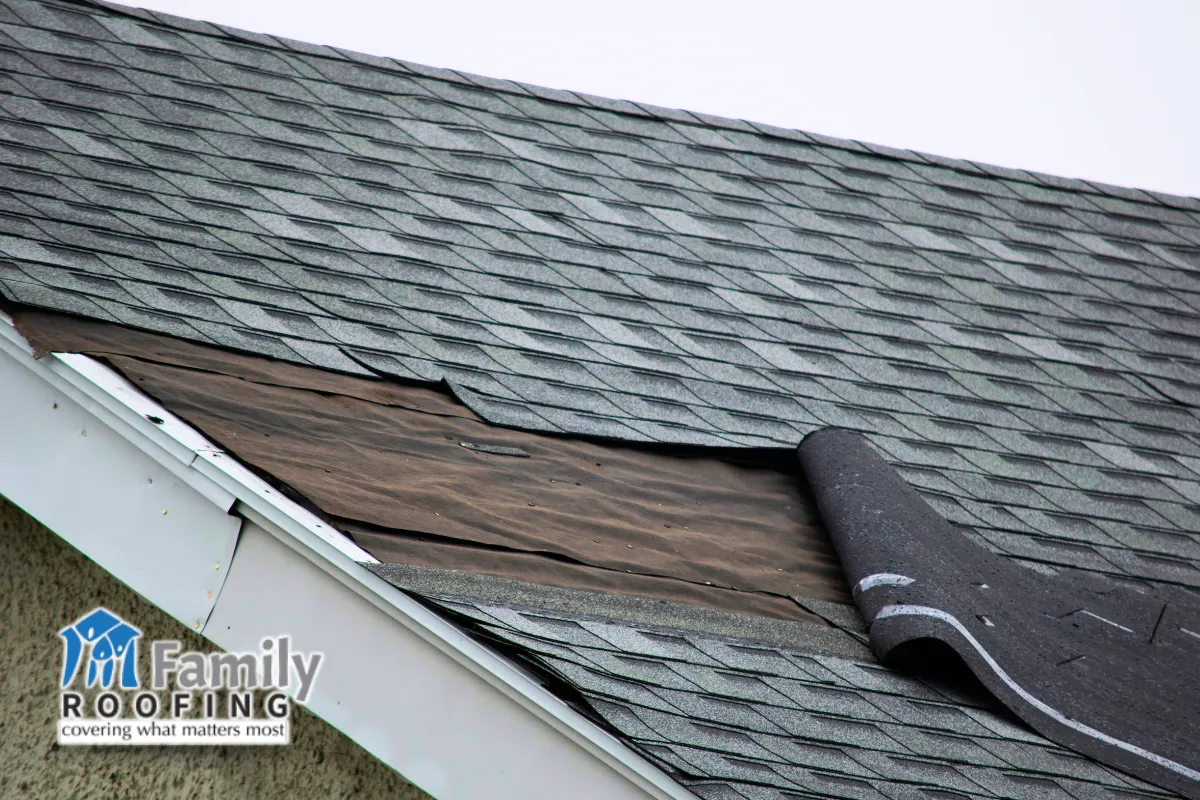
The decision depends on several factors, but the most important one is urgency. Here is a simple breakdown.
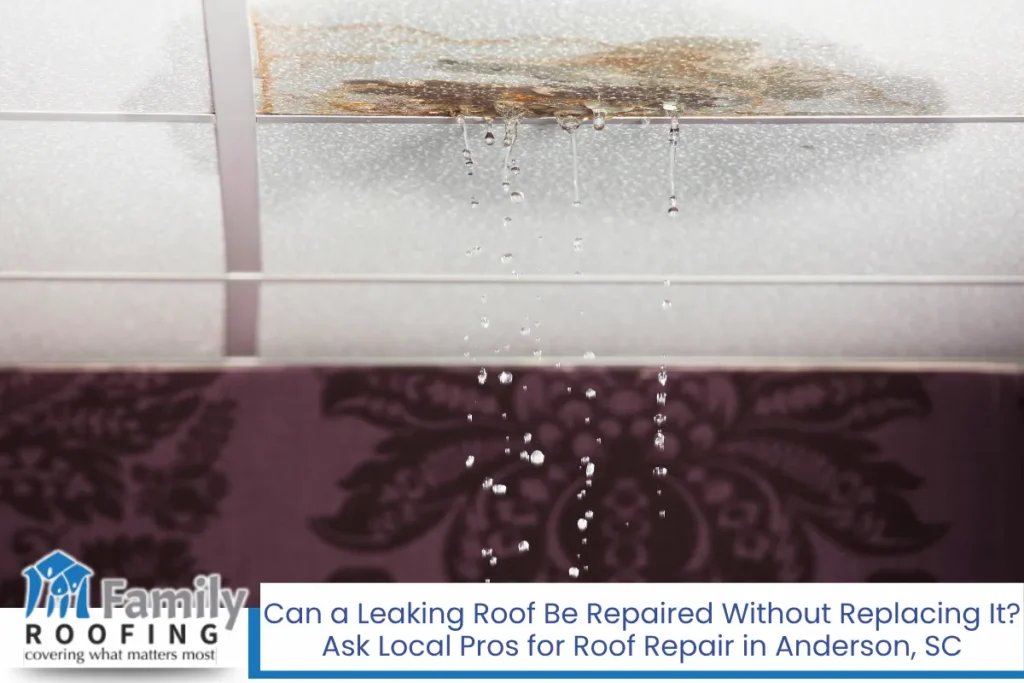
Emergency situations (call a roofer first): If your ceiling is sagging, water is pouring in, a tree has punched through the roof, or you can see daylight through the decking, your safety comes first. Call a professional roofer for immediate attention and emergency mitigation. Once the situation is stabilized, contact your insurance company to report the loss.
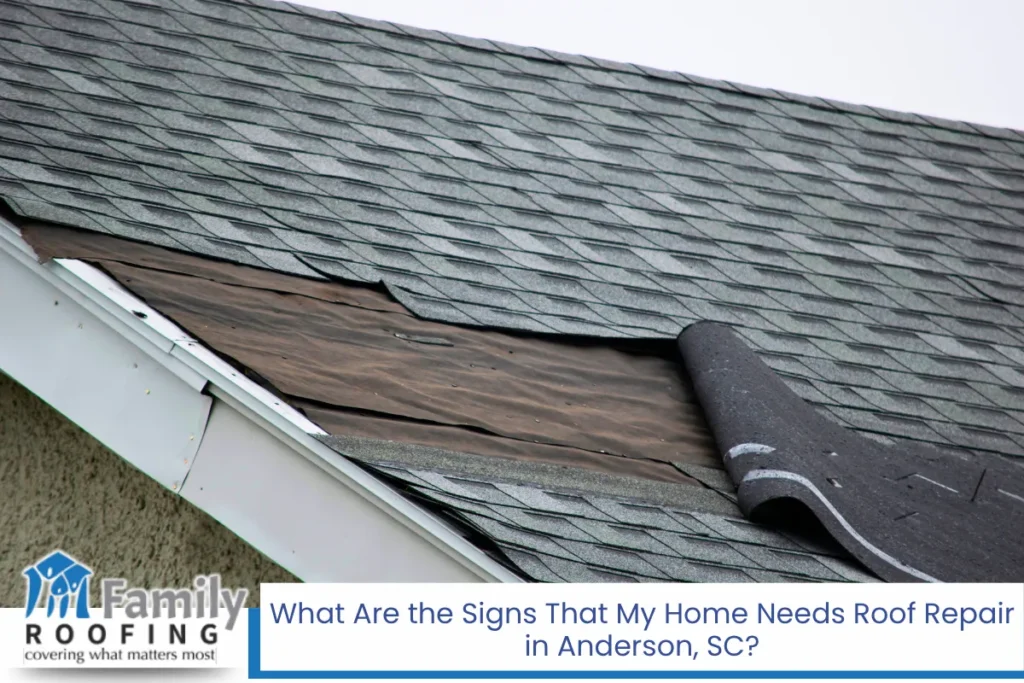
Non-emergency situations (call insurance first): If you notice missing shingles, granule buildup in gutters, or older stains after a storm but no active leak, contact your insurance company first to report the potential damage. Then schedule a roof inspection with a qualified roofing contractor to assess the extent of the problem.
Homeowners are advised not to authorize permanent roof repairs before the insurance adjuster has inspected the property. Insurance companies may require prior contact before repairs, and skipping that step can complicate or reduce your reimbursement. Your insurance company can guide you through the claim process, so that initial call sets the foundation for everything that follows.
Initial Steps When You Discover Roof Damage
The first hours after you discover roof damage set the tone for the entire repair process. Prioritize safety and take steps to prevent further damage before worrying about phone calls or paperwork.
Here is what to do right away:
- Stay off the roof. Do not climb up to inspect damage yourself, especially during or immediately after a storm.
- Move furniture, electronics, and valuables away from active leaks. Place buckets and towels under drip points.
- If water is pooling near electrical fixtures or you see wet ceiling areas near wiring, shut off electricity to those rooms for safety.
- Document damage with photos before any repairs. Homeowners should document all visible damage thoroughly with photos and videos from the ground, capturing shingles, gutters, siding, and interior stains. Photographic evidence should be taken before any changes are made because documenting damage with photos is essential for insurance claims and helps prevent misunderstandings with insurers later.
- Check your homeowner insurance policy or online account for claim reporting instructions and emergency repair provisions.
- Contact your insurer’s claim line once immediate hazards are managed. Ask about next steps in the claims process and how to handle temporary repairs.
How Your Insurance Claim Process Typically Works
Understanding the insurance claim process removes a lot of the anxiety. Here is how a standard roofing insurance claim unfolds in most cases.
Stage 1 – Report the loss. You call or go online to notify your carrier. You receive a claim number.
Stage 2 – Adjuster inspection. An insurance adjuster will evaluate the damage after filing a claim. Many carriers schedule inspections within a few days to two weeks, though large regional storms can create backlogs.
Stage 3 – Estimate and settlement. The adjuster produces a scope of work and dollar estimate. Insurance claims require detailed documentation of roof damage to support this estimate, so a detailed report of damage aids in the process significantly.
Stage 4 – Repairs. Once the scope is approved, you hire a contractor and complete the work. If your policy is replacement cost, you may receive additional funds after submitting final invoices.
ACV vs. RCV – this matters more than many homeowners realize. Actual cash value policies pay the depreciated value of your roof. Replacement cost value policies pay the full cost to replace with similar materials. For example, if a new roof costs $20,000 and your 15-year-old roof has depreciated by 60 percent, an ACV policy might only pay around $8,000 minus your deductible. With an RCV policy, you would pay only your deductible. Many policies in upstate South Carolina now include endorsements that shift older roofs to ACV coverage at renewal, sometimes without homeowners fully realizing the change.
Insurers want to see that damage came from a covered peril like a storm event, not from long-term wear and tear or deferred maintenance. Keep a written log of every call, email, and conversation with your insurer and contractor, including dates and names.
Why Calling Your Insurance Company First Often Makes Sense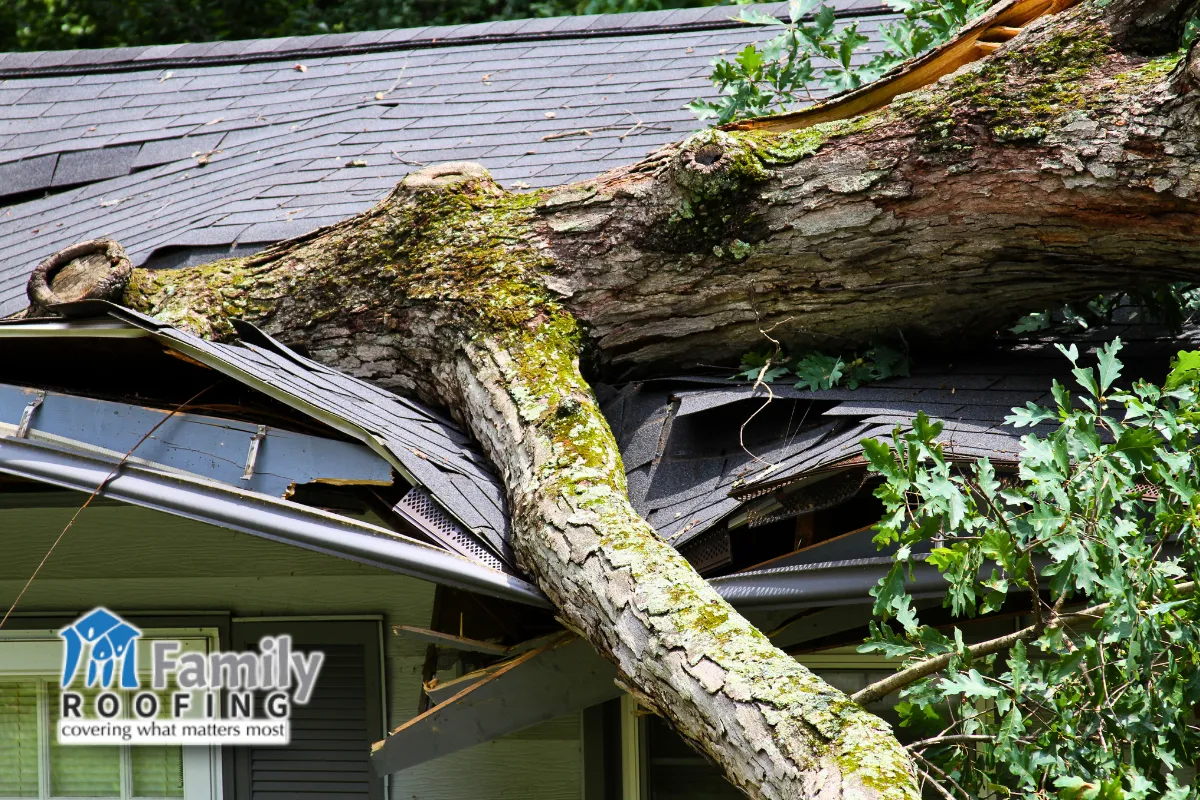
Most policies prioritize early policyholder contact. Contacting insurance first can clarify coverage details, confirm your deductible, and establish whether the damage falls under a covered peril before you commit to any major roofing project.
Core benefits of calling the insurance company first include:
- You comply with your specific policy terms, which often require prompt notice of loss.
- You learn what is and is not covered before signing a repair contract.
- You start the official claim file quickly, which matters if damage worsens.
- Your carrier may recommend or approve temporary measures like tarping to prevent further damage, and those costs are often reimbursable when properly documented.
Early contact also helps you avoid common pitfalls like paying a contractor in full before coverage is confirmed, or discarding damaged shingles and materials that the adjuster needs to inspect.
Understanding Your Policy Before You Schedule Major Repairs
Before you sign any big repair contract, take fifteen minutes to read your declarations page and roof-related endorsements. South Carolina homeowners should verify their policy details and deductible after roof damage so there are no surprises.
Key sections to review:
- Roof age restrictions or ACV endorsements that may limit payouts on older roofs
- Cosmetic damage clauses that exclude hail denting without functional impairment
- Separate wind or hail deductibles, which in some policies are percentage-based rather than flat dollar amounts, making small claims financially impractical
- Exclusions for long-term leaks, improper installation, or lack of maintenance
Ask your insurer direct questions about coverage limits, required documentation, and whether you must use a network contractor or can choose your own roofer. Contractors cannot interpret your insurance policy for you. Coverage and deductible details must be confirmed directly with the carrier.
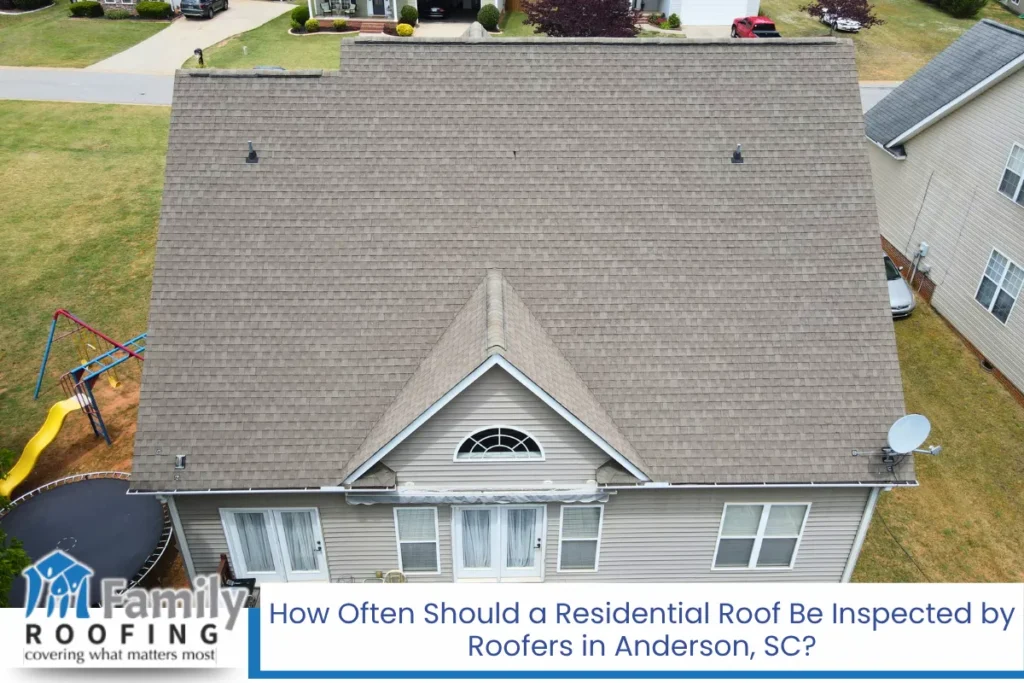
Read How Often Should a Residential Roof Be Inspected by Roofers in Anderson, SC?
Benefits of Calling a Qualified Roofer Early in the Process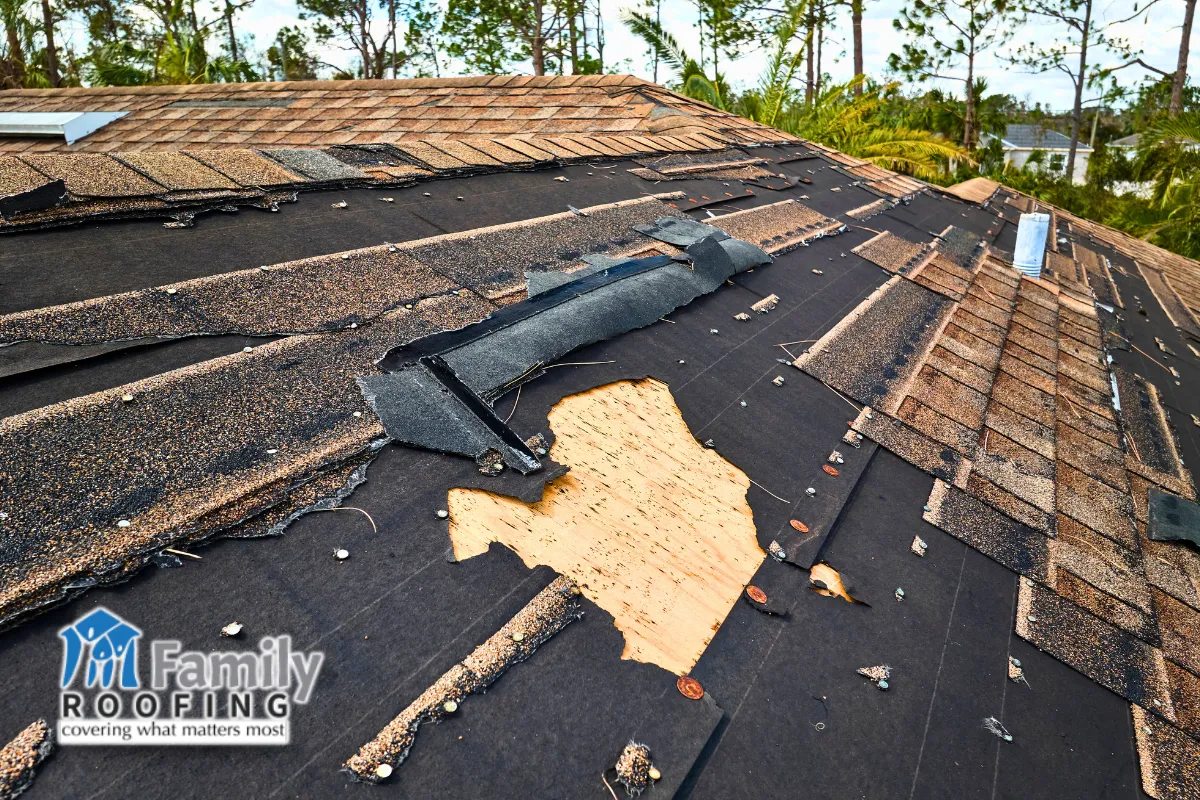
Even if you contact insurance first, bringing in a trusted roofing contractor early is one of the smartest moves you can make. Call a roofer first for an accurate damage assessment whenever you are unsure about the extent of what happened up there.
Roofing contractors provide detailed inspection reports for claims that go far beyond what you can see from the ground. They help document damage with photos and reports, identifying storm impacts versus normal wear. A roofer can document damage for insurance claims in ways that strengthen your position during the process.
Many professional roofers offer free inspections and photo reports that clarify the scope of damage and give you a realistic estimate of repair costs. Experienced roofers understand the insurance claims process and can speak the same technical language as adjusters when discussing flashing, underlayment, ventilation, and decking issues.
For commercial roofing or larger residential roofing projects, this expert documentation is particularly important due to higher cost and more complex systems involved.
Emergency Mitigation: When a Roofer Should Come Before Insurance
When safety is at stake, paperwork waits. Emergency situations, such as active leaks, require immediate contact with a roofer to stabilize the structure.
Situations that warrant calling a roofer immediately:
- A tree has penetrated the roof, exposing the interior
- Water is spreading rapidly through ceilings during an ongoing storm
- Structural members are visibly sagging or cracked
- Large sections of shingles or decking have blown off, leaving the home exposed to high winds and rain
Reputable local roofers can perform emergency temporary fixes to prevent further damage. These services may include tarping, temporary patching, securing loose or damaged shingles, and clearing debris. Roofers can provide emergency repairs to prevent further damage from compounding the original problem.
Keep receipts for emergency mitigation costs since they may be reimbursable by insurance. Take before-and-after photos of all emergency work. Limit these temporary repairs in scope so the adjuster can still verify the original damage pattern during inspection.
Common Mistakes Homeowners Make With Roof Damage Claims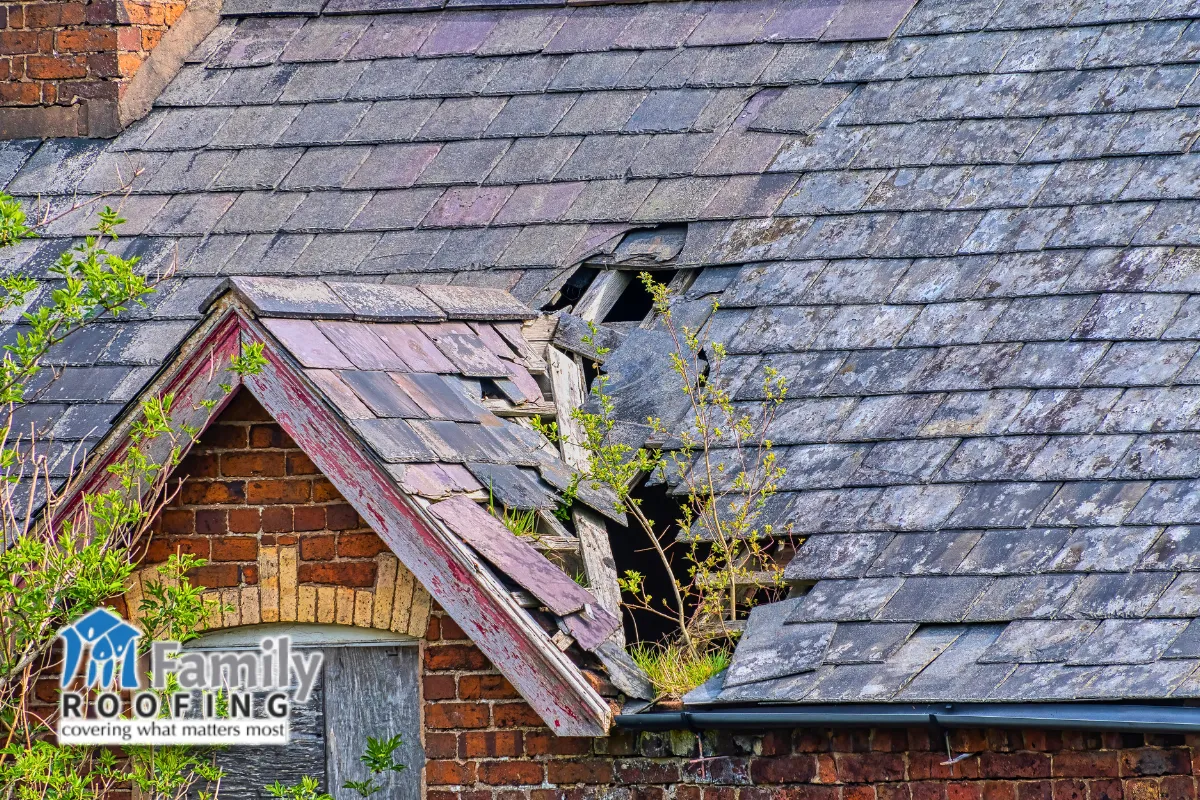
These are avoidable errors that regularly delay or shrink insurance claim payouts. Being aware of these common mistakes can save you thousands of dollars and weeks of frustration.
- Waiting weeks to report obvious storm damage to your insurer. Prompt reporting is almost always a policy requirement.
- Attempting DIY repairs that cause further damage or obscure evidence the adjuster needs.
- Failing to document the roof before cleanup or repair. Filing an insurance claim without knowing the damage extent can backfire.
- Signing a contract for a full roof replacement before knowing whether coverage exists or what your deductible requires.
- Starting work without required permits in areas where they apply.
- Paying large cash deposits to unknown contractors who knock on your door right after storms. Choose local contractors to avoid scams from out-of-state companies. Verify the contractor’s license through local authorities. Ensure the contractor has general liability and workers’ compensation insurance. Check online reviews and BBB ratings for contractor reputation before handing over any money. Look for contractors with manufacturer certifications for better warranties and accountability.
- Discarding damaged materials before the adjuster arrives. Keep damaged items until the adjuster inspects them.
- Exaggerating or misrepresenting damage on an insurance claim, which can constitute fraud and jeopardize your entire coverage.
How Local Codes, Permits, and Inspections Affect Your Claim
Roof work in Anderson must follow applicable local building codes, and depending on your exact location, permits may be required. Within the City of Anderson, significant roof repair or replacement typically triggers permitting and post-work inspections. The city requires contractors to hold proper state licenses and a city business license. In Anderson County outside city limits, re-roofing or roof repair generally does not require a building permit regardless of cost, though structural changes may have different requirements.
Using code-compliant materials and methods is essential because insurers typically only pay for work that meets current standards. If code upgrades are required, such as updated underlayment, ventilation, or wind uplift ratings, coverage for those changes depends on specific policy provisions.
If your home is in a historic district, exterior roof alterations may need approval from the Board of Architectural Review, which can affect materials and timelines. Ask your roofer how they ensure compliance with Anderson-area requirements and how they coordinate any necessary inspections.
Coordinating Between Your Roofer and Insurance Adjuster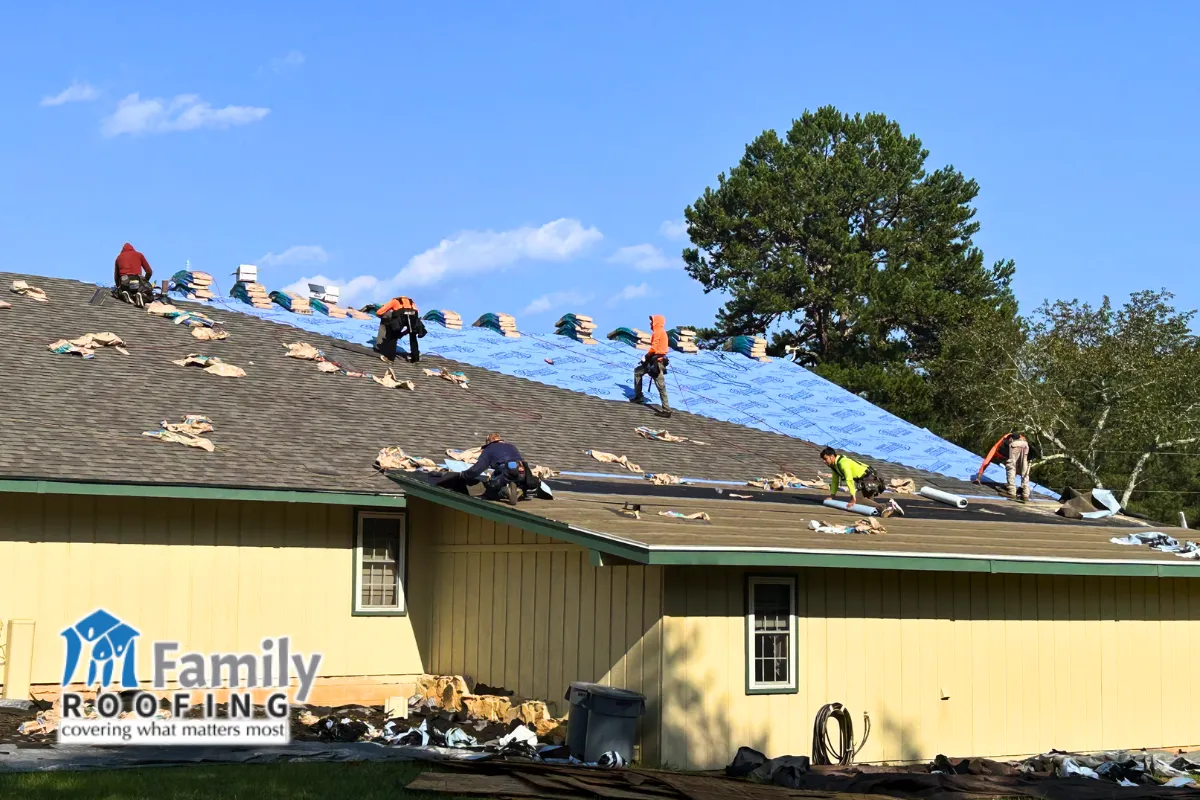
Collaboration between your roofing contractor and insurance adjuster usually produces a smoother experience than treating them as opposing sides. Contractors assist homeowners throughout the insurance claims process by bridging the gap between technical roof knowledge and insurance paperwork.
Schedule your roofing contractor for the insurance adjuster meeting to ensure proper coverage of all damage. Having a contractor present lets them point out subtle or hidden issues the adjuster might otherwise miss, such as damaged flashing behind gutters or compromised decking under shingles.
A roofer’s written estimate should be detailed, with line items for materials, labor, ventilation, flashing, and code-required components. This makes it straightforward to compare with the adjuster’s scope. Roofing contractors can negotiate with insurance adjusters on technical details, though South Carolina law prohibits contractors from formally representing homeowners in claims unless licensed as public adjusters.
If estimates differ, address discrepancies by sharing photos, measurements, and manufacturer guidelines rather than arguing emotionally. Keep all communication professional and in writing when discussing changes in scope, supplements, or additional damage found during construction.
Deciding Whether to File a Claim or Pay Out of Pocket
Not all roofing damage meets the threshold for an insurance claim, and sometimes paying out of pocket is the smarter financial move.
Consider these factors before filing:
- How does the estimated cost compare to your deductible? If repair costs are only slightly above your deductible, the net payout may not be worth filing.
- Is the cause clearly a covered event like recent hail or high winds, or is it gradual wear?
- Insurance claims can impact future premiums even if they are denied, though insurance companies in South Carolina cannot surcharge rates strictly for a weather-related claim.
- Repeated small claims can affect your insurability over time.
Get a written estimate from a trusted roofing service before deciding, so you have a realistic cost range to weigh against your deductible. If a few damaged shingles from a minor storm will cost $800 to fix and your deductible is $1,000, filing makes no financial sense.
Speak directly with your insurer’s representative for guidance rather than relying solely on third-party opinions about whether filing is worth filing.
Protecting Your Home Long-Term After a Roof Claim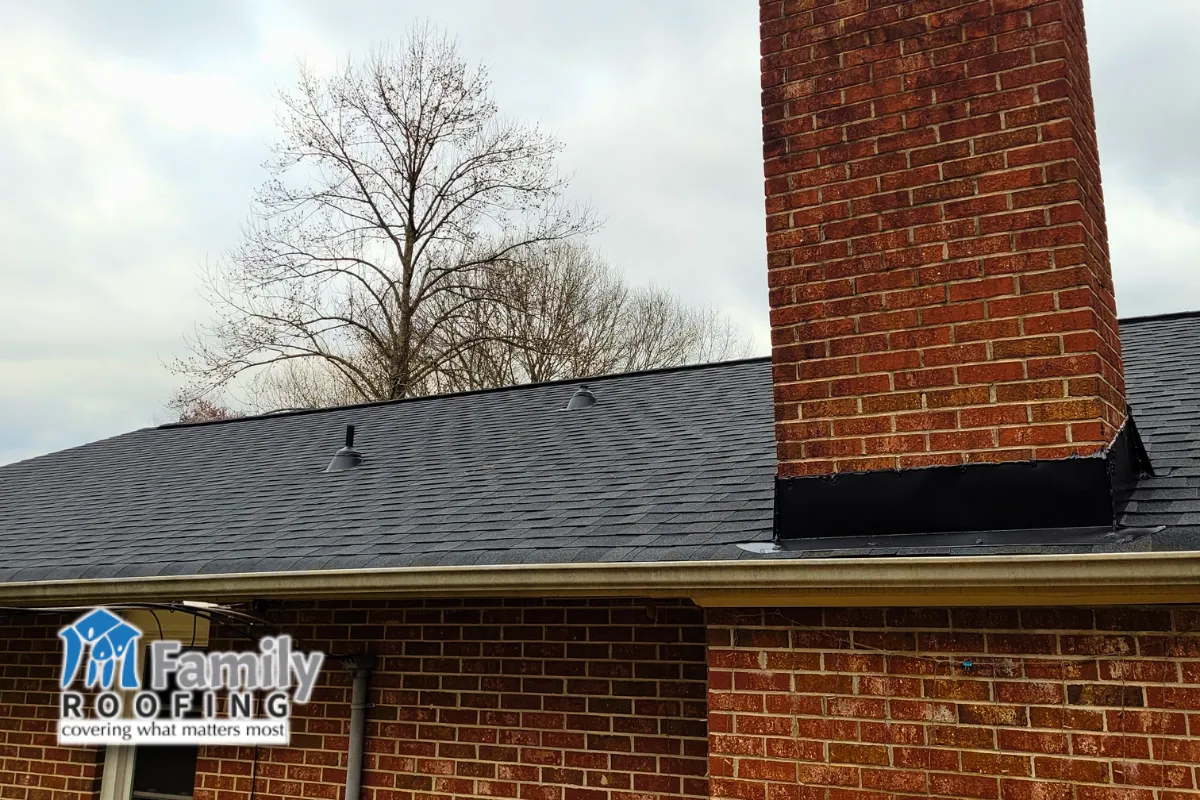
Once your claim is closed and the new roof or necessary repairs are complete, shift your focus to long-term protection and future insurability.
- Schedule periodic roof inspections after major weather events and at least once a year to catch small issues before they become new claims.
- Keep a maintenance file with invoices, inspection reports, and warranty documents. This shows insurers you are maintaining the roof responsibly and can protect you if a future claim is questioned.
- Choose durable materials and ensure proper attic ventilation during any roofing project. Both extend roof life and improve resistance to future storms.
- Review your insurance policy after a significant claim. Coverage changes or endorsements for higher wind protection may better suit your risk level going forward.
Proactive maintenance is one of the best ways to protect your investment and keep your premiums manageable over time.
Roofers in Anderson, SC – Call Family Roofing
We are Family Roofing, your local roofers based right here in Anderson, SC. We serve homeowners throughout the surrounding communities with roof repair, replacement, and storm damage services built on high standards and honest recommendations. Our team provides professional roof inspections with detailed photo documentation, and we guide our clients through the insurance claim process when appropriate. Whether you need emergency tarping after a storm or a full residential roofing replacement, we are fully licensed, insured, and committed to code-compliant workmanship at every step. Call us at (864) 261-0841 or fill out our online contact form to schedule a free inspection. At Family Roofing, we want every homeowner to feel confident from the first phone call to final cleanup.
Frequently Asked Questions
How Quickly Will an Insurance Adjuster Usually Inspect My Roof After I File a Claim?
Timelines vary by carrier and the severity of the weather event. In a typical situation, many adjusters schedule roof inspections within several days to two weeks of your filing. After a major regional storm affecting hundreds or thousands of homes, backlogs can push that timeline out significantly. When you first report the loss, ask for an estimated inspection timeframe and request emergency guidance if water intrusion or structural issues exist. While waiting, prevent further damage with non-invasive measures like buckets indoors and professional tarp installation outdoors. Keep documenting any changes with dated photos. Stay reachable by phone and email so inspections are not delayed by missed scheduling calls.
Can I Choose My Own Roofing Contractor, or Must I Use One Recommended by My Insurer?
Most policies allow homeowners to select any properly licensed and insured roofing contractor, even if the insurer provides a preferred vendor list. Recommended contractors may streamline some paperwork, but you retain the right to research reviews, check credentials, and make your own choice. Selecting a local contractor familiar with Anderson requirements is often more valuable than choosing purely based on the lowest estimate. Confirm with your insurer that your chosen contractor’s scope and pricing are acceptable before work begins. Regardless of who recommends the contractor, insist on a written contract detailing materials, warranty terms, and a clear payment schedule before any work starts.
What Happens If My Roofer’s Estimate Is Higher Than the Insurance Adjuster’s Report?
This is a common situation and not automatically a sign of bad faith from either side. Start by asking the roofer to explain specific line items that differ from the adjuster’s scope, such as additional flashing replacement, ventilation upgrades, or code-required components the adjuster may not have included. Share the contractor’s detailed estimate, supporting photos, and any relevant code references with your adjuster and request a reinspection or supplement if the differences are justified. Insurers frequently increase payments when presented with clear evidence that additional work is necessary and reasonable. Stay neutral and focused on facts throughout this process rather than escalating emotionally.
Does a Roof Claim Also Cover Interior Ceiling or Wall Damage From the Leak?
Many homeowner policies do cover resulting interior water damage from a sudden covered event, but they typically exclude damage from pre-existing or long-term issues like a slow leak you have known about for months. Ceiling stains, damaged drywall, peeling paint, and ruined flooring should be photographed and reported at the same time as the roof damage. Do not repaint or replace interior materials until the adjuster documents them, unless health or safety requires immediate cleanup such as mold concerns. Coverage decisions depend on policy language and the determined cause of loss. Ask the adjuster whether separate estimates are needed for roof repairs and interior restoration so the claim file captures everything.
How Can I Prepare My Home for a Professional Roof Inspection After a Storm?
Clear vehicles from the driveway and unlock side gates so the inspector can safely access all sides of the property. Secure pets indoors so they do not interfere with the inspection or create safety concerns. Make a simple written list of all leaks, ceiling spots, or exterior areas you are concerned about and have it ready to review on site. Gather any prior repair invoices and previous inspection reports so the professional can see the roof’s recent history and determine what is new damage versus old. Avoid climbing the roof yourself. Instead, show the inspector the ground-level photos you have already taken. Being present during the inspection lets you ask questions in real time and understand findings before any decisions are made.
Disclaimer
This article provides general roof and insurance information for Anderson, SC residents. It is not legal, financial, or policy-specific advice. Always confirm coverage details, permit requirements, and applicable regulations directly with your insurance carrier and local authorities.