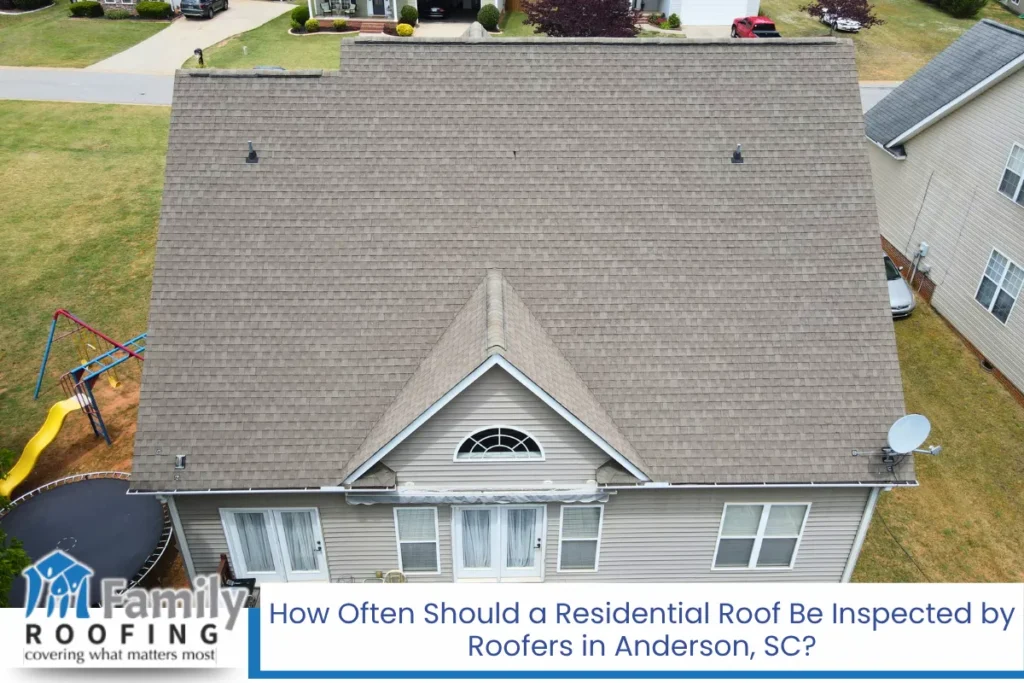
Roofers in Anderson, SC handle everything from minor shingle repairs to complete roof replacement, but the single most overlooked service is the routine inspection. Your roof silently endures heat, humidity, thunderstorms, and hail year after year, and most homeowners never think about it until water stains appear on the ceiling or damaged shingles land in the yard. The problem is that by the time roof damage becomes obvious, the cost of repair has often multiplied. A consistent inspection schedule is the simplest way to protect your home, your wallet, and your peace of mind. This guide breaks down exactly how often your residential roofing should be evaluated, what professionals look for, and why Anderson’s climate makes regular attention non-negotiable.
Key Takeaways
- Most homes in Anderson should receive a professional roof inspection at least once a year, with additional checks after major weather events like hail or high winds.
- Older roofs, homes with prior repairs, or properties with visible damage often benefit from inspections every six months.
- Regular inspections help catch roof problems early, extend the lifespan of your roofing system, and support insurance claims with detailed documentation.
- Homeowners can perform simple visual checks from the ground, but a professional inspection is the only way to evaluate hidden issues in the attic, flashing, and underlayment.
- Always work with licensed and insured local roofers who understand Anderson County weather patterns and South Carolina building codes.
How Often Should Anderson Homeowners Schedule Roof Inspections?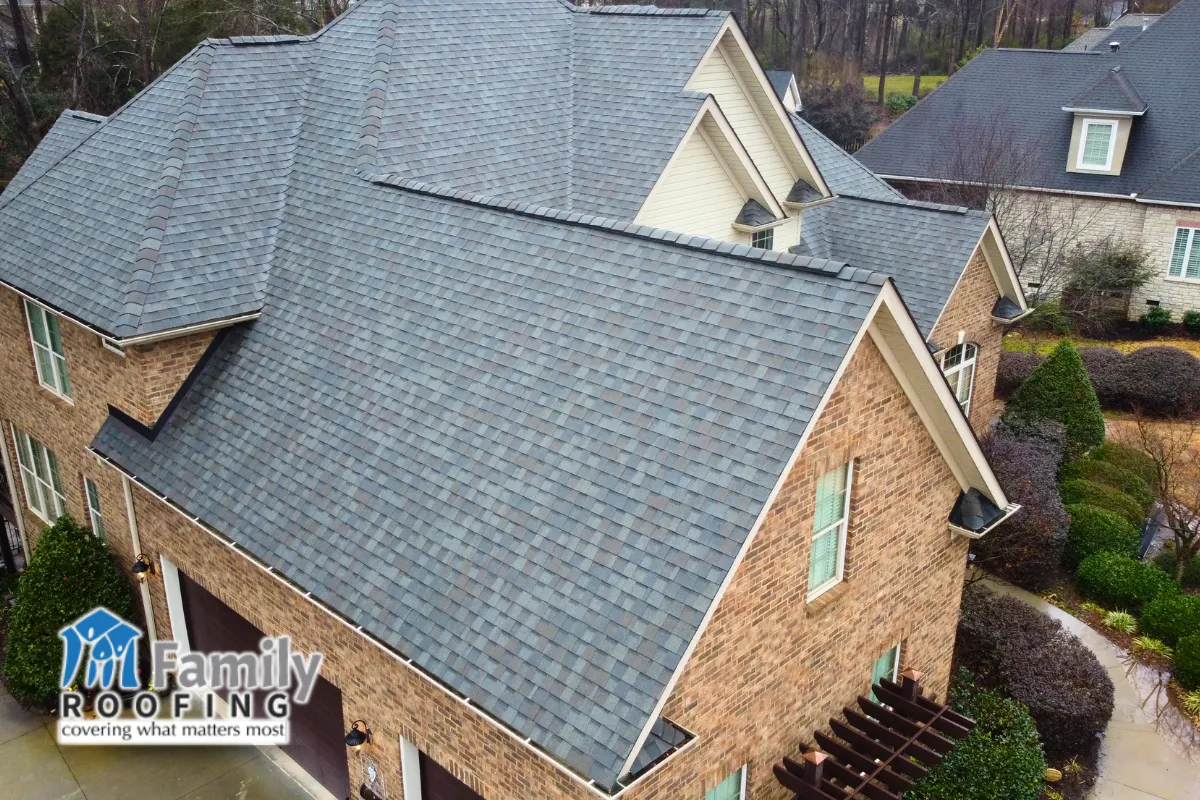
The short answer is that you should have your roof inspected at least once a year. An annual inspection is considered the minimum for proper roof maintenance, and it gives a trained roofing professional the chance to spot early signs of wear before they turn into expensive projects. Annual inspections can prevent minor issues from escalating into leaks, rot, or structural concerns that demand emergency work.
Many experts go a step further and recommend that homeowners should have their residential roofs inspected twice a year, especially if the roof is aging or has a history of storm-related repairs. Spring and fall are the most practical seasons for scheduling because they sit on either side of the harshest weather. Spring inspections help assess wear from winter weather, while fall checks prepare your roofing system for heavy rains, dropping temperatures, and falling debris.
You should also schedule inspections after major weather events. Anderson County has recorded roughly 392 wind events exceeding 58 mph and about 109 hail events over one inch in diameter between 1955 and 2020. That kind of exposure means post-storm evaluations are not optional, they are essential. Homes with a new roof can generally follow the annual schedule without issue, but roofs older than 10 years may need increased inspection frequency. Once your roof passes the 15- to 20-year mark, twice-yearly professional checks become a smart investment. Routine inspections also help maintain manufacturer warranties and document conditions for any future insurance claim.
Why Anderson, SC Weather Demands Regular Roof Inspections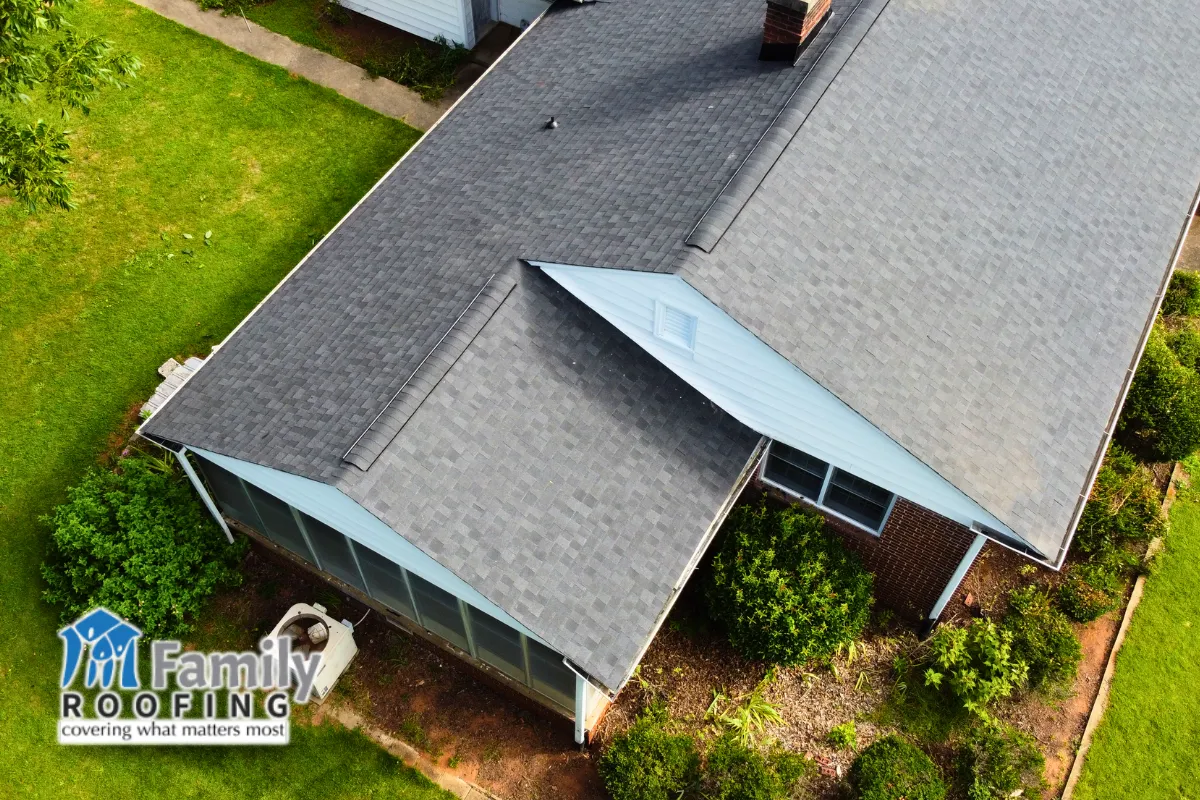
Anderson sits in Upstate South Carolina and experiences a humid subtropical climate that puts constant pressure on roofing materials. Understanding the local weather is a key factor in knowing how often to get your roof checked.
Summers bring intense UV exposure and high heat that dry out sealants, accelerate granule loss on asphalt shingle surfaces, and cause thermal expansion in metal panels. Humidity promotes algae, mold, and moss growth that slowly deteriorate underlayment and decking. Severe thunderstorms, high winds, and hail can compromise roofs in South Carolina during any month, though spring and summer see the highest frequency. Even hail smaller than one inch can bruise shingles, weakening their protective layer without leaving obvious marks from the ground.
Wind uplift can weaken roofing components during storms by lifting shingle tabs, loosening fasteners, and exposing the underlayment to moisture. Heavy rainfall can create vulnerabilities in roofing systems, particularly around flashing, valleys, and roof edges where water pools or flows at high volume. These weather conditions make it critical to work with a roofing contractor familiar with Anderson County’s storm patterns, someone who knows where to look and what subtle damage actually means for the long-term health of your roof.
Recommended Inspection Schedules by Roof Age and Material
The right inspection frequency depends on what your roof is made of, how old it is, and how well it was installed. Here is a practical breakdown:
Asphalt shingle roofs are the most common material in Anderson. Asphalt shingle roofs last 20 to 30 years under normal conditions, with three-tab varieties trending toward the lower end and architectural shingles lasting longer. For roofs under 15 years, annual inspections are usually sufficient. Roofs nearing 20 to 30 years may need more frequent inspections, ideally every six months, to catch accelerating deterioration.
Metal roofing can last significantly longer than asphalt shingles, often 30 years or more with proper care. A professional inspection every one to two years works for most metal roofs, with additional checks after storms to evaluate fasteners, seams, and edge terminations.
Premium roofing materials like tile, slate, or cedar shake may have lifespans of 30 to 50 years, but the underlayment and flashing beneath them can fail much sooner. Complex roof designs with steep slopes, multiple valleys, or numerous penetrations also justify more frequent professional checks.
Beyond material, these factors call for inspections every six months:
- Prior roof repair or patch history
- Heavy tree coverage over the roof
- Poor attic ventilation or insulation issues
- An old house with original roofing components
Commercial roofs should be inspected at least twice a year as well, though commercial buildings and commercial property owners often follow different maintenance protocols than residential homeowners. Older roofs may require more frequent inspections regardless of material type.
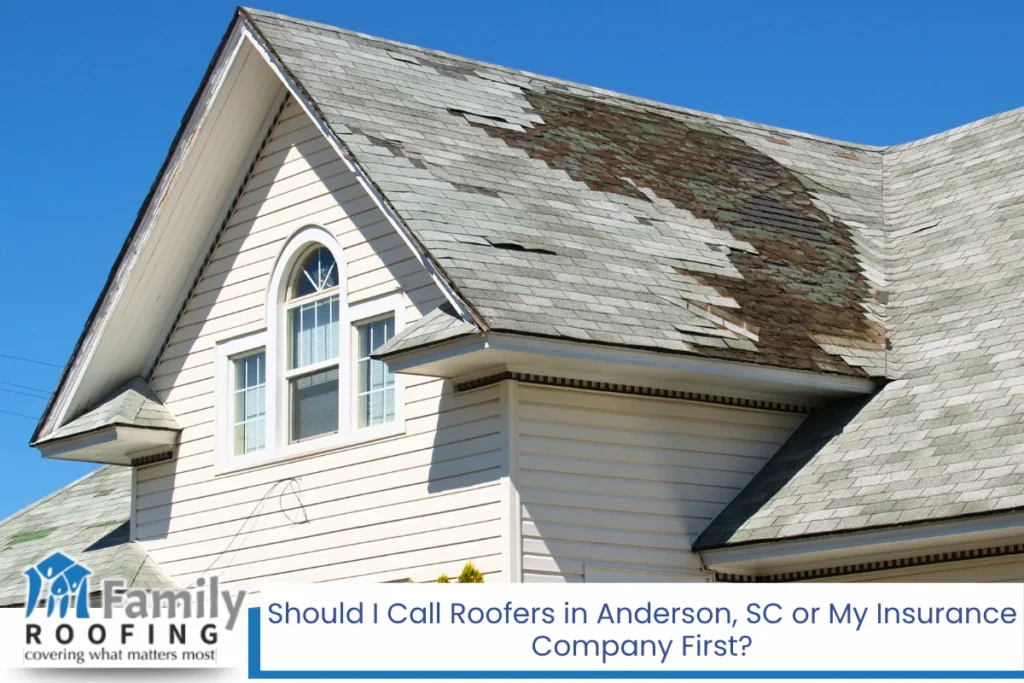
Read Should I Call Roofers in Anderson, SC or My Insurance Company First?
Annual, Seasonal, and Post-Storm Roof Checks
A practical maintenance plan combines three layers of attention: annual professional inspections, seasonal homeowner checks, and post-storm evaluations.
Annual professional inspection: This is the foundation. A thorough evaluation covers the exterior surface, attic interior, drainage, and ventilation. The roofer walks or uses drone technology to examine every section of the roof, then inspects the attic for moisture, daylight gaps, and insulation condition. Annual inspections help identify emerging issues early, before they develop into serious problems.
Seasonal homeowner checks: In spring, walk the perimeter of your home and look for missing shingles, debris accumulation, and any visible damage from winter. Fall inspections prepare roofs for winter conditions and falling debris by clearing leaves from gutters and checking for loose flashing. These ground-level reviews take just a few minutes and can alert you to problems worth a professional evaluation.
Post-storm inspections: After hail, fallen limbs, or unusually high winds, call a roofing contractor promptly. Regular inspections are recommended after severe weather events because storm damage is not always visible from the ground. A professional can identify compromised areas that look fine to the untrained eye, and documenting this damage quickly supports the claims process with your insurance company.
Combining these three approaches gives your roof the best long-term protection and helps you avoid surprises.
What Professional Roofers Look for During an Inspection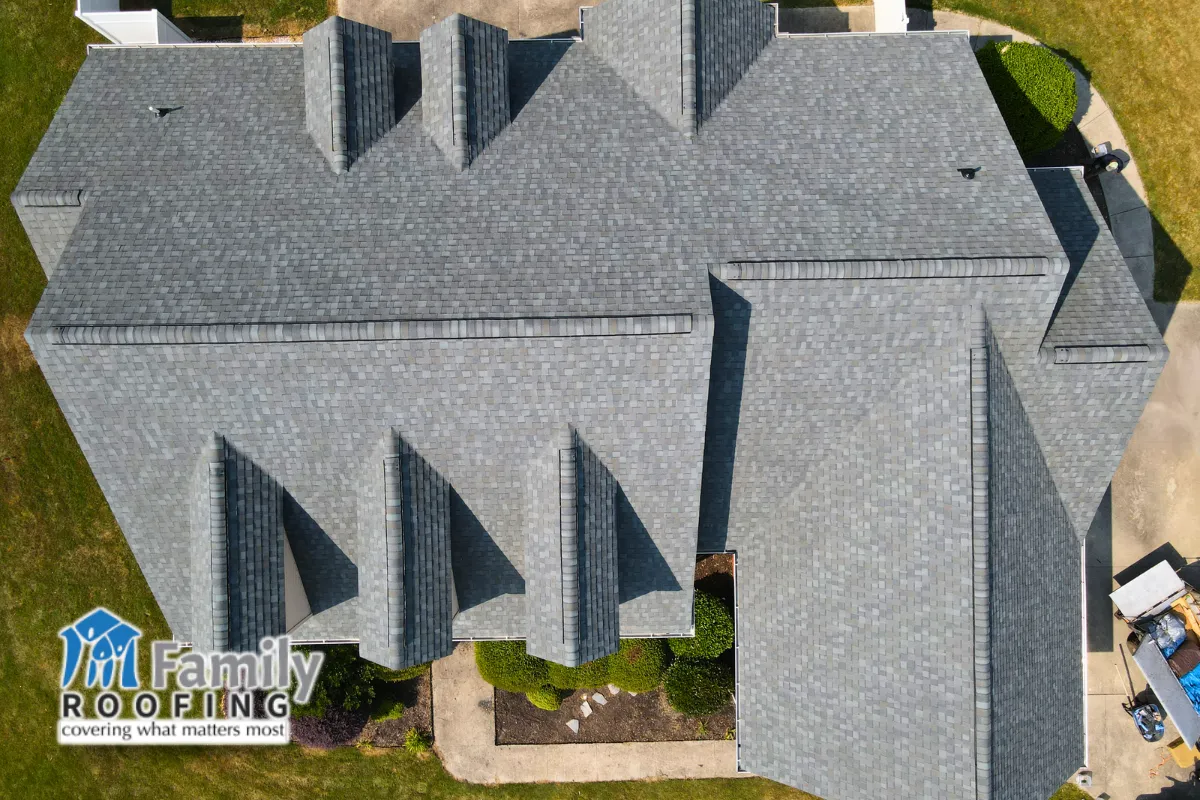
A thorough professional inspection goes well beyond what any homeowner can safely see from the ground. Here is what experienced roofers evaluate:
Exterior checklist:
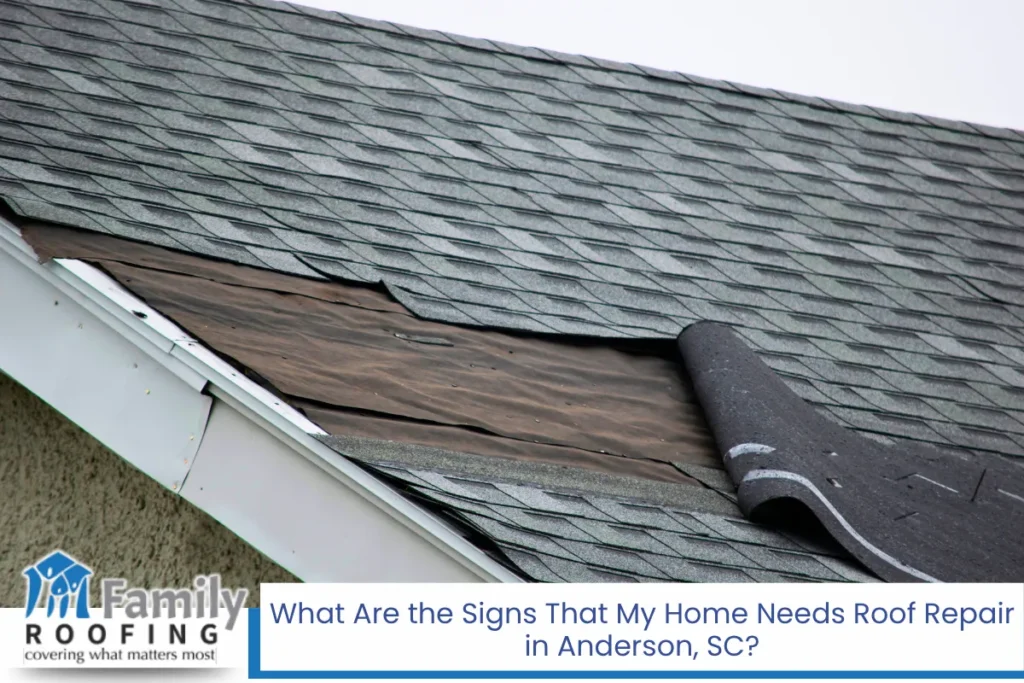
- Shingle condition, including missing or damaged shingles, curling shingles, cracking, and blistering
- Flashing around chimneys, vents, skylights, and walls
- Ridge caps and roof edges
- Pipe boots and sealant integrity
- Valley condition and debris accumulation
- Metal panels, fasteners, and seam integrity on metal roofing systems
Interior and attic checklist:
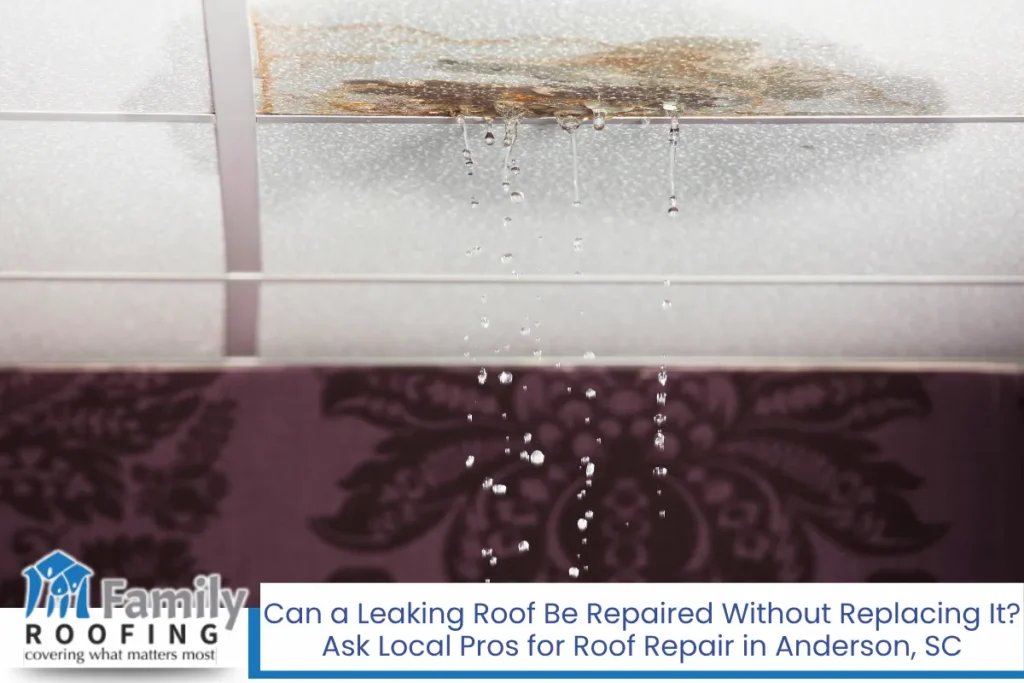
- Water stains on ceilings or attic surfaces, which indicate potential roof leaks
- Mold, mildew, or musty odors
- Daylight visible through the roof deck
- Damp or compressed insulation
- Signs of structural movement or deck softness
Drainage elements:
- Gutters and downspouts for blockages
- Fascia boards for rot or water damage
- Proper water shedding away from the foundation
Missing shingles can expose the roof to moisture, and curling shingles are a sign of aging or damage that needs attention. Licensed and insured roofers document findings with photos and written notes, creating detailed documentation that can help with future insurance company conversations or resale negotiations.
How Regular Roof Inspections Prevent Costly Repairs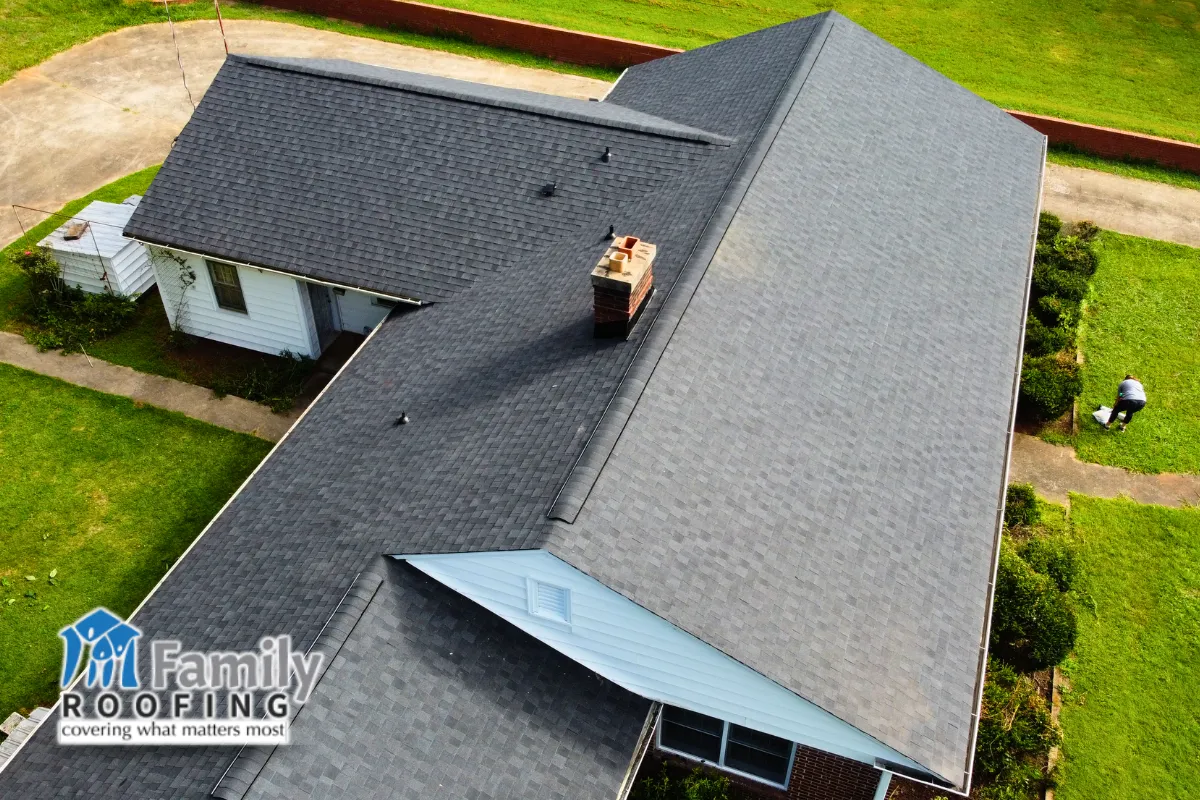
The financial logic of regular roof inspections is straightforward: small problems caught early cost a fraction of what they become when ignored. A few missing shingles or a strip of loose flashing might cost a couple hundred dollars to fix. Leave them unaddressed, and you could be looking at rotten decking, interior water damage, mold remediation, and even partial structural repairs that run into thousands.
Regular inspections can extend a roof’s lifespan by identifying issues before they spread. Proper maintenance can prevent minor issues from escalating into situations that demand a complete roof replacement. Consider that approximately 30 percent of insurance claims are due to leaking roofs, many of which could have been caught and resolved with a timely inspection.
Proactive maintenance also helps maintain energy efficiency. When insulation stays dry and ventilation remains balanced, your cooling costs stay predictable during Anderson’s hot summers. A roof leak that saturates attic insulation forces your HVAC system to work harder, driving up utility bills per square foot of conditioned space.
A documented inspection history also shows that the homeowner has taken reasonable care of the property. This kind of record provides valuable insights during insurance evaluations and can support some insurance claim scenarios, particularly when distinguishing between storm damage and normal wear.
DIY Visual Checks vs. Professional Roof Inspections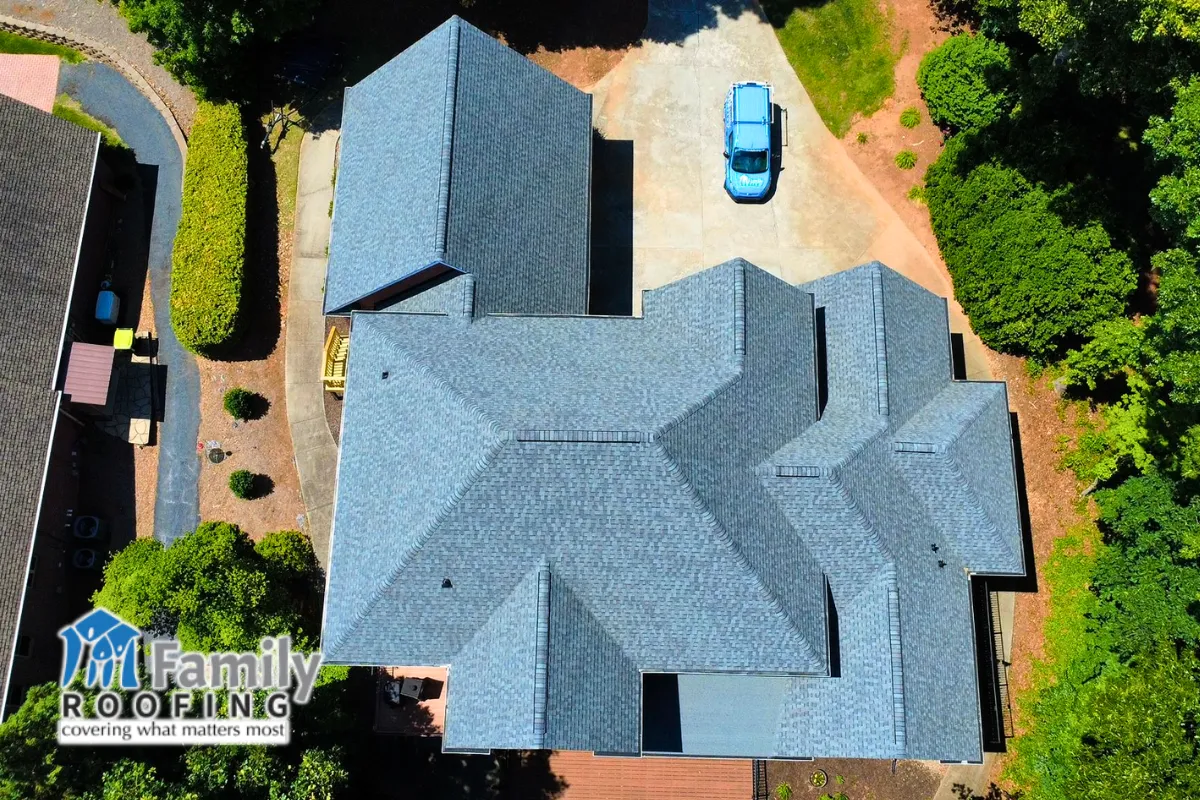
Homeowners can and should perform simple, safe checks on a regular basis. But these are not a substitute for a professional inspection.
Safe homeowner tasks:
- Walk the perimeter and look up at the roof surface
- Use binoculars to spot missing or curling shingles
- Check ceilings and walls for water stains or peeling paint
- Monitor the attic for moisture, musty smells, or daylight gaps
- Look for excessive shingle granules in gutters, which suggest roof wear
Why professional inspections matter:
Climbing on the roof is dangerous for untrained individuals and may risk damaging roofing materials or voiding certain warranties. Professional inspections provide unbiased evaluations of roof condition because trained eyes know how to read subtle warning signs that homeowners typically miss. Visible storm damage may not be obvious from the ground, and storm damage is not always visible from the ground even to attentive homeowners. A roofing professional has safety equipment, code knowledge, and the experience to evaluate the roof’s ability to perform under future weather conditions.
A balanced approach works best: homeowners perform quick visual reviews monthly, while professional inspections by a qualified roofing company occur on the recommended schedule based on roof age and material.
Roof Inspections, Home Sales, and Insurance Requirements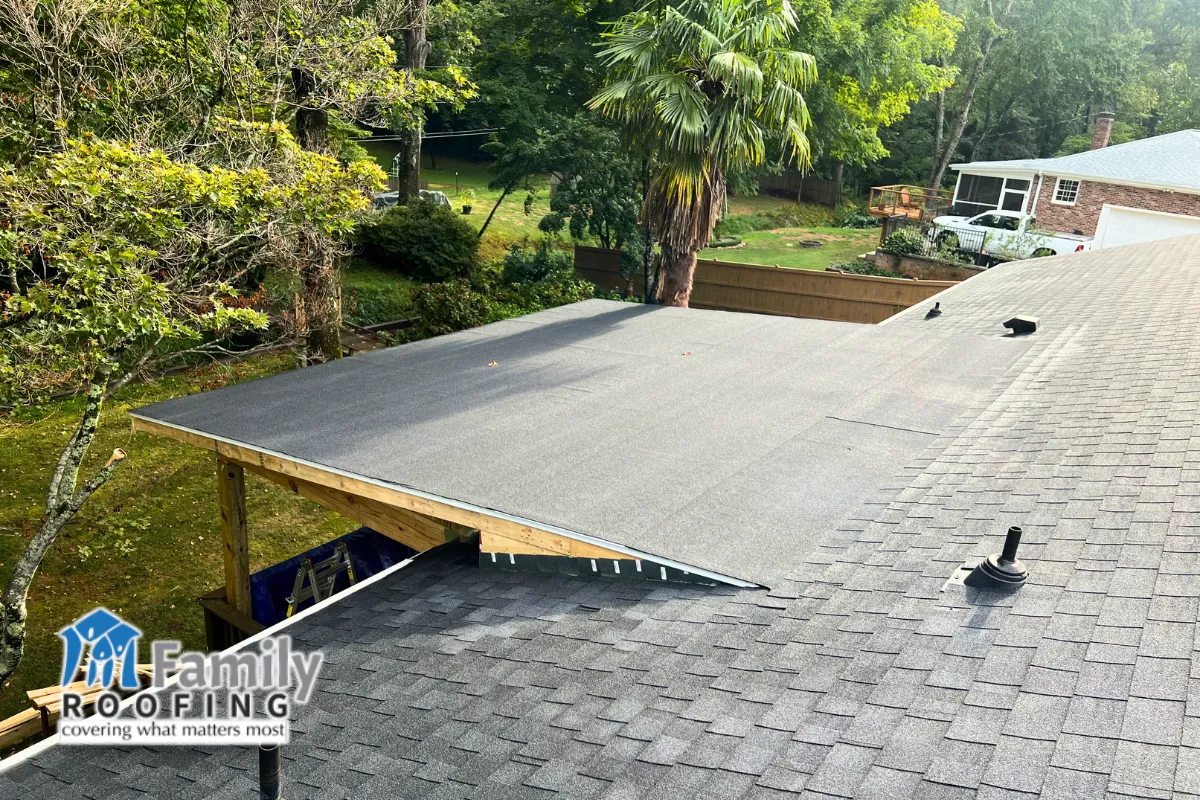
Roof condition plays a significant role in real estate transactions and insurance underwriting in Anderson. Guidelines recommend a professional roof inspection before buying or selling a home, and skipping this step can create costly surprises during a buyer’s home inspection.
A pre-listing roof inspection helps sellers identify and address issues before they become negotiation points. Buyers benefit from knowing the true condition of residential roofing services they are inheriting, including estimated remaining life and any recommended repairs. If you are selling an old house in downtown Anderson or anywhere in the surrounding area, a recent inspection report adds credibility and can speed up the closing process.
On the insurance side, many carriers request inspection reports after significant storms or when underwriting older homes. Insurance coverage decisions sometimes hinge on whether the roof meets current South Carolina building code standards. Having clear documentation from recent inspections, whether a free roof inspection or a paid assessment, makes it easier to discuss storm-related wind damage or roof damage with your insurance company and can streamline the claims process. Keep digital and printed records of every inspection for future reference, especially when coverage renewal or a roofing project comes up.
Choosing the Right Roofing Service for Inspections in Anderson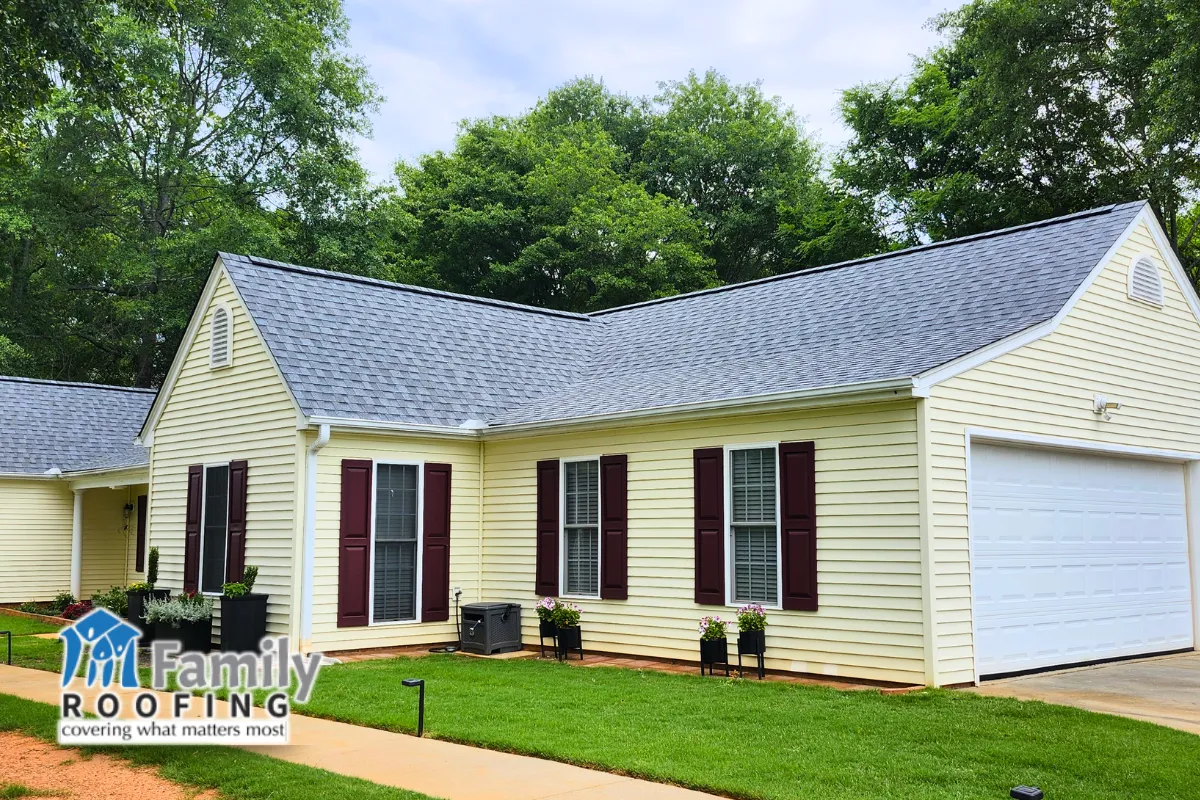
Working with a reputable local roofing service is essential for accurate inspections. A company that operates in Anderson County day after day understands the specific failure modes caused by local weather, knows which roofing materials perform best in the region, and stays current on South Carolina building codes.
When evaluating a roofing company, look for these qualities:
- Fully licensed and insured under South Carolina law, verifiable through the State Licensing Board for Contractors
- Demonstrated experience with residential roofing in Anderson County neighborhoods
- Positive references, reviews, and a strong reputation, ideally verifiable through the Better Business Bureau
- Willingness to provide a written inspection summary with photos, repair recommendations, and estimated timelines
- Transparency about pricing, whether they offer free inspections or charge for detailed reports
Some companies provide free inspections as a way to build relationships, while others charge a fee for comprehensive documentation. Both approaches can be valuable depending on your needs. The important thing is that you receive a clear, honest evaluation of your roof’s condition along with actionable next steps.
Roofers in Anderson, SC – Call Family Roofing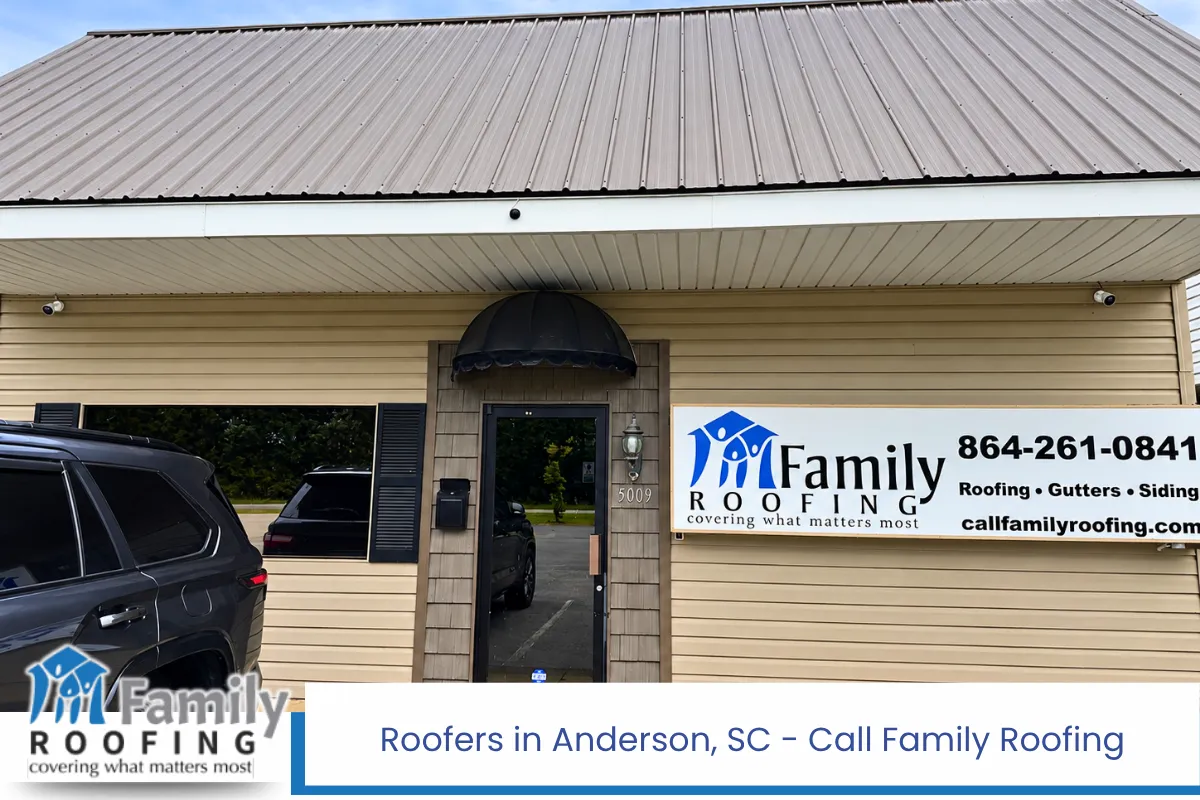
We are Family Roofing, your local roofers proudly serving Anderson and the surrounding communities. Our team handles everything from detailed roof inspections to full replacement and repair, and we bring firsthand knowledge of Anderson County’s storm patterns, humidity challenges, and the roofing materials that hold up best in this climate. We are fully licensed and insured, and every inspection we perform comes with honest assessments, clear explanations, and practical repair options designed to prevent costly repairs down the road.
Whether you need a seasonal checkup, a post-storm evaluation, or a pre-sale inspection, we are here to help. Call us at (864) 261-0841 or fill out our online contact form to schedule your appointment. We also offer a free roof inspection for homeowners who want to understand where their roof stands before committing to any roofing services. At Family Roofing, we treat every home like our own and every customer like family.
Frequently Asked Questions
How long does a typical residential roof inspection take?
Most single-family home inspections in Anderson take between 45 and 90 minutes depending on roof size, complexity, and whether attic access is included. A simple gable roof on a smaller home moves quickly, while a multi-slope design with dormers, skylights, and previous patch work takes longer to evaluate thoroughly. After the physical inspection, the roofer may need additional time to prepare a written summary, organize photos, and outline recommendations. Plan a small scheduling buffer in case unexpected issues require closer examination. Steep-pitch roofs or properties with limited attic access can also add time to the process.
Do I need to be home during a professional roof inspection?
Being home is helpful but not always required. If the inspection includes an attic evaluation, someone typically needs to provide interior access to the inspector. Many homeowners prefer to be present so they can ask questions in real time, see photos of any concerns, and get immediate verbal feedback on the roof’s condition. Some roofing companies can complete an exterior-only evaluation without the homeowner present, then follow up with a detailed report by email or phone. Confirm expectations when scheduling so you know whether the contractor requires you on-site or can work independently.
Can I schedule a roof inspection at the same time as gutter cleaning?
Coordinating these services is a smart move because clean gutters give the roofer a clearer view of drainage performance and potential water intrusion points. When the roof and gutters are evaluated together, the inspector can see whether clogged downspouts or overflow are contributing to fascia damage or moisture problems along the eaves. Ask your chosen roofing service whether they also handle gutter maintenance or can work alongside a separate gutter contractor. Pairing these visits during spring or fall saves time and makes yearly exterior maintenance more efficient, helping you stay on top of your overall home maintenance schedule.
What signs mean I should not wait for my next scheduled inspection?
Several warning signs indicate you need an earlier evaluation. Inside the home, watch for new water stains on ceilings, peeling paint near rooflines, or a persistent musty smell in the attic. Outside, look for missing or curling shingles scattered in the yard, sagging areas on the roof surface, or an unusual amount of shingle granules collecting in gutters. Flashing that appears bent or displaced after a storm is another red flag. A sudden roof leak, even a small one, should prompt an immediate call. Delays in addressing these symptoms almost always lead to more extensive and more expensive damage.
What kind of report should I expect after a professional roof inspection?
A quality inspection report includes a written summary of the roof’s overall condition, photographs of specific areas of concern, and prioritized repair recommendations. Some roofers also provide an estimated remaining service life for the roofing system under normal weather conditions, which is useful for long-term planning. The report may include pricing ranges or formal proposals for specific repair items depending on the company’s practices. Keep these reports filed with your other home documents. They serve as valuable references during resale negotiations, insurance conversations, and future decisions about whether to pursue a roof repair or move toward a full replacement.
Disclaimer
This article provides general informational guidance about roof inspection frequency and maintenance in Anderson, SC. It does not constitute legal, building code, or insurance advice. Homeowners should consult licensed local professionals for evaluations specific to their roof condition and applicable regulatory requirements.