Residential Roofing and the Real Cost Question
Residential roofing in Anderson, SC forces homeowners to weigh an uncomfortable tradeoff: pay less now or pay less over the life of the house. With Anderson’s humid subtropical climate pushing roof temperatures past 150 degrees in summer, frequent thunderstorms ripping at flashing and edges, and utility bills climbing every July, the roofing material you choose affects more than just your bank account on installation day.
Asphalt shingles cost less to put on. Metal costs more upfront but lasts two to three times longer. This article breaks down the 2025 to 2026 installed price ranges, local code rules, energy bills, storm performance, and resale value for both materials so SC homeowners can stop guessing and start comparing with real numbers.
Key Takeaways
- In Anderson, SC, asphalt shingles cost $4.50 to $6 per square foot installed, while metal roofs cost $9 to $14 per square foot, making shingle installation cheaper upfront on most homes.
- Over 30 to 50 years, a metal roof can cost less overall because it lasts 40 to 70+ years and avoids the two full replacements that shingle roofs typically require in the same period.
- South Carolina code may allow a new roof over one layer of sound existing shingles, which can reduce tear off costs and narrow the price gap for anderson metal roofing projects.
- The best choice depends on how long you plan to stay, your budget, roof complexity, insurance considerations, and resale plans.
Is It Cheaper to Install a Metal Roof or Shingles in Anderson, SC?
The short answer: asphalt shingles are cheaper to install on most Anderson homes. Asphalt shingles generally have a lower upfront cost than metal roofs, running $4.50 to $6 per square foot installed in the Anderson area. A standing seam metal roof runs $9 to $14 per square foot installed for the same area.
On a typical single-family home, that means the metal roofing project costs roughly two to three times more than a comparable shingle installation. For budget conscious homeowners on a tight budget, shingles let you get a new roof on the house without stretching finances past their limit.
But “cheaper to install” and “cheaper to own” are two different calculations. Metal roofs can last 40 to 70 years with minimal maintenance, while asphalt shingles may need replacement every 15 to 30 years. If you plan to stay in your home for 20 or more years, the long term savings picture changes.
Current 2025 to 2026 Roof Installation Costs for Anderson, SC Homes
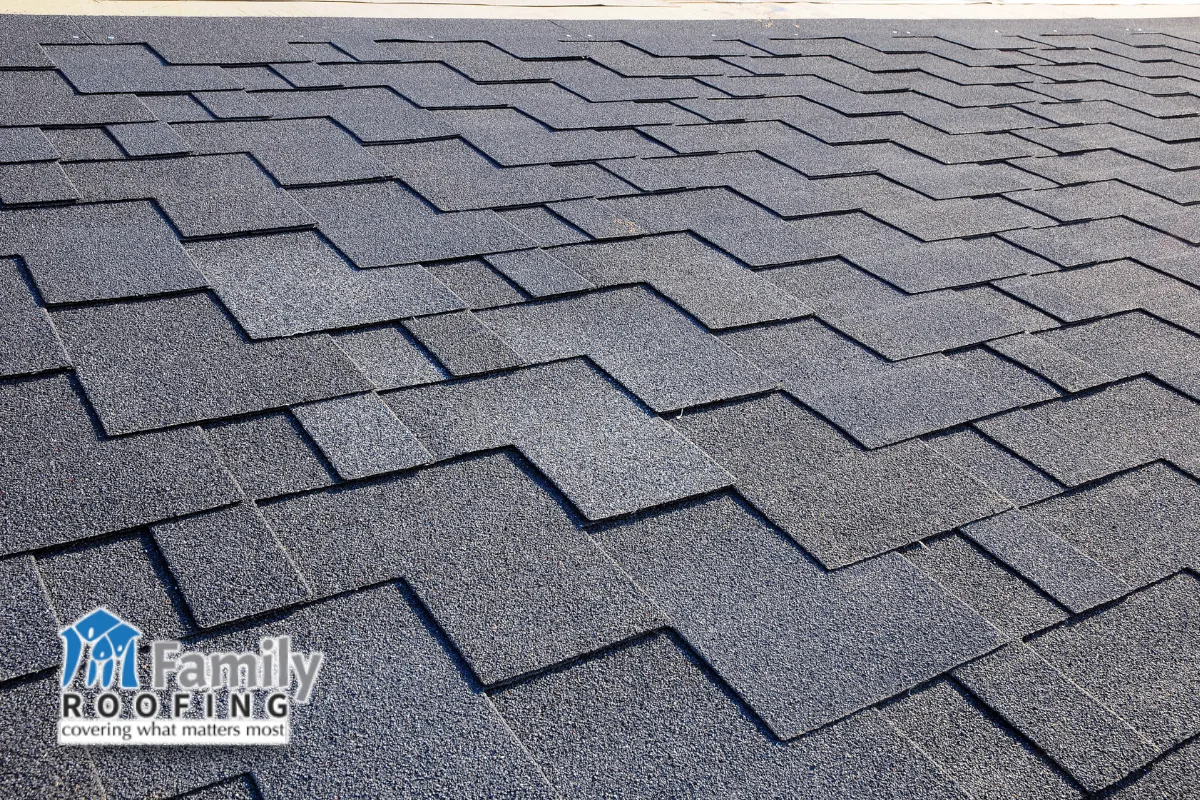
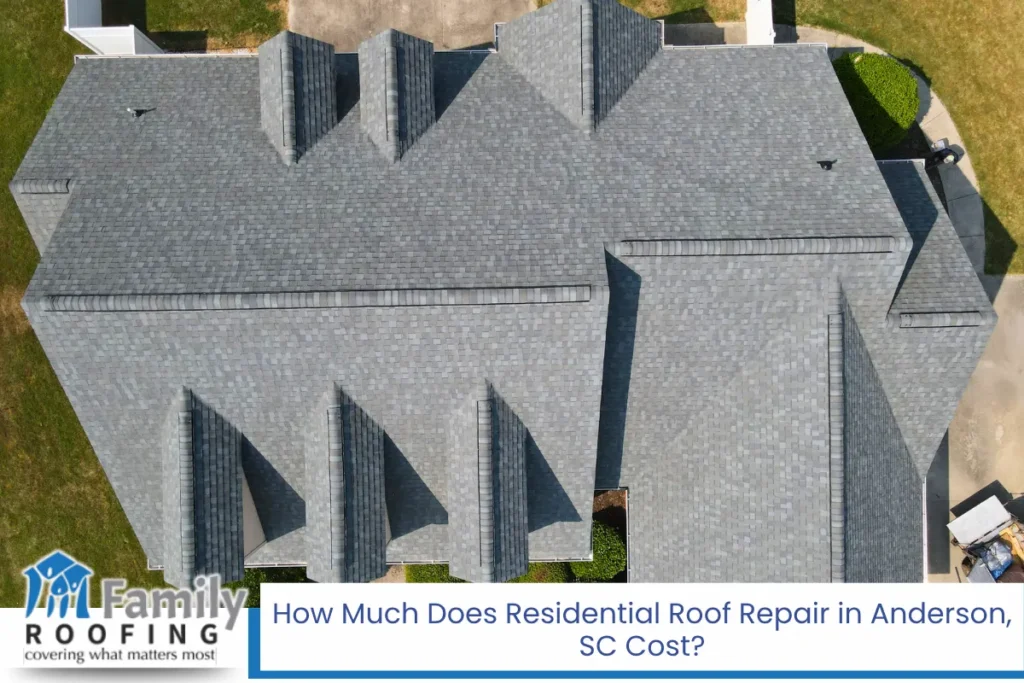
Costs in upstate South Carolina reflect local labor rates that run about 14 percent below the national average for residential roofing, plus regional material pricing and typical roof complexity. Roofing materials and labor are typically priced per “square,” equating to 100 square feet of roof area.
Here is what a 2,000 square foot moderately complex gable roof looks like in 2025 to 2026 pricing:
| Material | Low Estimate | Mid Estimate | High Estimate |
|---|---|---|---|
| Architectural shingles | $9,000 | $10,500 | $12,000 |
| Standing seam metal roof | $20,000 | $28,000 | $36,000 |
Metal roofs can cost $20,000 to $36,000 for a 2,000 square foot home, while shingle roofs typically cost $9,000 to $12,000 for the same size. Final quotes vary based on roof pitch, number of valleys, chimney penetrations, and accessibility. Premium metal profiles or designer color options push costs above those base ranges. An accurate quote requires a licensed roofing contractor to inspect the deck condition and measure the actual roof area, not just the floor plan.
What Makes One Anderson Roof Cheaper Than Another
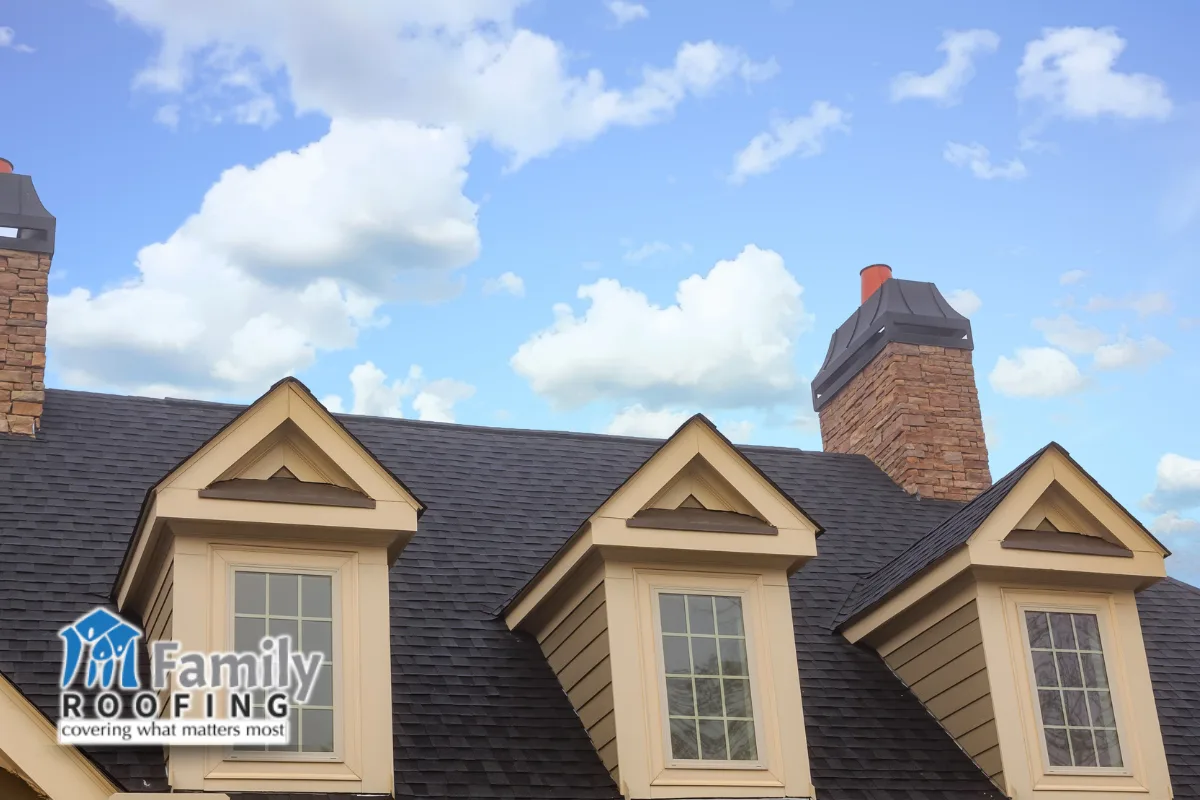
Material is only one of several factors that determine what a roofing project will cost. Major factors influencing roofing costs include materials and labor complexity.
Key cost drivers for residential roofs in the Anderson area:
- Roof size and total square footage of the surface area, not the home’s floor plan
- Roof complexity and slope: hips, dormers, chimneys, skylights, and multiple valleys
- Whether a full tear off of old materials is needed or an overlay is possible
- Underlayment type, flashing requirements, and deck repairs
- Local labor rates and crew availability during peak storm season
Metal roofing requires specialized installation and higher labor costs than shingle roofing options. Complexity hits metal projects harder because each hip, valley, and penetration requires custom trim pieces and precise flashing. Steep-slope roofs require additional safety equipment and slower work, increasing the labor portion for both materials. Code-required upgrades like improved ventilation, rotted deck replacement, or flashing to masonry can shift the price comparison for both roof types.
Metal Roof vs Shingles Over 30 to 50 Years
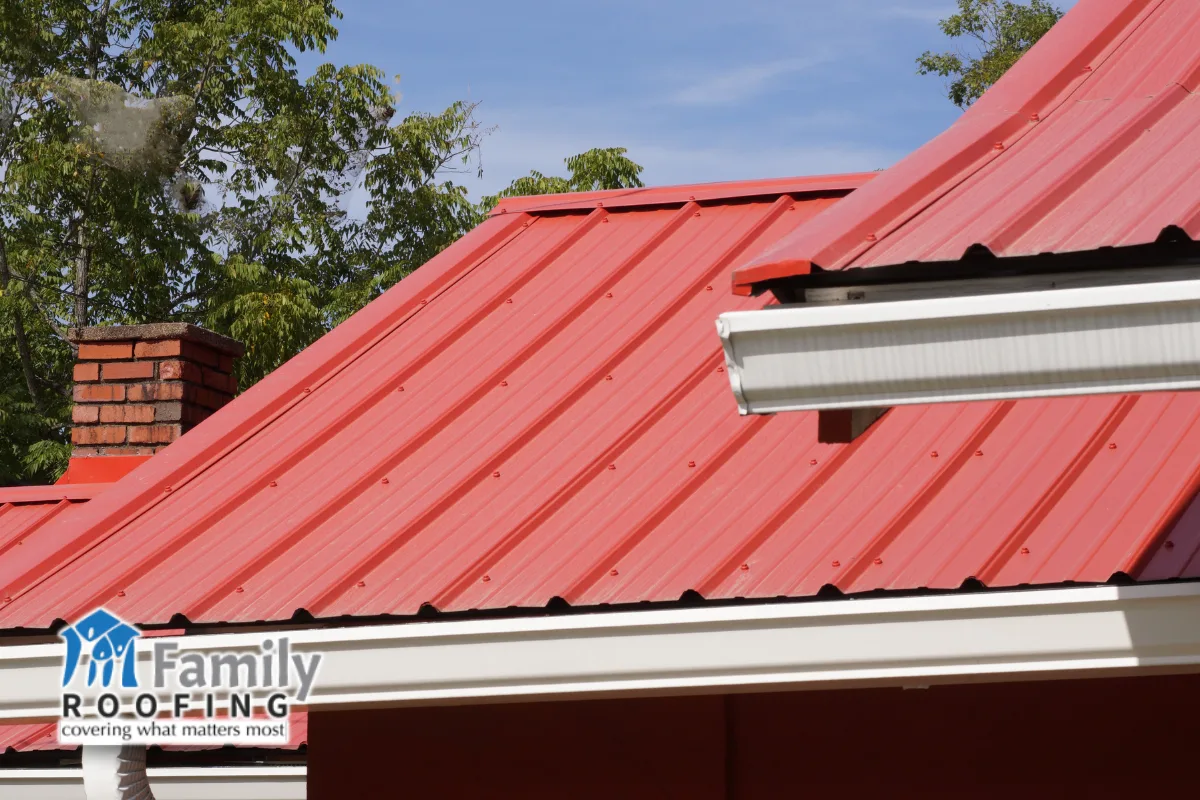
Focusing only on the installation day price misleads many homeowners. The real cost question is: what will you spend over the full ownership period?
Asphalt shingles last 15 to 30 years. Under Anderson’s heat and humidity, architectural shingles realistically perform for 22 to 28 years before a full replacement is needed. Metal roofs can last 40 to 70+ years. Some premium metal roofs exceed 100 years in lifespan when properly maintained. Over a 50-year window, shingles may need two replacements, each carrying tear off costs, disposal fees, permits, and potential deck repairs. A single metal roof covers the same period with far fewer interventions.
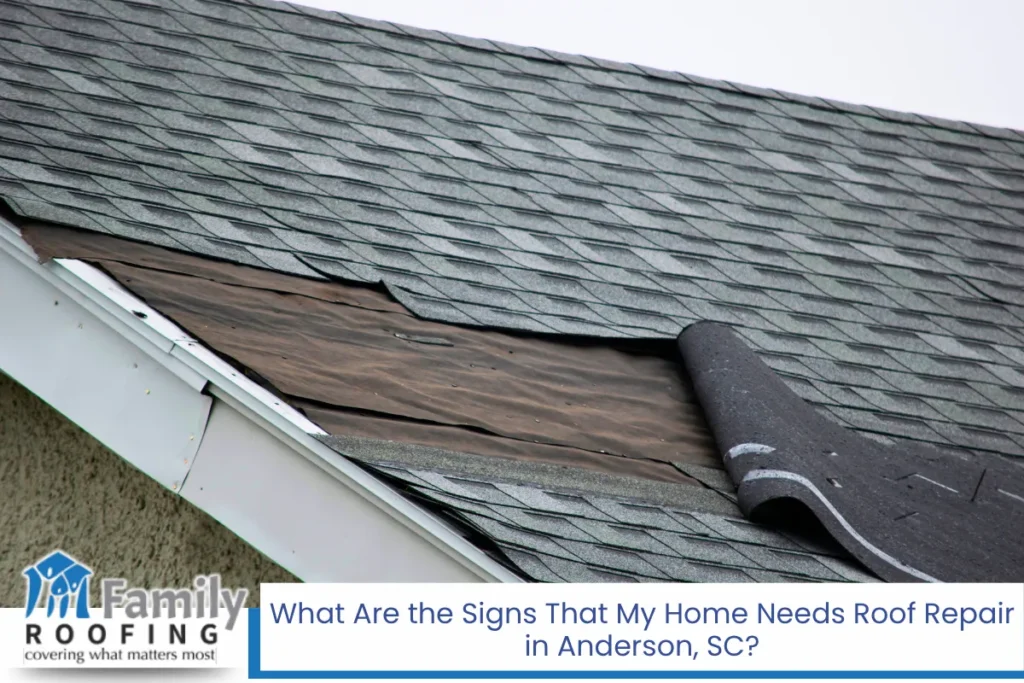
Metal roofs require less maintenance than asphalt shingles. Shingle roofs need periodic patching of damaged shingles and missing shingles blown off by wind, plus granule loss monitoring. Algae growth on shingles can require cleaning every few years in Anderson’s humid climate, and dark colored shingle surfaces tend to shorten shingle life under sustained UV exposure. Metal panels resist algae growth and do not lose granules because they have none to lose.
From an environmental perspective, metal roofs are typically made from recycled materials and are 100 percent recyclable at the end of their lifespan. Asphalt shingles contribute heavily to landfill waste after removal, adding disposal costs and landfill waste each time an old roof comes off.
When you total up two shingle replacements against one metal installation, the lifetime cost per year often favors metal for homeowners who stay put 15 to 20 years or more.
Energy Efficiency, Comfort, and Utility Bills in the Anderson Area
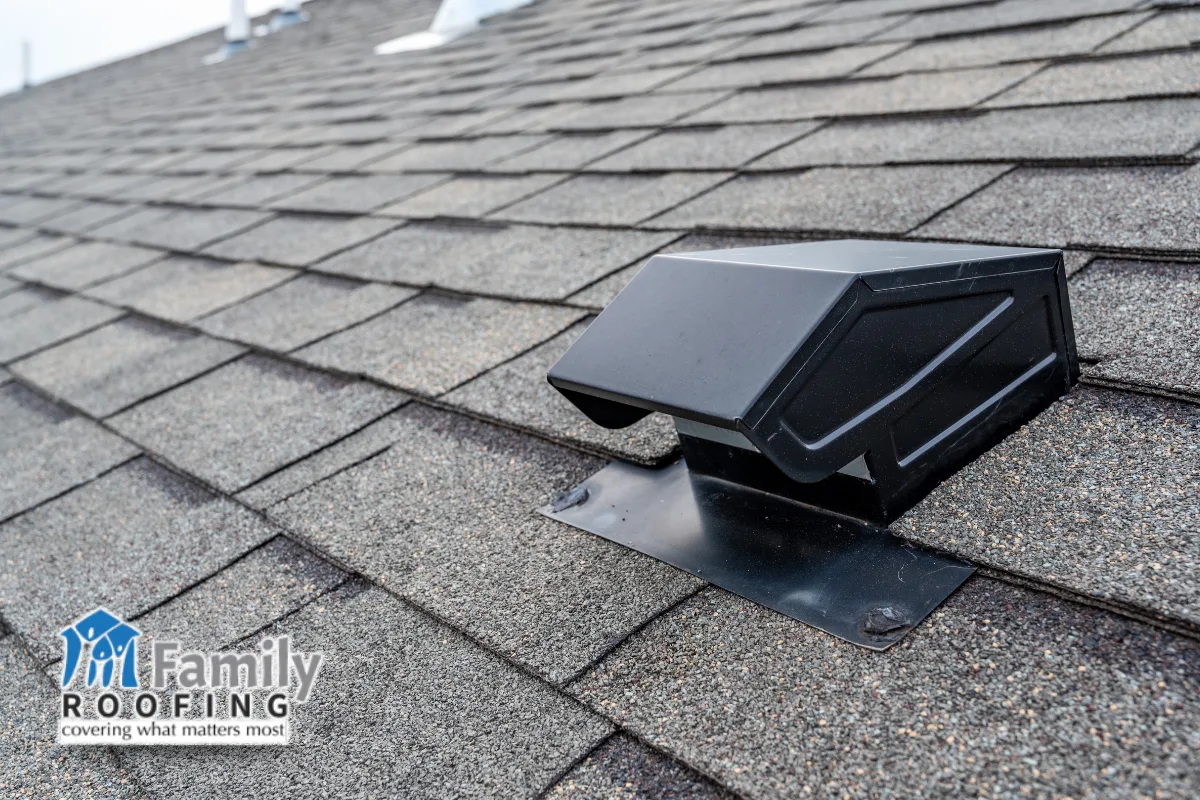
Anderson’s summers push attic temperatures well above 130 degrees under a dark asphalt roof. Dark asphalt shingles can reach surface temperatures of 150 degrees Fahrenheit on a sunny July afternoon. That heat transfers through the deck and into the living space, forcing air conditioning systems to work harder.
Metal roofs can reduce heat absorption by up to 40 percent compared to standard asphalt. Cool metal roofing reflects up to 70 percent of the sun’s energy, while light-colored asphalt shingles typically reflect only 20 to 30 percent. Reflective coatings on metal roofs keep attics cooler, which directly reduces the load on HVAC systems. Metal roofs can lower cooling bills by 7 to 15 percent depending on roof color, orientation, insulation, and ventilation setup.
“Cool roof” asphalt products exist, but their solar reflectance index cannot match the performance of painted metal systems. Proper attic ventilation and adequate insulation amplify the benefits of both roofing materials, but the gap in energy efficiency between metal and shingle roofs remains consistent across comparable installations. Those energy savings accumulate year after year, partially offsetting the higher upfront cost of a metal roof.
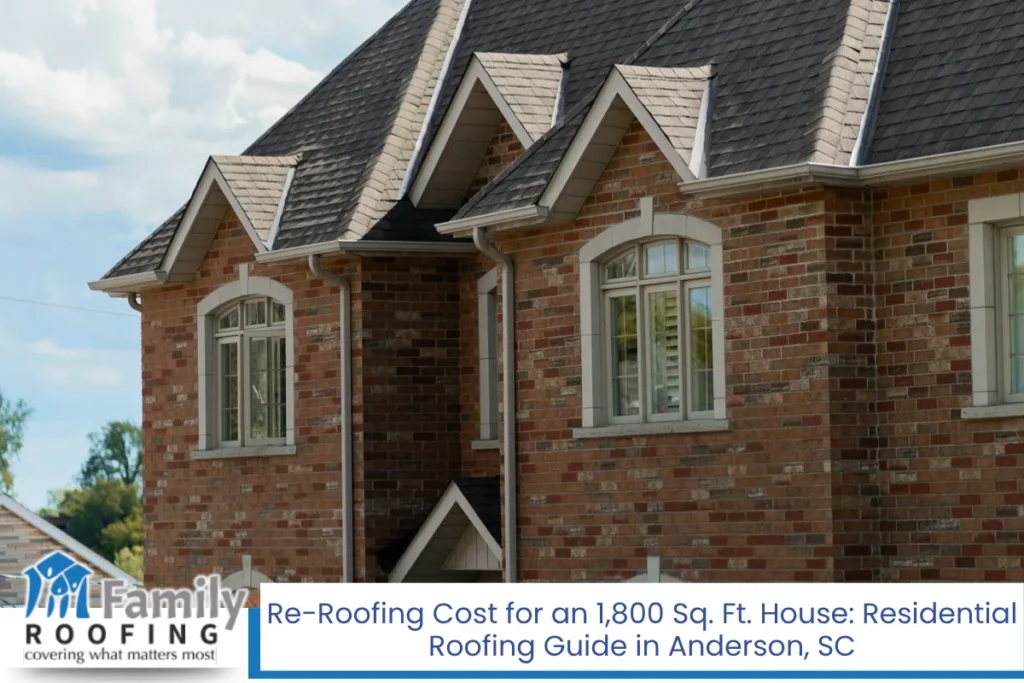
Read Re-Roofing Cost for an 1,800 Sq. Ft. House: Residential Roofing Guide in Anderson, SC
Anderson, SC Codes, Tear Off Rules, and Installing Over Existing Shingles
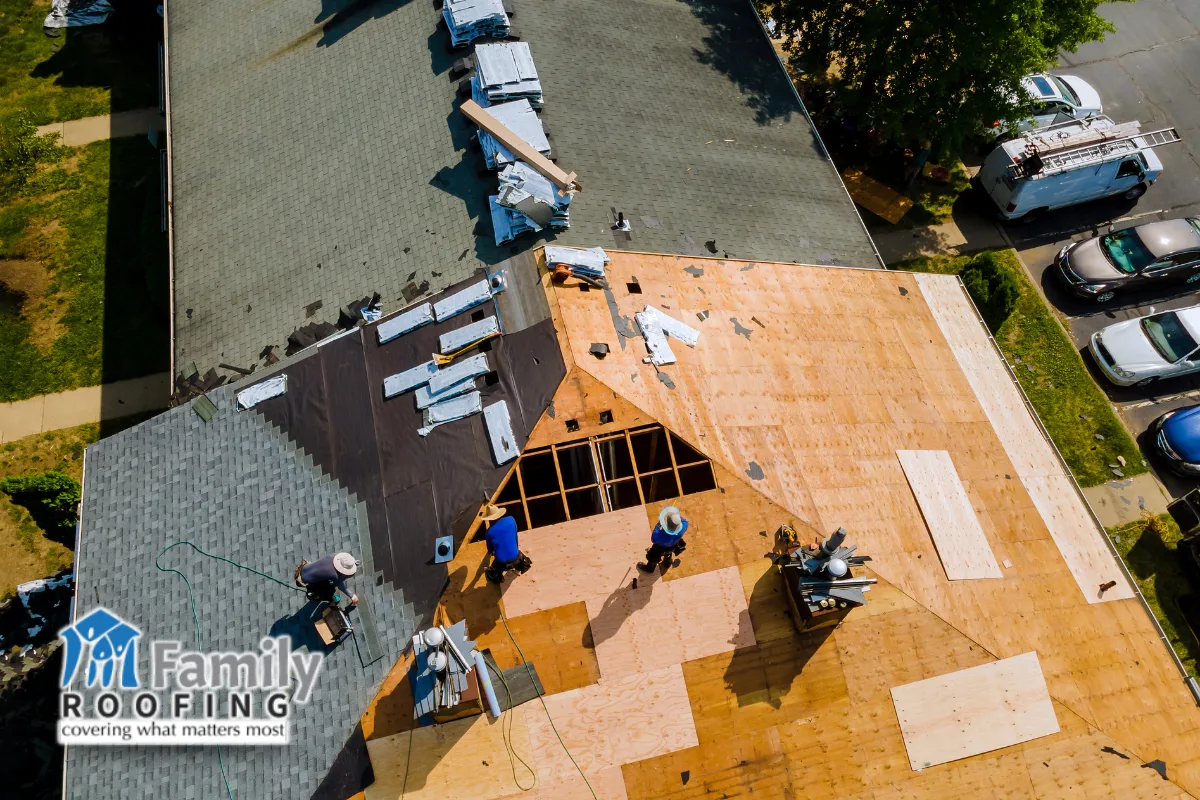
Residential roofing in Anderson is governed by the 2021 South Carolina Residential Code (SCRC), which adopts the 2021 International Residential Code (IRC) with state-specific modifications approved by the South Carolina Building Codes Council. Anderson County building requirements govern permits, inspections, and attachment standards for all roof replacement work.
In plain terms: South Carolina code generally allows a new roof over one layer of sound existing shingles, provided the deck is structurally intact and free of water damage. Overlay removing the need for full tear off can save on debris disposal fees and labor hours, improving the cost comparison for metal installations. However, code officials may require a tear off when there are signs of leaks, rot, sagging, or when two layers already exist.
Manufacturer warranties and certain grant programs, including state housing rehabilitation standards, often require removal down to the bare deck regardless of code minimums. Installing an overlay without addressing underlying moisture or structural damage can compromise manufacturer warranty terms and lead to hidden deck deterioration.
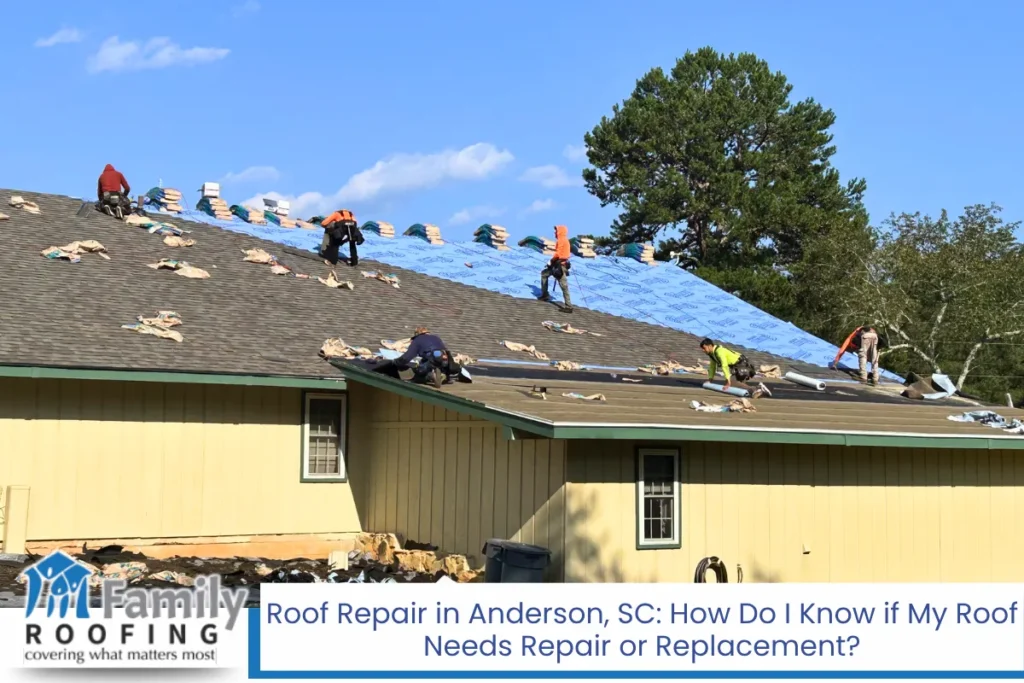
The safest approach: rely on a licensed roofing contractor who pulls proper permits and confirms compliance with a professional inspection before work begins. This protects the homeowner from costly surprises and ensures the new roof meets both code and warranty requirements.
Durability, Storm Performance, and Insurance Considerations
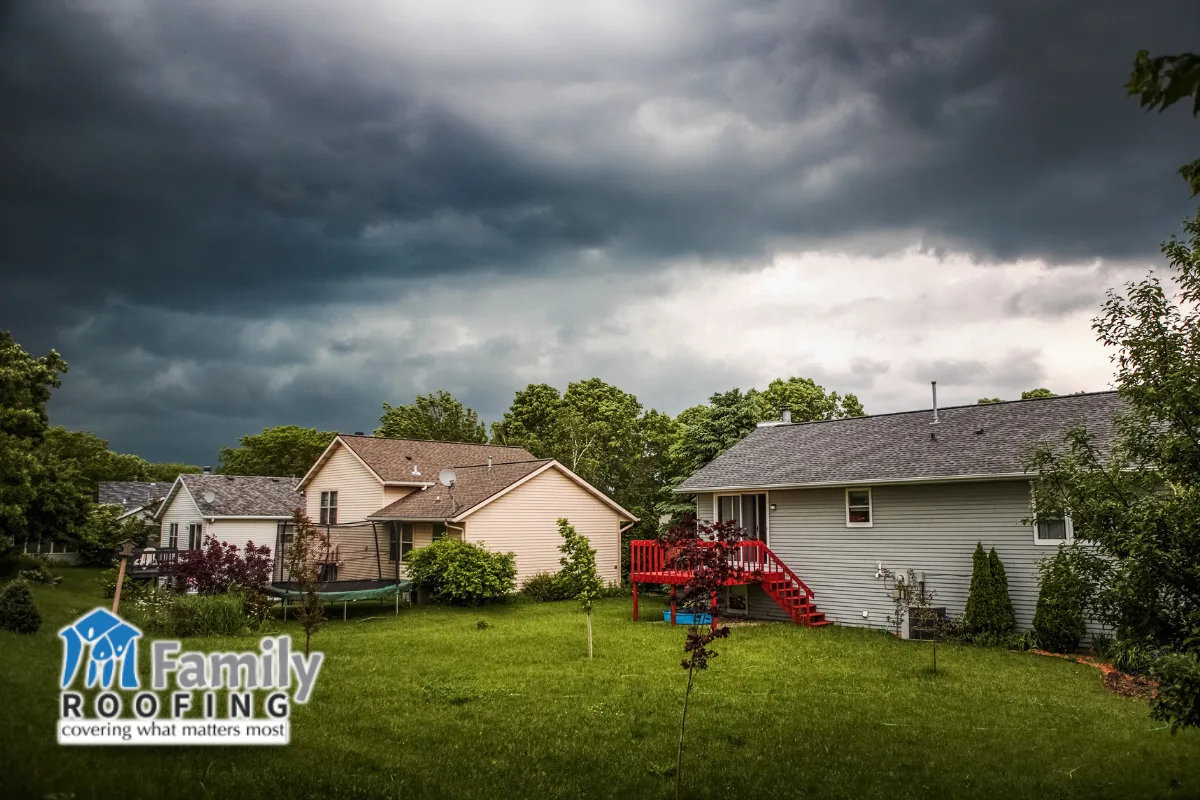
Anderson sits in a region affected by summer thunderstorms, occasional hail, high winds, and tropical storm remnants. Anderson experiences a humid subtropical climate, impacting roofing longevity for both metal and shingle systems.
Metal roofs are more resistant to hail and wind damage than asphalt shingles. Standing seam metal panels typically achieve wind ratings above 140 mph when properly installed, while architectural shingles are rated for 110 to 130 mph with correct fasteners and underlayment. Metal roofs are less prone to storm damage than shingles, which can suffer granule loss, cracking, and blow-offs during severe weather. Proper installation is critical for both materials to perform at their rated levels.
Insurance premium discounts may be offered by certain South Carolina carriers when installing qualifying impact-resistant roofing systems meeting UL 2218 Class 4 or IBHS FORTIFIED standards.Some insurance company policies also offer reduced premiums for Class 4 impact-rated asphalt shingles, though the discount is typically smaller. Homeowners should ask their insurance agent whether upgrading roof type could change premiums, deductibles, or insurance claims outcomes over time. Those insurance savings can offset a meaningful portion of the higher metal upfront cost.
Roofing Options, Curb Appeal, and Resale Value in Anderson Neighborhoods
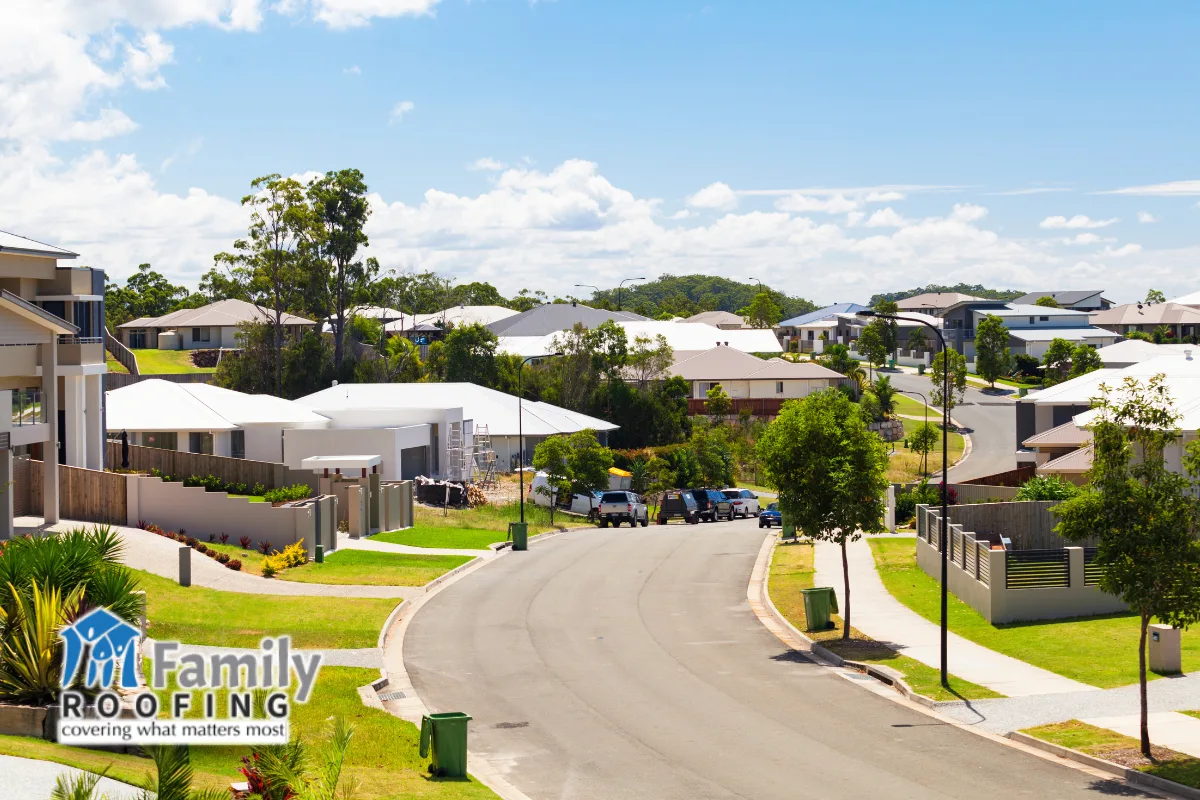
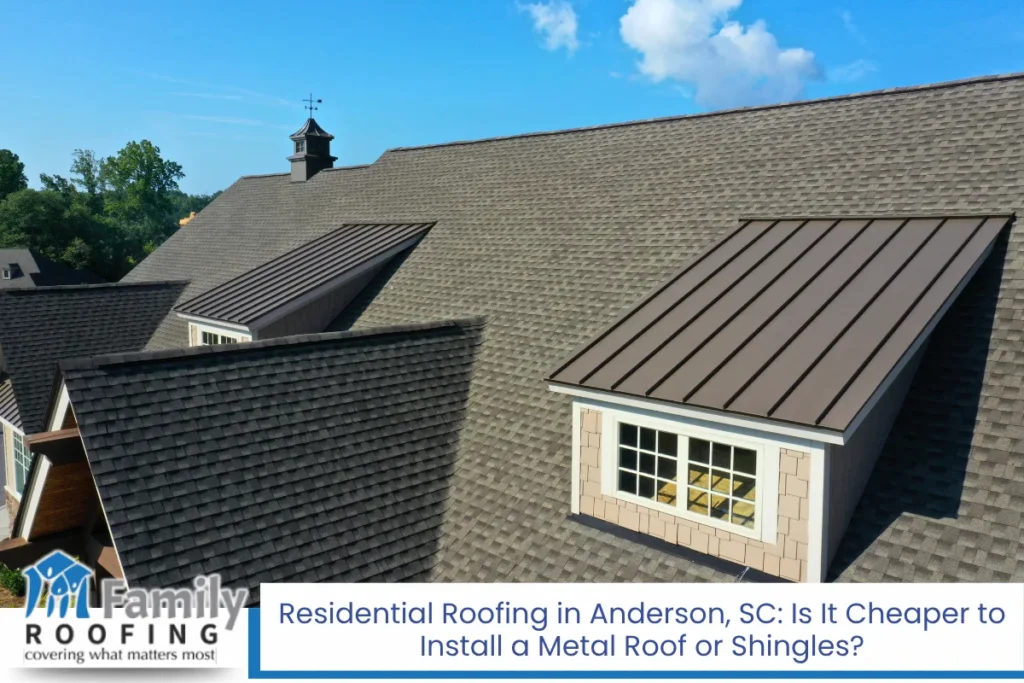
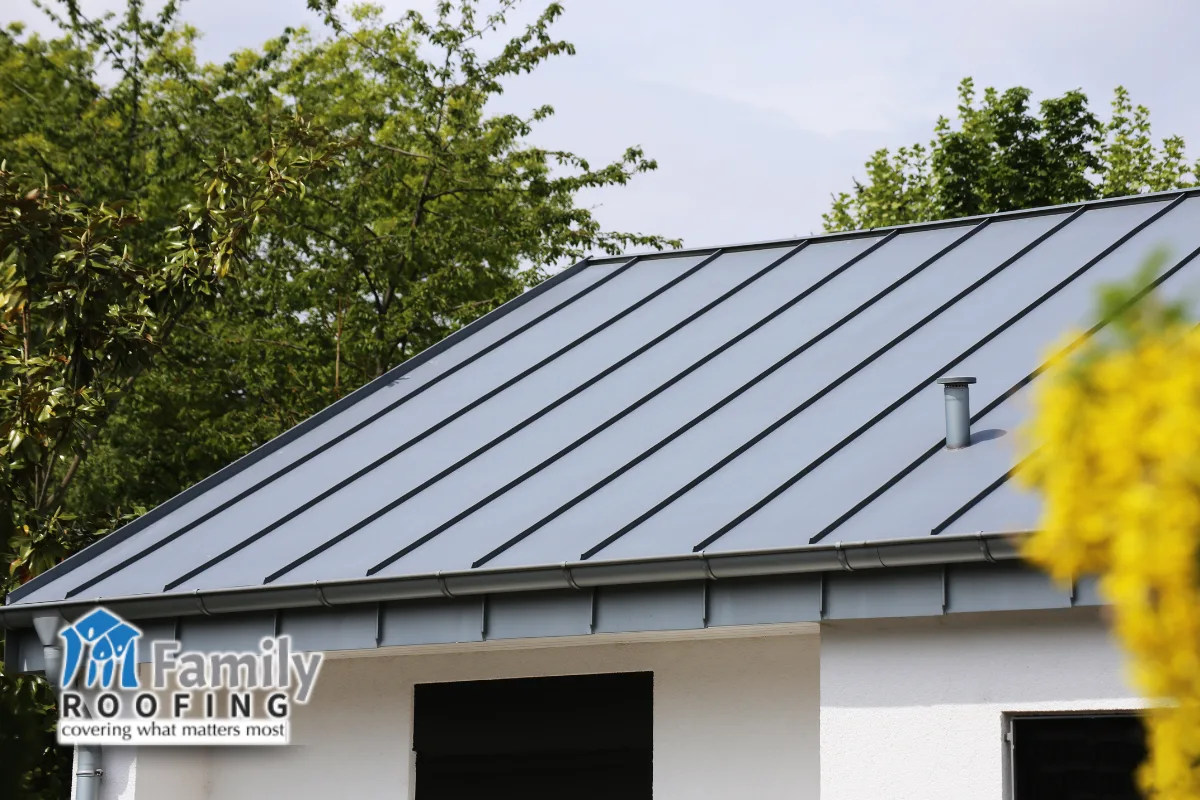
Roof style and color shape first impressions. Architectural shingles offer a traditional, layered look that fits most Anderson neighborhoods. A standing seam metal roof or metal shingle profile provides clean, modern lines and comes in a wide range of designer colors and finishes.
Metal roofs enhance curb appeal and provide strong marketing power for listings. Homes with metal roofs sell faster than those with shingles, partly because buyers recognize the low maintenance and energy benefits. Metal roofs can recover about 48 to 60 percent of their cost at resale. Asphalt shingles recover about 55 to 65 percent at resale, reflecting their lower initial investment.
Before choosing, check for HOA rules or neighborhood covenants that may restrict visible metal profiles, specific colors, or exposed fastener systems. Metal shingles that mimic composite or wood shake often pass aesthetic appeal requirements in subdivisions where standing seam panels might not. Balancing personal taste, your long-term plans, and your budget ensures the new roof supports both everyday comfort and eventual resale value.
How Roof Complexity and Home Plans Shape the Cheaper Choice
“Best value” depends on two things: how long you plan to stay and how complicated your roof is.
Short-term scenario (moving within 5 to 10 years): Shingle installation makes more financial sense. You recover your investment through lower initial outlay, and the roof should perform well within that window. The metal roof worth equation does not usually pencil out unless insurance savings and energy bills close the gap fast enough.
Long-term scenario (staying 20+ years): A metal roof avoids a second full replacement cycle, reduces repair costs, and delivers energy savings that compound year after year. For many homeowners in this category, metal is the cheaper roof to own.
Simple gable roofs with few penetrations are more cost-effective to upgrade with metal because labor and trim work stay manageable. Very complex roofs with multiple dormers, valleys, and skylights push metal labor costs higher, which may shift the math back toward shingles. While commercial roofing decisions near Anderson weigh several factors differently, this comparison focuses on residential roofs.
The safest path to a confident decision: get an on-site inspection and written estimates for both roofing materials from a qualified roofing company. Comparing metal and shingle options side by side, with your specific roof size, slope, and condition accounted for, removes guesswork.
Residential Roofing in Anderson, SC – Call Family Roofing
We are Family Roofing, and we provide residential roofing throughout Anderson, SC and the surrounding upstate area. Our experienced team installs both metal and shingle roofs, and we help homeowners compare roofing options, roof complexity, and long term savings so nobody is guessing about the final bill. We offer free inspections, transparent pricing, and quality craftsmanship backed by proper licensing and insurance. Whether you need a full replacement, storm damage repair, or expert installation on a new construction project, we handle every step from permits to cleanup. Call us at (864) 261-0841 or fill out our contact form for a detailed, no-obligation roof consultation. We look forward to helping you protect your home with the right roof type for your budget and your roofing needs.
Frequently Asked Questions
How Often Should I Have My Roof Inspected in Anderson, SC?
Anderson’s mix of summer heat, humidity, thunderstorms, and occasional hail makes annual roof inspections a practical minimum. Schedule a professional inspection at least once per year, plus after any storm that drops visible debris or produces hail larger than a quarter. During an inspection, a qualified roofing contractor checks for cracked or lifted shingles, loose metal panels, damaged flashing around chimneys and vents, gutter condition, and attic signs of moisture or leaks. Catching a few missing shingles or a separated seam early usually costs a fraction of what a water-damaged deck repair costs later. Always use a contractor familiar with local code and typical Anderson roofing issues to ensure nothing gets missed.
Will a Metal Roof Make My Home Noisier in the Rain?
Modern residential metal roofs installed over solid plywood or OSB decking with quality synthetic underlayment are far quieter than the old open-frame barn-style metal structures most people picture. The combination of sheathing, underlayment layers, and attic insulation dampens rain and hail noise before it reaches living spaces. Most homeowners report little to no noticeable difference in indoor noise levels compared with asphalt shingle roofs. If you are sensitive to sound, ask your roofing contractor about high-density underlayment options designed for additional sound control. Noise concerns about anderson metal roofing are almost always rooted in experiences with agricultural or commercial buildings, not properly built residential systems.
Does a Metal Roof Affect Wi-Fi, Cell Service, or Other Signals?
A metal roof alone does not block home internet or cell service enough to cause problems for most families. Wireless signals enter through windows, doors, exterior walls, and other openings throughout the house, so coverage typically remains unchanged after a roof replacement. If your home already has weak indoor cell reception due to distance from a tower or thick wall construction, a metal roof may make that weakness slightly more noticeable. Inexpensive signal boosters or mesh Wi-Fi systems solve this for homes with streaming, smart devices, and home offices. Discuss any specific connectivity concerns with your roofing contractor during the planning stage, especially if you rely on a home office.
How Long Does Roof Replacement Usually Take in Anderson, SC?
An average asphalt shingle roof on a single-family home takes one to three days from tear off to final cleanup. Metal roof projects typically take longer, often three to five days or more, because panels may need custom fabrication, trim work is more precise, and flashing details require extra attention. Weather delays, building inspections, and any discovered deck rot or damaged sheathing can extend the schedule for either material. A professional roofing service should provide an expected timeline, daily start and stop times, and a plan for dumpster placement and debris cleanup before work begins. Ask about landscaping protection and driveway access so the crew can work efficiently without damaging your property.
What Should I Do to Prepare My Home Before a New Roof Is Installed?
Move vehicles away from the house and clear driveway space for material delivery trucks and debris trailers. Take fragile items off walls and high shelves inside the home, because hammering and tear off create vibrations that can knock things loose. Cover belongings stored in the attic with plastic sheeting or drop cloths to protect them from dust and small debris that may fall through gaps during removal. Secure pets indoors or arrange for them to stay elsewhere during the noisiest phases of work. Talk with your contractor in advance about protecting gardens, outdoor furniture, security cameras, and solar panel wiring so the crew can plan access routes that keep everyone safe and your property intact.
Disclaimer
Disclaimer: This article offers general roofing guidance for Anderson, SC and does not replace licensed contractor assessments, code interpretations, or insurance policy reviews. Verify all project specifics with qualified local professionals before proceeding.
Read Does Homeowners Insurance Cover Roof Repair in Anderson, SC?