Roof Repair in Anderson, SC: Does Your Homeowners Insurance Really Pay?
Roof repair in Anderson, SC is one of those expenses most homeowners hope they never face, but storms have a way of forcing the issue. One severe hailstorm or a night of high winds can leave your home exposed, and suddenly you are staring at thousands of dollars in potential damage. The stress gets worse when you open your homeowners insurance policy and realize you have no idea what is actually covered, what your deductible looks like, or whether the age of your shingles will tank your payout.
Here is the good news: understanding how your home insurance treats roof damage puts you in control. This article breaks down which perils are covered, why claims get denied, how your roof’s age and maintenance history affect coverage, and what practical steps you can take to maximize a legitimate claim in Anderson.
Key Takeaways
- Homeowners insurance can cover roof repair in Anderson, SC when damage results from sudden, covered events such as wind, hail, falling trees, or fire.
- Insurance generally will not pay for roof issues caused by age, normal wear, neglect, or an old roof that has simply deteriorated over time.
- Anderson homeowners should review their policy for deductibles, exclusions, and whether their roof coverage is based on actual cash value or replacement cost.
- Thorough documentation, timely professional inspections, and working with an experienced roofing contractor can strengthen an insurance claim and reduce out-of-pocket costs.
- This article walks through coverage rules, the claims process, common denial reasons, and how Anderson’s local weather patterns affect roof insurance decisions.
How Homeowners Insurance Treats Roof Damage in Anderson, SC
Standard homeowners insurance policies in Anderson treat the roof as part of your dwelling coverage. These policies are typically structured around named perils, meaning the insurer will only pay for damage caused by specific, listed events. Homeowners insurance policies in South Carolina are structured on either an all-risk (open perils) or named perils basis, meaning coverage applies unless the cause of loss is specifically excluded or not listed in your policy terms.
Covered perils that commonly affect residential roofing include:
- Windstorms and high winds
- Hail
- Lightning strikes
- Fire and smoke
- Falling objects such as tree limbs
- Sudden, accidental water damage originating above the roof deck
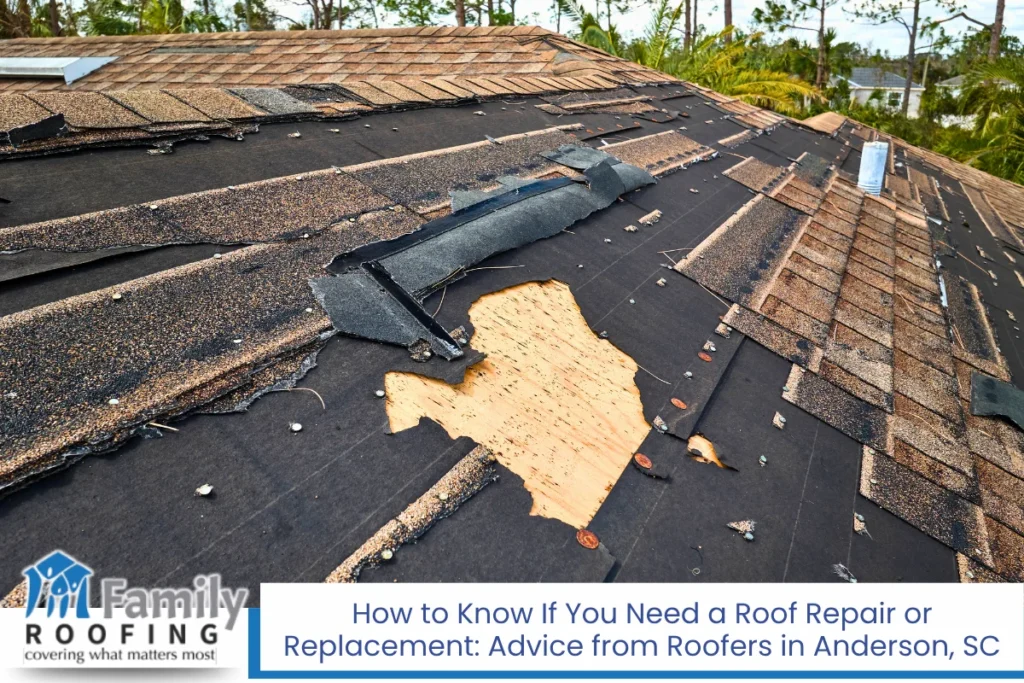
Storms can cause roof damage from wind and hail, making these two perils the most frequent triggers for claims across Upstate South Carolina. Anderson’s position inland does not shield it from severe thunderstorms, and occasional intense weather conditions can hit hard and fast.
Flood damage is generally excluded from standard homeowners policies, as is earth movement. If you live near a flood zone, you would need a separate policy. The critical distinction insurers draw is between sudden, accidental damage and gradual deterioration. Your policy is designed for unexpected events, not routine maintenance. TPO, PVC, and EPDM are common commercial roofing materials that may also appear in policies covering commercial roofing structures, but the same peril-based logic applies across property types.
Roof Damage Typically Covered by Homeowners Insurance
Many roof repairs are covered when the direct cause traces back to a peril named in the policy and the roof was in reasonably good condition before the loss occurred. Coverage for roof repairs depends on the cause of damage and roof condition at the time of the event.
Here are common scenarios where homeowners insurance may cover roof damage in Anderson:
- Hail strikes bruising or cracking asphalt shingles, even before a visible leak appears
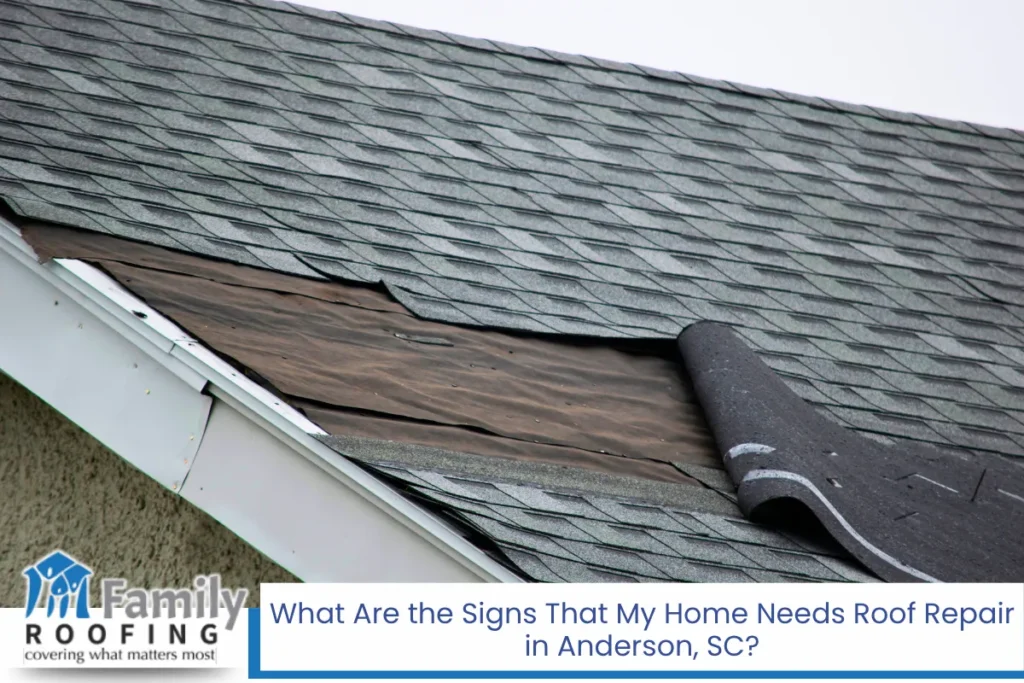
- Wind tearing off shingles, ridge caps, or flashing
- A tree limb puncturing the roof during a storm (roof damage from falling trees during storms is usually covered)
- Fire or lightning damaging decking, underlayment, or structural components
- Smoke damage reaching the roof system
Missing shingles can allow moisture to reach underlying components like decking and insulation, turning a minor problem into a major one. Homeowners insurance covers roof damage from wind, hail, or fire, and this extends to both partial roof repairs and full roof replacement depending on how widespread the damage is.
Coverage can also apply to related components. Damaged flashing, vents, gutters, and even interior water damage that results directly from a covered roof failure may be included in the claim. However, the insurer will only pay after the policy deductible is met, and only up to the coverage limit shown on your declarations page. Homeowners insurance typically requires a deductible before coverage applies, so understanding your deductible amount is essential before you file.
Roof Damage Usually Not Covered: Age, Wear, and Neglect
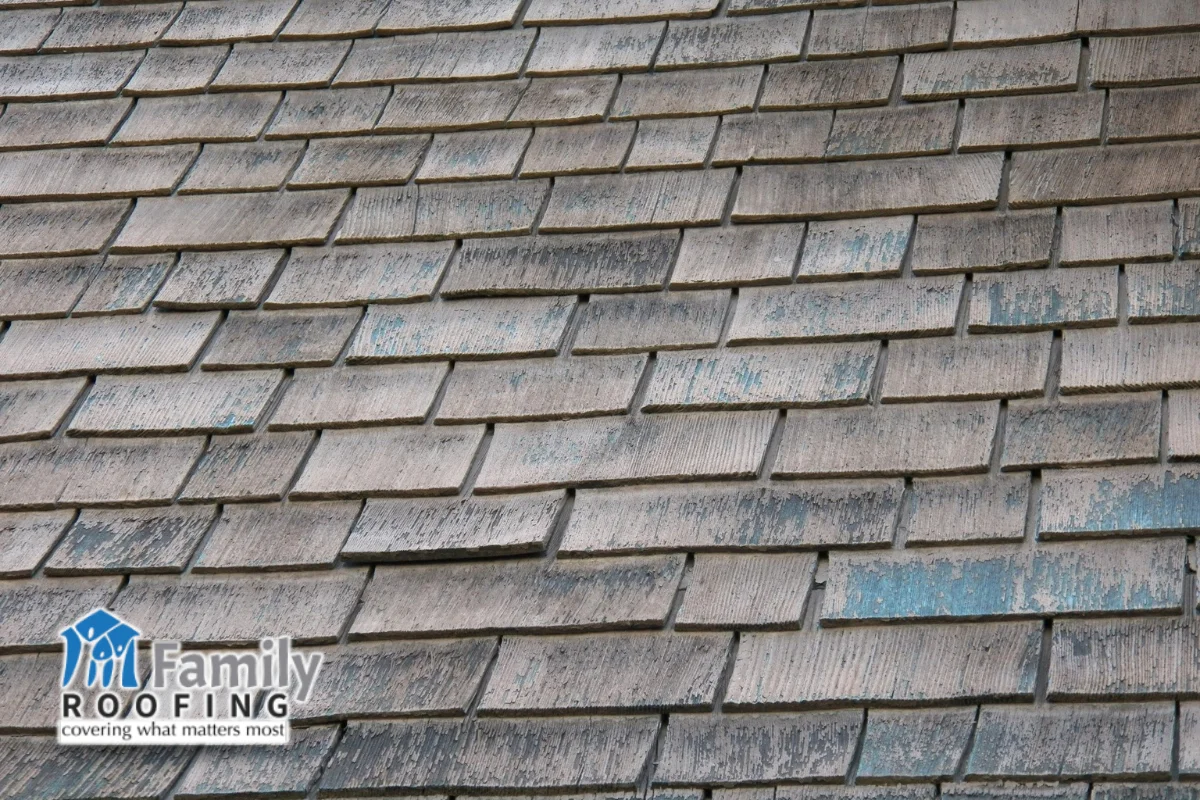
Insurance companies in Anderson generally will not pay for roof problems caused by long-term wear, improper installation, or a failure to maintain the system. Most homeowners insurance policies exclude damage from wear and tear, and this is where many claims fall apart.
Common exclusion examples include:
- Cracked and curling shingles on an old roof that has simply aged out
- Roof leaks often begin around flashing and seams that were never properly sealed or maintained
- Gradual granule loss over many years without a documented storm event
- Ponding water on a low-slope section due to design flaws
- Mold growth from long-term moisture intrusion that was not caused by a covered event
- Damage from a roof installed incorrectly or not up to code
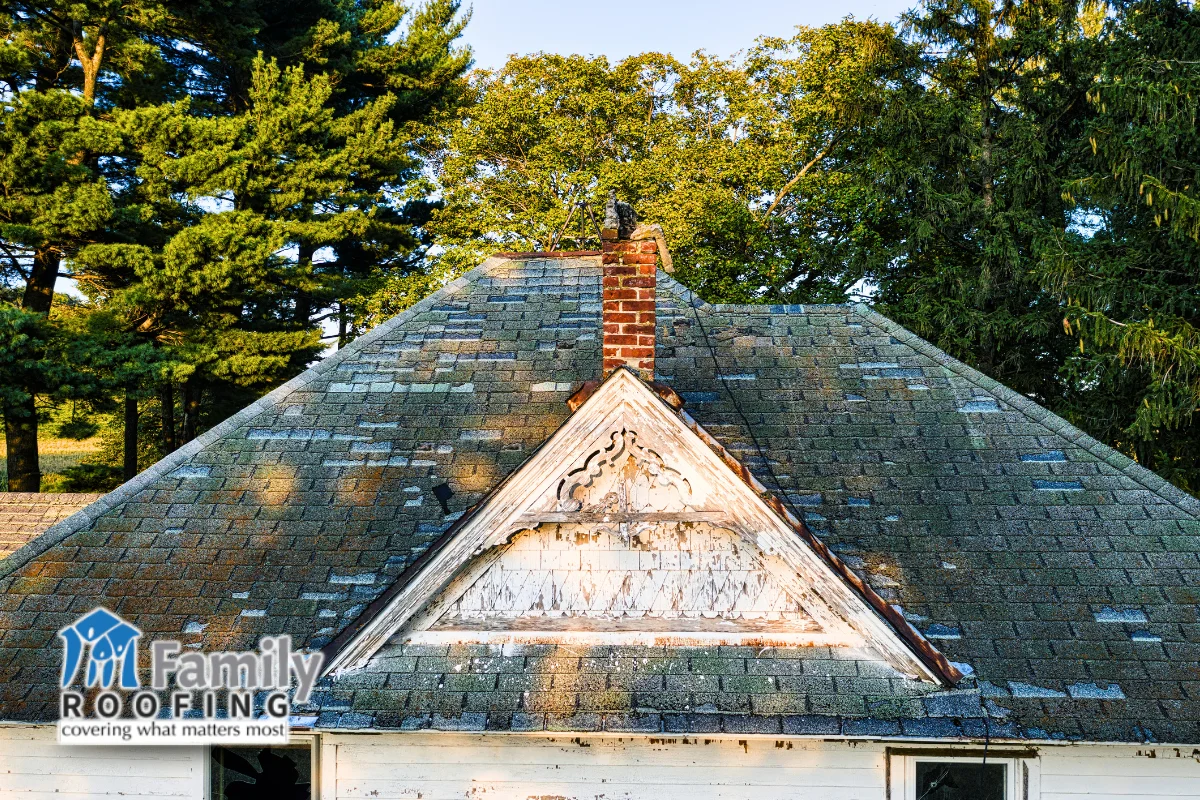
Aging materials can lead to roof deterioration over time, and insurers know this. Once a residential roof reaches fifteen to twenty years old, expect increased scrutiny. Many carriers will limit coverage, apply higher deductibles, or shift to an actual cash value payout structure for older systems. Asphalt shingles last twenty to thirty years in Anderson, SC, but that does not mean your insurer treats a twenty-year-old roof the same as a five-year-old one.
Insurance may not cover damage from aging roofs or lack of maintenance, which makes regular inspections and prompt small repairs critical. Keep records of every roofing service invoice, maintenance visit, and inspection report. If pre-existing damage is discovered during a claim inspection, the insurer can issue a partial denial, reduce the payout, or require you to contribute more toward the project cost.
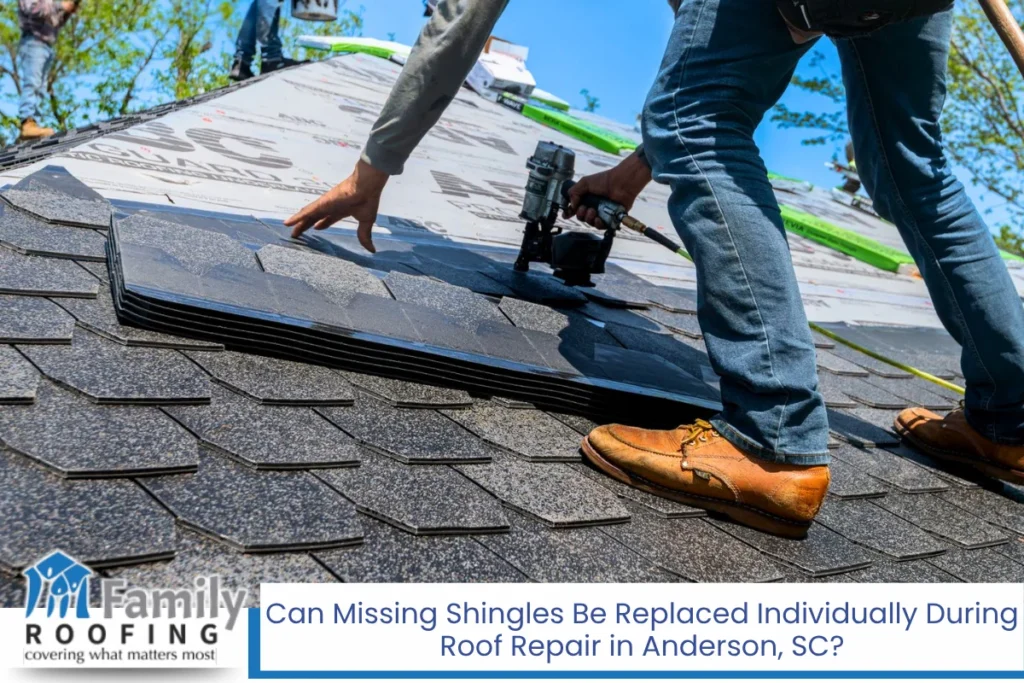
Read Can Missing Shingles Be Replaced Individually During Roof Repair in Anderson, SC?
Actual Cash Value vs. Replacement Cost: How Your Payout Is Calculated
Roof claims can be calculated based on actual cash value or replacement cost, and the difference between these two methods can mean thousands of dollars in your pocket or out of it.
Actual cash value (ACV) coverage means the insurance company subtracts depreciation based on the roof’s age and condition. The older and more worn the roof, the less you receive. For example, if your roof replacement would cost fifteen thousand dollars but the roof is ten years old with significant depreciation, the ACV payout might land around four thousand dollars after the insurer accounts for aging materials. Once you subtract your deductible, the check can feel surprisingly small.
Replacement cost value (RCV) coverage works differently. The insurer pays the full, reasonable cost to install a comparable new roof using similar materials and quality workmanship. Typically, the insurance provider releases funds in two stages:
- An initial check for the ACV amount
- A second check for the recoverable depreciation after the work is completed and verified
You usually have six to twelve months to finish the project and submit proof of completion to collect that second payment. The South Carolina Department of Insurance requires carriers to clearly disclose whether your policy uses ACV or RCV, how depreciation is applied, and any time limits for completing repairs.
Many Anderson policies may assign ACV to older roofs and RCV to newer ones. If your roof is relatively new, confirm that you carry replacement cost coverage. If you have an older system, ask your agent whether an endorsement can upgrade your coverage for an additional premium. Understanding this difference before a storm hits can shape your informed decisions about when to replace versus when to ride out a few more years.
Step-by-Step: Filing a Roof Insurance Claim in Anderson, SC
A clear process helps Anderson homeowners move from storm damage to completed roof repairs with fewer delays and disputes. Here is the sequence that tends to produce the best outcomes.
- Document visible damage safely from the ground. Take photos and videos with date stamps of damaged shingles, displaced flashing, debris on the property, and any water stains on interior ceilings. Anderson homeowners should document damage immediately following severe weather.
- Protect the home from further water intrusion. Place a tarp over exposed areas or catch water in buckets. Homeowners must mitigate further damage to be eligible for claims, and the cost of reasonable temporary protection is generally covered.
- Contact your insurance company promptly to report the loss. Prompt reporting of damages is crucial to prevent claims from being denied due to negligence. Many insurers send an adjuster within about forty-eight hours of a reported claim.
- Schedule a professional inspection with a licensed South Carolina residential roofing contractor. The contractor can identify damage, produce detailed photos, and prepare an independent scope of work and repair estimate based on local material and labor standards.
- Be present during the adjuster visit. The adjuster compares their findings with the contractor’s documentation, evaluates whether the damage matches a covered event, and generates a report that drives the coverage decision.
Insurance claims require detailed documentation of roof damage, so review the claim summary carefully. Understand each line item, the depreciation applied, and the total payout offered. If you disagree with the adjuster’s findings, request clarification in writing and consider asking for a re-inspection. Under S.C. Code § 15-3-530, South Carolina carries a three-year statute of limitations for breach of contract claims arising from insurance disputes, running from the date the loss occurred or was reasonably discovered.
Local Factors in Anderson That Influence Roof Coverage Decisions
Anderson sits in an area of Upstate South Carolina known for hot summers, frequent thunderstorms, and episodes of strong wind or hail. These weather conditions drive a significant number of roof-related insurance claims each year.
Heavy rainfall can weaken roofing components significantly, especially when storms arrive back-to-back without giving materials time to dry. Repeated minor hail events can weaken shingles over time, which is why scheduling free inspections after significant severe weather is so important. Even if no leak is visible, subtle bruising on a damaged roof can shorten its remaining lifespan and affect future claims.
Insurance policies in South Carolina often use percentage-based deductibles for wind damage. A home insured for three hundred thousand dollars with a two percent wind and hail deductible means the homeowner pays the first six thousand dollars of any wind or hail claim out of pocket. This is a much larger hit than a standard all-other-perils deductible, which is typically a fixed amount between one thousand and twenty-five hundred dollars.
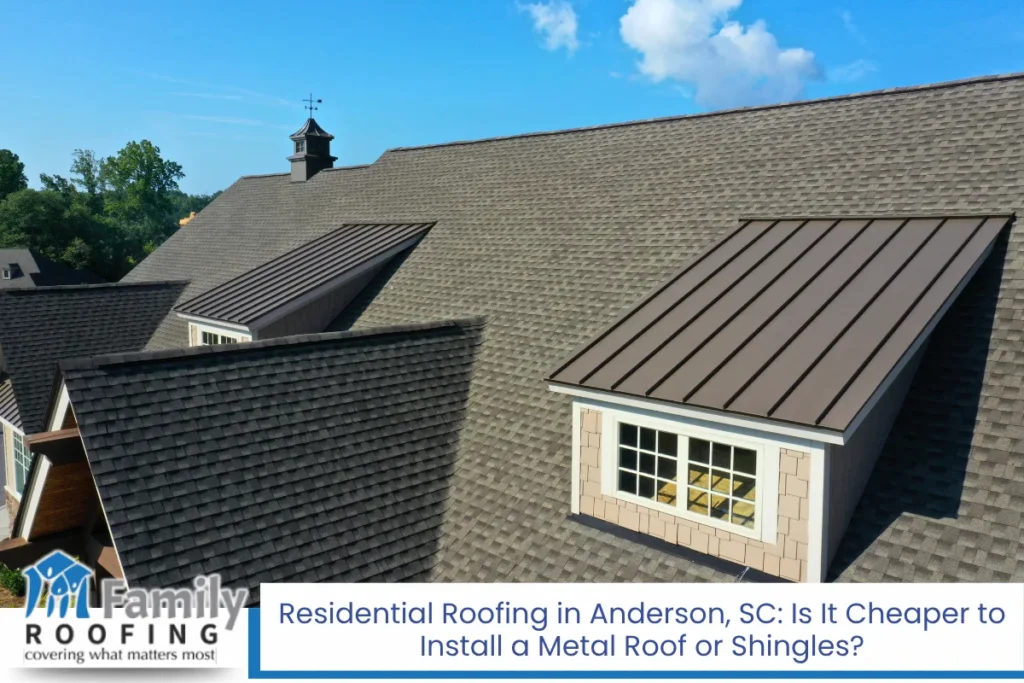
Architectural asphalt shingles are popular for cost-effective performance across the surrounding upstate area, and many homeowners choose them during a replacement. Metal roofing offers superior durability and energy efficiency and may qualify for premium discounts with certain insurers. Upgrading to impact-resistant shingles during an insurance-paid roof replacement can improve long-term protection and may lower your annual cost for coverage.
Proper permitting, code-compliant installation, and use of approved materials remain critical in Anderson for both new roof projects and insurance-funded replacements.
Choosing the Right Roofing Contractor to Work With Your Insurance Company

The contractor a homeowner selects can make the insurance claims process smoother and help ensure repairs meet local building standards. Not every roofer understands how to coordinate with an insurance provider, and the wrong choice can slow down or even jeopardize your claim.
Key traits to look for in an Anderson roofing contractor:
- Active South Carolina licensing under Title 40, Chapter 59 (required for residential roofing tied to insurance-funded projects)
- Proper liability and workers compensation insurance
- Local references and a track record of customer satisfaction
- Experience coordinating roof insurance claims and working alongside adjusters
- A fully licensed team familiar with current building codes
Avoid high-pressure roofers who knock on your door after a storm promising a free new roof or offering to cover your deductible. Under South Carolina law (S.C. Code § 38-43-10 & S.C. Code § 40-59-30), contractors are strictly prohibited from acting as or offering services as a public adjuster, negotiating insurance claims on behalf of homeowners, or absorbing/rebating policy deductibles. These practices are illegal and can put your claim at risk.
Having the roofer present when the adjuster inspects the roof is valuable. Subtle shingle bruising, lifted edges, and compromised decking are easy to overlook, and an experienced team on-site ensures all damage is clearly identified and discussed. Quality workmanship, manufacturer-approved installation practices, and detailed warranties matter just as much as the claim payout itself. Your roofing contractor should be a trusted partner through the entire process.
Roof Repair vs. Full Roof Replacement: How Insurers Decide
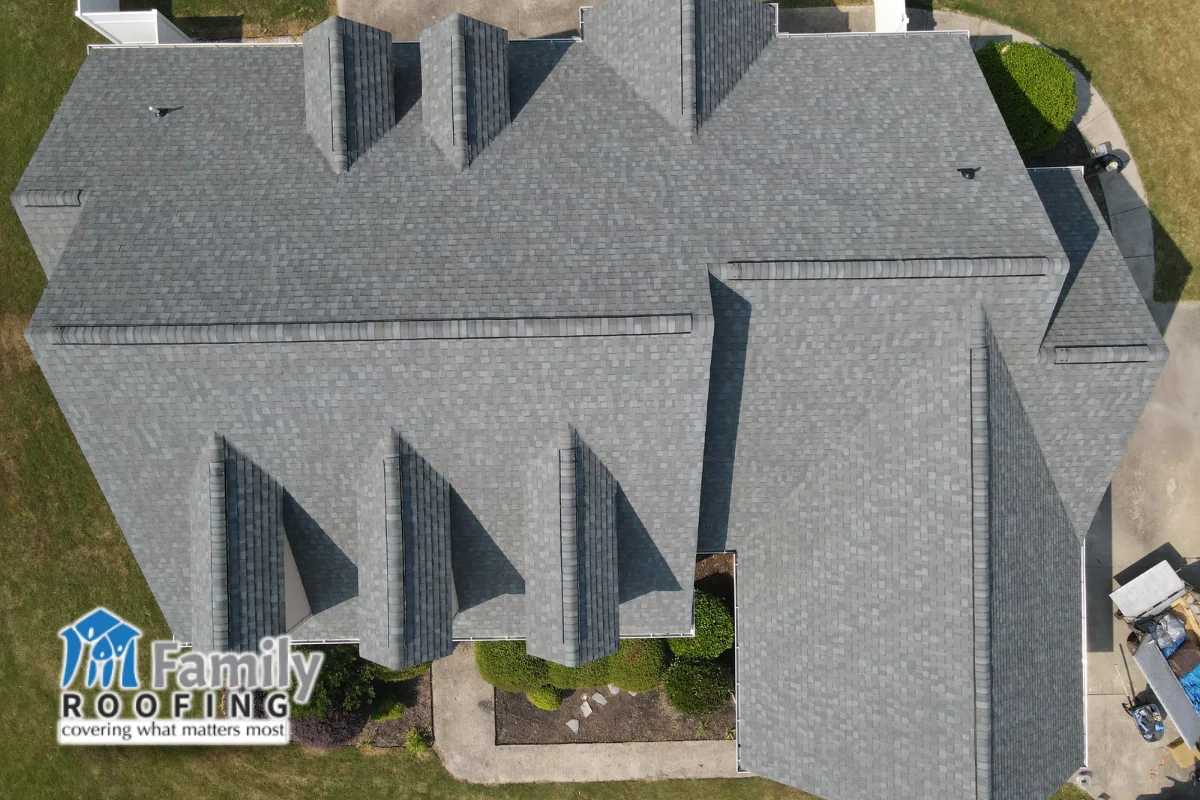
Insurers evaluate whether a damaged roof can be effectively repaired or whether a full replacement is the more appropriate, code-compliant solution. The decision comes down to the extent of damage and practical feasibility.
Common triggers that push toward full roof replacement include:
- Widespread hail bruising across multiple roof slopes
- Damaged shingles and missing shingles covering a large portion of the surface
- Compromised decking beneath the shingle layer
- Mismatched materials that would violate manufacturer guidelines or leave the roof looking patched
When only a small, isolated section of the roof is damaged, the insurance carrier may authorize limited repair as long as the repaired area will perform like the rest of the system. Metal roofs can last significantly longer than asphalt shingles, but even metal roofing systems face the same repair-versus-replace evaluation when a covered event causes damage.
Matching issues such as discontinued shingle colors or profiles can sometimes justify expanding the scope of work if local codes or policy language require a reasonably uniform appearance. However, a homeowner’s preference for a brand-new roof does not automatically override the insurer’s obligation to pay only for damage clearly tied to a covered event. The insurer will pay for what the policy covers, and a thorough inspection with solid documentation gives you the strongest ground to stand on if you believe the scope should be expanded.
Roof Repair in Anderson, SC – Call Family Roofing
At Family Roofing, we understand how stressful it can be to deal with a leaking roof and an insurance claim at the same time. We are located in Anderson, SC and proudly serve the surrounding upstate area with reliable roofing services built on honesty and skill. Our experienced team provides thorough roof inspections, detailed photo documentation, and clear estimates that help you navigate your homeowners insurance claim with confidence.
Whether you need emergency leak repairs, a full roof replacement after storm damage, or ongoing maintenance to keep your property protected, we work tirelessly to deliver results that give you peace of mind. If you suspect wind or hail damage, do not wait. Contact us today to schedule an inspection. Call Family Roofing at (864) 261-0841 or fill out our contact form so we can assess your roof and help you protect your home quickly.
Frequently Asked Questions
How Often Should I Schedule a Roof Inspection in Anderson for Insurance Purposes?
Most homeowners should arrange a professional inspection at least once a year and after any significant wind or hail storm that passes through Anderson. Regular inspection reports, photos, and invoices help prove that the roof has been properly maintained, which can support future insurance claims and reduce the chance of a denial based on neglect. Inspections can catch small issues like lifted shingles or minor flashing gaps before they grow into uncovered maintenance problems. Many reputable local roofers offer free inspections and written findings, giving homeowners both documentation and peace of mind. While inspections do not guarantee claim approval, they demonstrate a clear pattern of reasonable care.
Will Temporary Repairs I Make Myself Hurt My Roof Insurance Claim?
Insurers expect homeowners to take reasonable steps to prevent further damage, such as placing a tarp over an opening or catching water in a bucket, as long as it is done safely. Simple, temporary measures rarely threaten a valid claim, but more extensive work that alters the roof can complicate an adjuster’s damage assessment. Document the condition of the roof with photos before and after any temporary measures, and keep receipts for materials you purchase. Contact a professional roofer quickly for a proper assessment, as insurers may question repairs that do not meet local standards. Never put yourself at risk by climbing on steep or wet surfaces. Prioritize personal safety over temporary fixes.
How Do Solar Panels Affect Roof Insurance Coverage in Anderson?
When solar panels are installed, homeowners should notify their insurance carrier right away. The panels may require adjustments in coverage limits and documentation of the underlying roof condition. If a covered peril damages both the roof and the panels, the claim may involve multiple components, and the insurer will evaluate whether the system was properly installed and permitted. It is wise to have the roof inspected before solar installation to confirm it has enough remaining life, since insurers may not fund a separate replacement shortly afterward for normal wear. Keep installation contracts, warranties, and photos to simplify claim handling if a storm hits the equipment.
What If Roof Damage Is Discovered During a Home Sale in Anderson?
When roof problems are found during a buyer’s inspection, the seller and buyer often negotiate repairs, price adjustments, or credits at closing rather than immediately filing an insurance claim. If the damage can be linked to a recent covered event, the current owner may still be able to open a claim, but timing and documentation become critical. Sellers should consult both a roofing contractor and their insurance agent to understand whether a claim is appropriate or whether the issue is more likely age-related. Unresolved roof concerns can delay closings, as lenders typically require a sound, watertight roof on the property securing the mortgage. Address significant water damage before listing whenever possible.
Does Homeowners Insurance Help Pay for Code Upgrades During Roof Replacement?
Many policies include Ordinance or Law coverage, which helps pay for extra costs needed to bring a damaged roof up to current building codes within certain limits. This might apply if local code now requires additional underlayment, improved ventilation, or different fasteners than what existed on the original roof. This coverage usually only kicks in when a covered loss has already triggered a roof repair or replacement, not for voluntary upgrades on an undamaged roof. Review your declarations page or speak with your agent to understand the dollar cap on this coverage. A knowledgeable roofing contractor can help identify which items are code-required and should be included in the claim estimate.
Disclaimer
Disclaimer: This article provides general information about roof insurance in Anderson, SC and is not legal, insurance, or financial advice. Always review your specific homeowners insurance policy and consult licensed professionals before making coverage decisions.
Read How Much Does Residential Roof Repair in Anderson, SC Cost?